
RHR Blog
The Benefits Of The Native American Sweat Lodge In Recovery
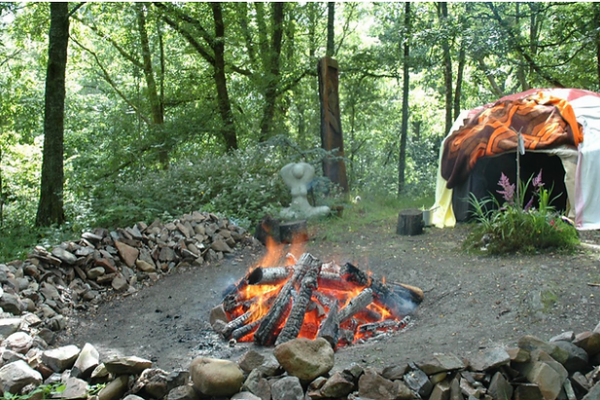
Respectful Participation, Not Appropriation
The sweat lodge belongs to specific Native nations, carried by specific elders and passed down through specific lines of teaching. It is not a wellness technique that can be lifted out of that context and repackaged for a general audience. A man who is invited into a lodge by people with the standing to lead one is taking part in something real. A program that builds its own version of the ceremony without that lineage, or that advertises a sweat lodge as a program feature, is doing something else entirely, even if the intention is good. The distinction matters because recovery already asks men to practice honesty. Treating a sacred ceremony as a borrowed technique starts that work off on the wrong foot. Respect here means acknowledging where a practice comes from, not claiming it.
Why Ceremony and Ritual Do Real Work in Recovery
Set that specific ceremony aside for a moment and look at what ritual does more broadly in recovery, because this is where the deeper point of the original article lives. Structured, repeated, meaningful action changes people. It is not the mysticism that does the work; it is the repetition, the shared attention, and the seriousness with which a group treats the moment. A man who has spent years numbing feeling with substances often has no practiced way to sit with discomfort, mark a transition, or ask for help out loud. Ritual gives him a container for that. This is part of why a program built around daily practice and a strong place for spirituality tends to outperform one that only offers information. Men do not recover because they learned a fact about addiction. They recover because they practiced something, with other men, on a schedule they could not talk themselves out of.
Chosen Discomfort Versus Suffering That Was Never a Choice
Most of the men who reach a program like this have already lived through more than enough suffering, the kind nobody chooses: withdrawal, legal trouble, relationships that came apart, mornings that started with dread. None of that was voluntary and none of it built anything. A ceremony that involves real physical discomfort, chosen freely, inside a container with clear limits and a way out, is a different experience entirely. The body learns something the mind cannot argue with: that discomfort can be entered on purpose, tolerated, and survived, and that surviving it does not require substances. That lesson is not unique to any one tradition. It shows up in honest physical work done on a schedule, in early mornings, in tasks nobody enjoys but everybody finishes anyway. The common thread is a discomfort that was chosen, not imposed.
Surrender, in the Twelve Step Sense
Step One asks a man to admit he is powerless over his addiction and that his life has become unmanageable. Step Three asks him to turn his will over to a power greater than himself. Both are a form of surrender, and surrender is uncomfortable for men who have spent years trying to control everything, including their own pain. A ceremony that asks the body to sit still inside heat and darkness, trusting the people around it, is one expression of that same posture: letting go of control on purpose, inside a structure that is bigger than any one person. Men do not need to sit in a lodge to learn this. They learn it by working the steps daily and by watching how surrender shows up in ordinary tasks, long after any single ceremony would have ended.
Heat, Health, and Real Medical Caution
Heat ceremonies are physically demanding, and that demand is part of the point, but it also means real medical judgment has to come first. Dehydration, heat exhaustion, and heart strain are genuine risks, and they rise sharply for anyone whose body is still recovering from substance use. A man in early recovery from alcohol withdrawal or coming off benzodiazepines can have an unstable heart rate, blood pressure, and hydration status for longer than people expect, and that is not the moment to add extreme heat on top of it. Any legitimate ceremony leader screens participants and will turn someone away rather than risk their safety. If anyone shows confusion, chest pain, fainting, or trouble breathing during or after a heat ceremony, that is a medical emergency: call 911. If what a man is carrying is less physical and more a crisis of hopelessness, call or text 988 to reach the Suicide and Crisis Lifeline. Ceremony is never a substitute for emergency care.
What Ranch House Recovery Actually Does
Ranch House Recovery does not run sweat lodges or any Native ceremony, and we are not going to pretend otherwise to sound more exotic than we are. What we do offer is the underlying thing that makes ceremony work in the first place: honest, physical work on real land, done on a schedule, alongside other men, inside a daily structure built around the Twelve Steps. Feeding animals before sunrise, mending fence, and finishing a hard job nobody wanted are their own form of ritual: repeated, embodied, and shared. If a man later chooses to seek out a ceremony led by people with the standing to lead it, that is his own path to walk, and one we would never claim credit for. Our part is the daily discipline that gets a man steady enough to walk any path at all. If you want to see what that structure looks like day to day, our admissions team can talk you through it.
Introduction
Substance use disorder recovery is a journey that requires a holistic approach to healing. It’s not just about quitting drugs or alcohol; it’s also about addressing the underlying emotional, psychological, and spiritual issues that led to substance abuse. The sweat lodge is one ancient practice that has recently gained popularity as a complementary therapy for substance use disorder.
The Sweat Lodge
A sweat lodge is a ceremonial structure used by indigenous cultures worldwide for thousands of years. It is typically made of natural materials such as stones, wood, and animal hides. The inside of the lodge is heated by rocks that have been heated in a fire outside. Participants sit in a circle inside the club and are led through a series of prayers, songs, and meditations. The heat and darkness of the sweat lodge can be intense, but many people find it to be a profoundly transformative experience.
Benefits of the Sweat Lodge for Substance Use Disorder Recovery
The sweat lodge can be a powerful tool for people in substance use disorder recovery. Here are some of the benefits:
- Physical Cleansing
Sweating is a natural way for the body to release toxins. The heat of the sweat lodge can help stimulate the lymphatic system, which removes waste and toxins from the body. This physical cleansing can benefit people in early recovery, as their bodies may still be recovering from the effects of substance abuse. - Emotional and Spiritual Healing
The sweat lodge can also be a powerful emotional and spiritual healing tool. The intense heat and darkness can create a safe space for people to explore their innermost thoughts and feelings. The prayers, songs, and meditations used in the sweat lodge can help people connect with their spirituality and find a sense of purpose and meaning in their lives. - Community and Connection
The sweat lodge is often used as a communal experience, with people coming together to support each other through the ceremony. This sense of community and connection can be crucial for recovering people who may feel isolated and alone in their struggles. The sweat lodge can provide a sense of belonging and a reminder that they are not alone in their journey.
Conclusion
The sweat lodge is just one tool in the toolkit for substance use disorder recovery, but it can be a powerful one. It offers physical, emotional, and spiritual healing and a sense of community and connection. If you are in recovery, consider exploring using a sweat lodge as part of your holistic healing journey.