Therapeutic Farming for Addiction Recovery
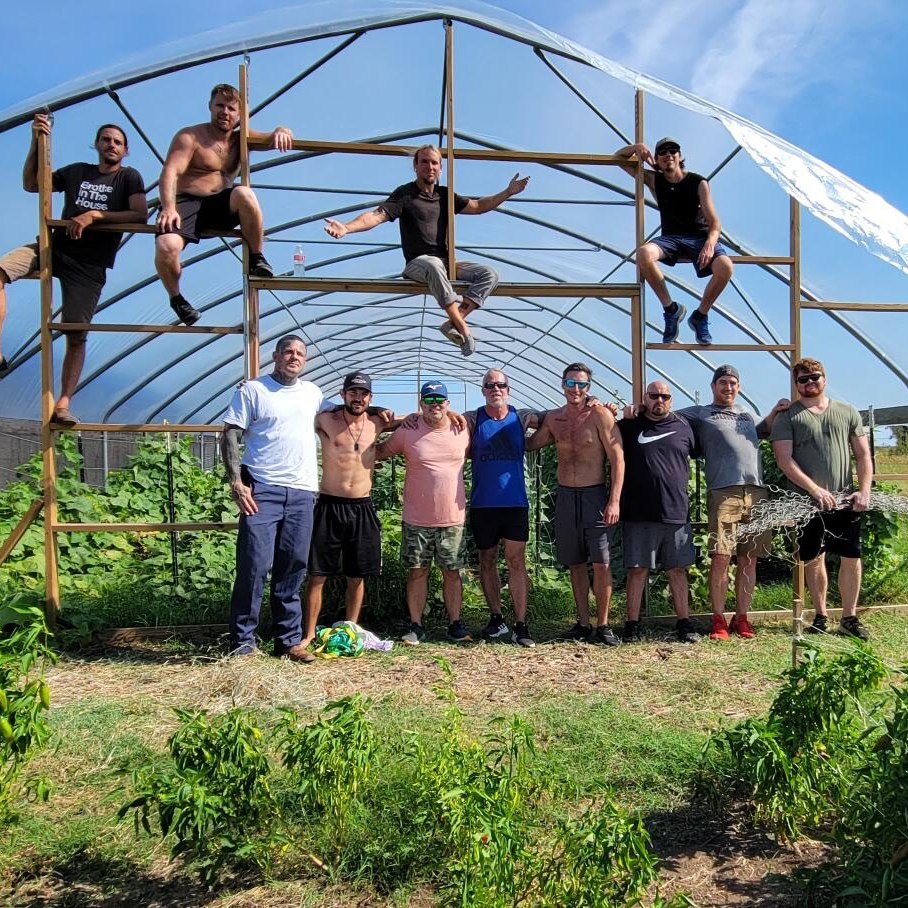
Therapeutic farming is the part of our model that visitors understand the moment they see it and skeptics doubt until they do. Men in treatment for addiction, out in the Texas morning, planting beds, hauling feed, pulling a harvest out of ground they prepared themselves weeks earlier. It looks like work because it is work. What makes it treatment is everything wrapped around it. At Ranch House Recovery, therapeutic farming is not an
At Ranch House Recovery, therapeutic farming is not an activity offered alongside our program. It is load-bearing inside it, one half of the approach we call Regenerative Recovery: the conviction that restoring living systems and restoring a man are the same daily practice, and that both happen on the same schedule, through tending, patience, and time.
What Therapeutic Farming Actually Involves
On our working recovery ranch in Elgin, about 30 minutes east of Austin, farming responsibilities are written into the weekly schedule the same way therapy sessions are, because that is what they are: programming. Men work assigned crews in the gardens and on the land, preparing beds, planting, watering, weeding, harvesting, and maintaining the systems that keep it all alive. Tasks are taught and supervised, scaled to ability, and rotated as men earn trust, so the newcomer learning to be reliable with a watering schedule in his first month may be leading a crew by his third.
The work changes with the seasons, which is part of its honesty. Spring planting, summer heat management, fall harvest, winter repair. No two months ask for the same man, and the land does not accept excuses, reschedule for bad moods, or care how persuasive anyone used to be. For men who have spent years negotiating with everyone around them, that immovability is the first honest relationship of their recovery.
Why It Works: The Short Version of the Science
None of this is mystical, and we are wary of programs that market it as if it were. The mechanisms are well within what addiction research already tells us. The National Institute on Drug Abuse holds that effective treatment attends to the whole person and builds the skills a life needs after discharge, not just abstinence during the stay. Research collections at the National Institutes of Health associate structured routines, regular physical activity, time outdoors, and purposeful work with improved mood, reduced stress and craving, and stronger treatment engagement.
Therapeutic farming delivers all four at once, daily, without feeling like a prescription. Physical work rebuilds the body that addiction ran down and earns the kind of tired that lets men sleep again. Sunlight and outdoor hours do quiet, well-documented work on mood. The routine gives shapeless days a spine. And the purpose, food that people will actually eat, systems that genuinely depend on him, generates something no therapy session can assign: evidence. A man watches something grow because he tended it, and that evidence argues with his shame more effectively than any counselor could.
From the Garden to the Group Room
What separates therapeutic farming from gardening is the loop back into clinical work. The land generates exactly the material therapy needs: frustration when the crop fails, conflict when a crewmate slacks, pride at the first harvest, grief when something dies. None of it stays outside. Our counselors and ranch staff talk to each other, and what happens in the beds gets processed in group and individual sessions as daily programming intends. The man who lost his temper over a watering rotation is not in trouble; he has brought Tuesday’s group its agenda.
This is also where the farming and the brotherhood reinforce each other. Men who go silent in a circle of chairs talk shoulder to shoulder over a row of vegetables. Some of the most important conversations in this program have happened holding a hose.
Farming, Animals, and the Wider Model
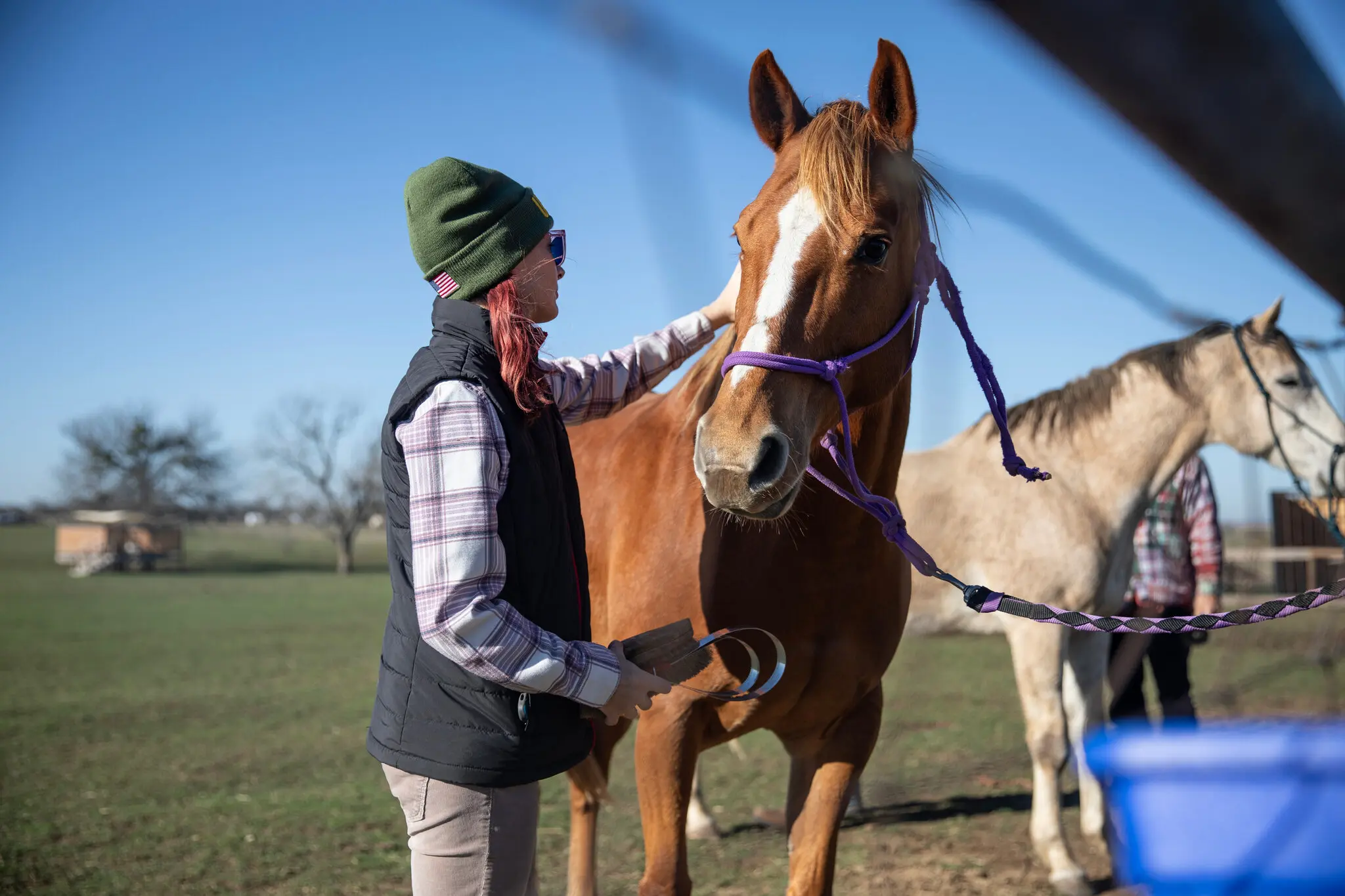
The gardens are one strand of a larger fabric. Our property runs as a working wellness farm, where cultivation sits alongside animal care, land stewardship, 12-step work, and licensed clinical treatment in one integrated model. The same principles run through all of it: responsibility for living things, repetition that becomes character, and a community organized around shared work rather than shared history of using.
We share our land with Simple Promise Farms, a nonprofit dedicated to healing through agriculture, which keeps the farming honest in the most literal sense: this is a real operation with real output, not a photo backdrop with raised beds.
Who It Helps Most
Therapeutic farming tends to reach the men other formats missed: the ones who have done talk-heavy treatment more than once and can recite the curriculum without believing it, the ones who shut down in traditional groups, and the ones whose lives lost all structure years ago. No farming or gardening experience is needed, and the men who arrive most skeptical are reliably the ones most changed by it. What it requires is a body able to participate in physical days and a willingness that, in our experience, usually shows up a few weeks after the man does.
Success Stories
Transforming My Life at Ranch House Recovery
Finding My Path to Success at The Ranch
A Journey of Transformation at Ranch House
Join Us
Therapeutic farming is a holistic approach to addiction recovery that offers a wide range of physical, emotional, psychological, and social benefits.
At Ranch House Recovery, we are committed to providing a nurturing environment where individuals can heal and grow through the power of nature and community.
If you or a loved one is struggling with addiction, consider the transformative potential of therapeutic farming as part of your recovery journey.
Frequently Asked Questions
Is therapeutic farming a replacement for clinical treatment?
No, and any program suggesting otherwise should worry you. At Ranch House, farming runs alongside licensed clinical care, individual and group therapy, treatment planning, and 12-step work, as one integrated program. The land is the delivery mechanism; the treatment is the whole system.
Do clients have to participate?
Farm responsibilities are part of the schedule the same way group sessions are, scaled to each man’s ability and health. Resistance is normal, especially early, and it is treated as clinical material rather than a rule violation. The goat still gets fed; the conversation about why he did not want to feed it happens in group.
Is there research behind farming in addiction treatment?
The component mechanisms, routine, physical activity, nature exposure, purposeful work, are each well supported in the research literature, and care-farming models have a growing evidence base internationally. We are honest that the field is still maturing, which is why the farming here is integrated with, never substituted for, evidence-based clinical care.