I.
Farming
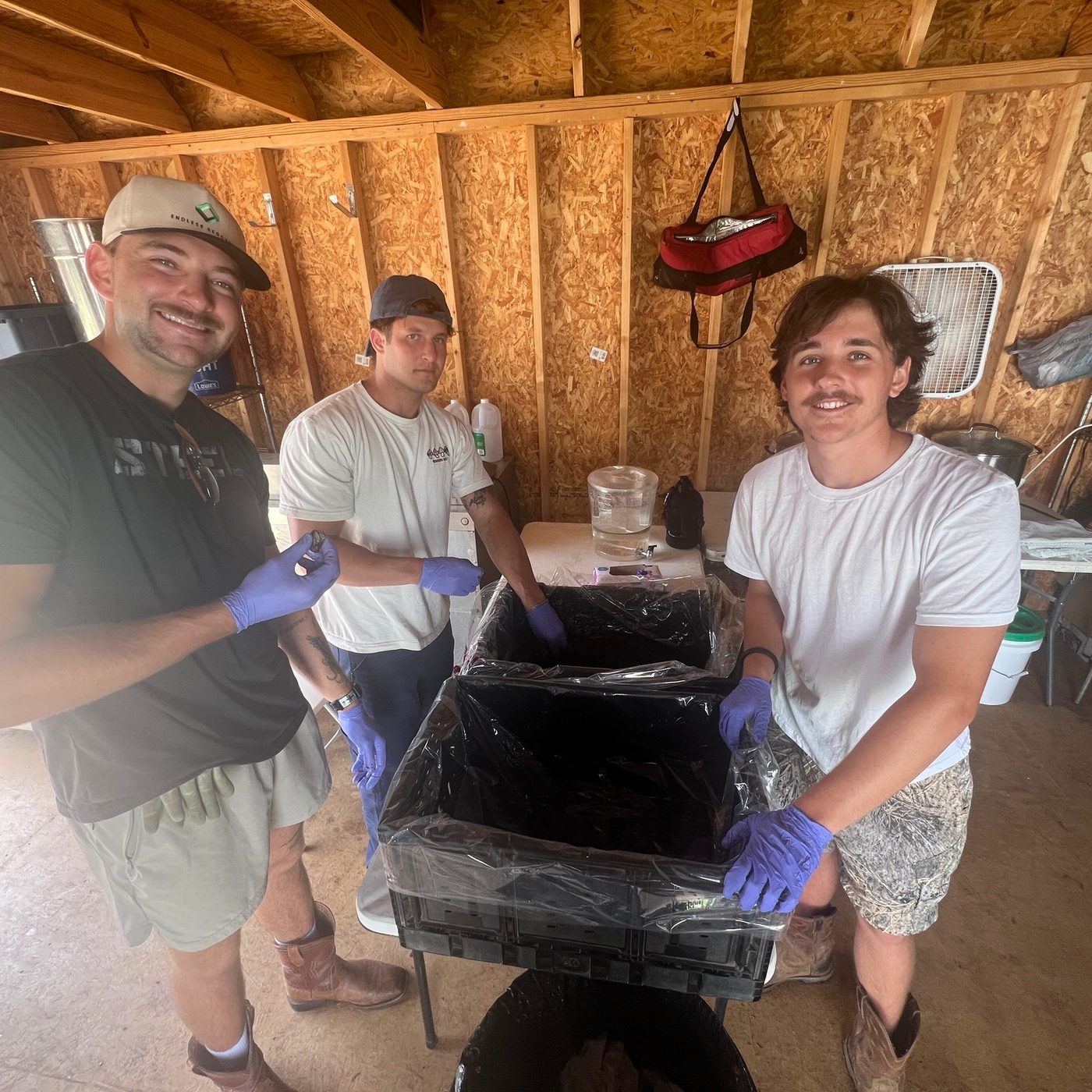
Planting, weeding, harvesting. Growing food ties effort to a visible result and pulls a man back into the natural cycle of seasons and days. It is patient work, and patience is a muscle addiction lets waste away.
The wellness farm model of recovery weaves growing food, tending animals, and the rhythm of the land into the healing work itself. Daily routine and honest labor as medicine, not decoration.
A wellness farm is a recovery setting where growing food, tending animals, and living by the rhythm of the land are woven into the healing work itself.
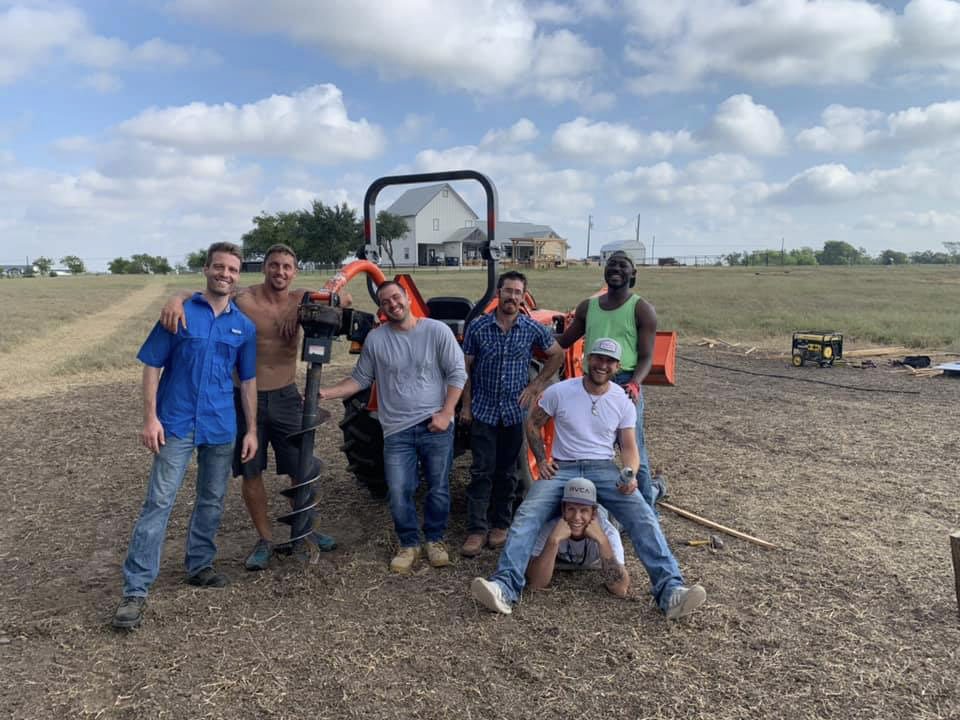
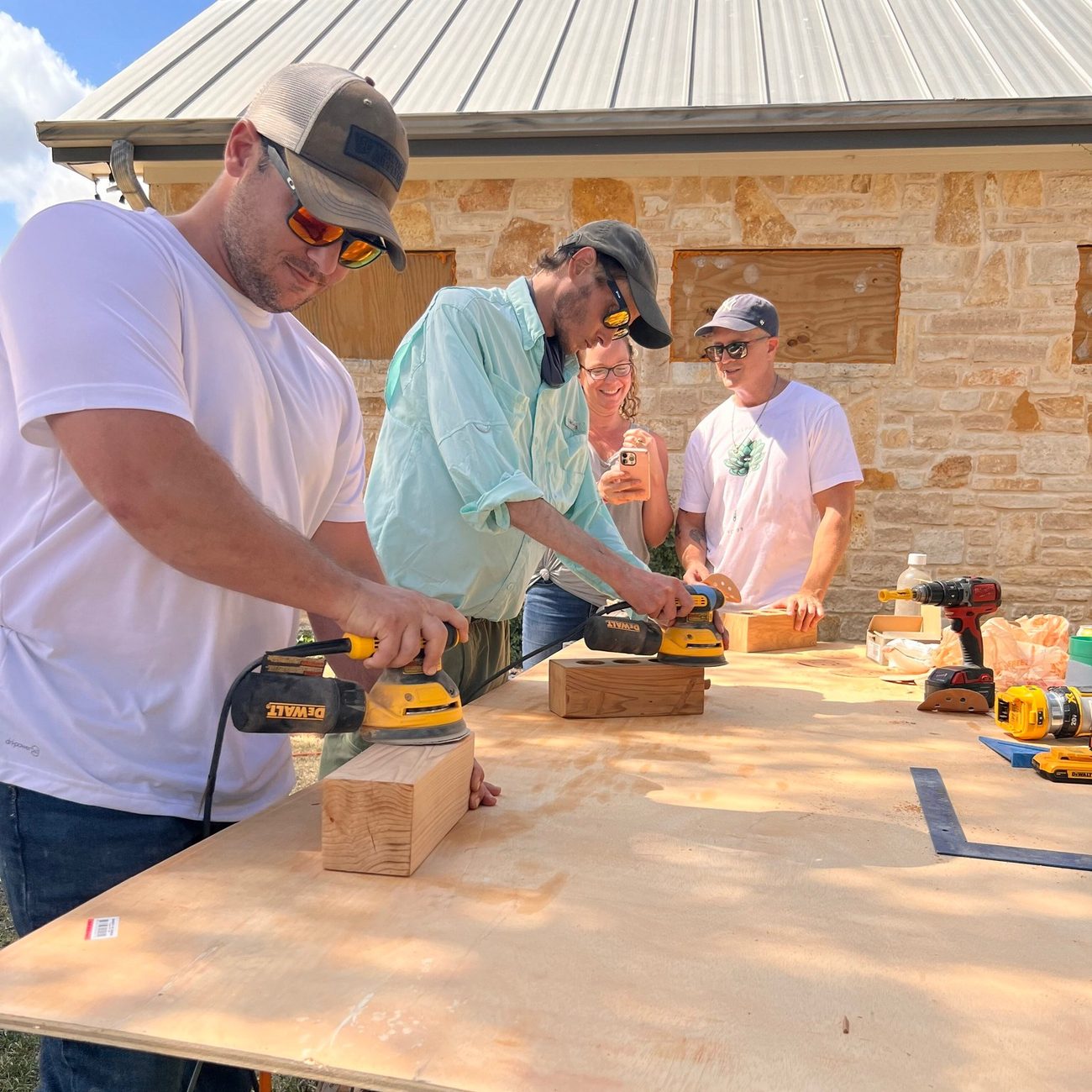
Men care for animals, work the garden, prepare shared meals, and keep a property running, all while doing the deeper work of recovery. The farm supplies structure, purpose, and a steady stream of small wins that rebuild a person day by day. For men worn down by addiction, that combination can do what a clinic-only setting often cannot.
It is worth being clear about what a wellness farm is not. It is not a medical detox and it is not a hospital. When someone needs to withdraw safely under medical care, that happens first and elsewhere. The wellness farm is the longer rebuild that follows, when the work is learning to live sober, one good day stacked on the next.
Planting, weeding, harvesting. Growing food ties effort to a visible result and pulls a man back into the natural cycle of seasons and days. It is patient work, and patience is a muscle addiction lets waste away.
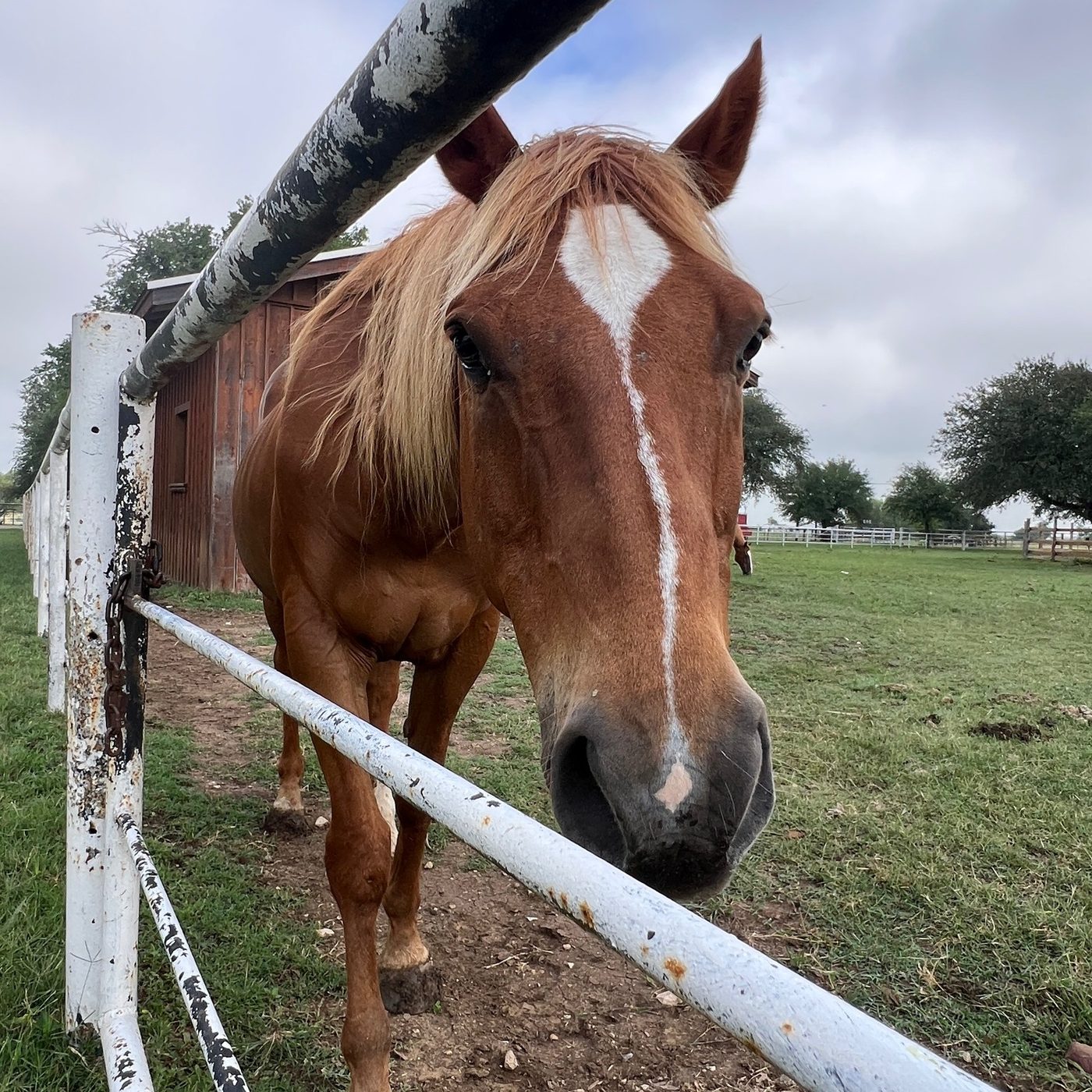
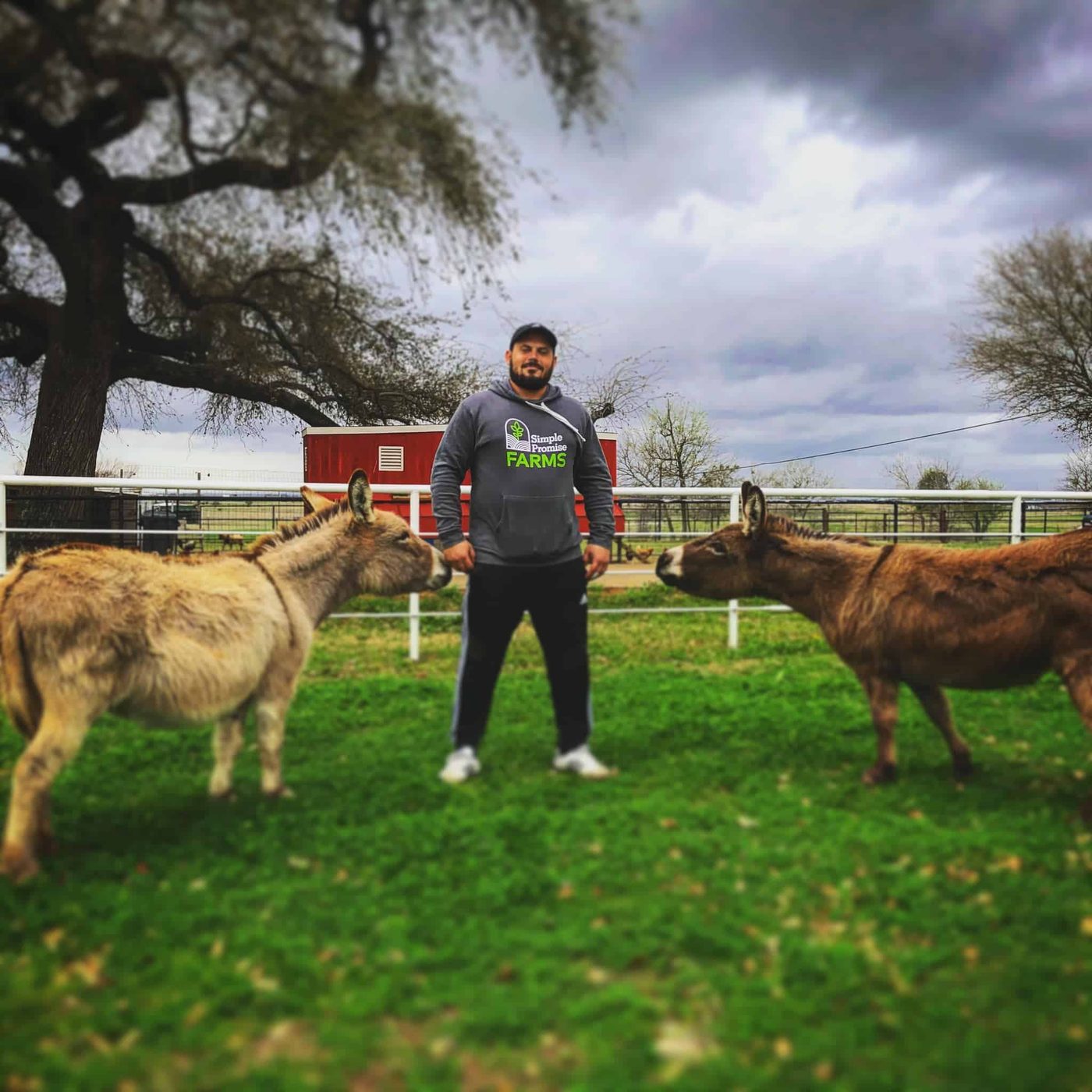
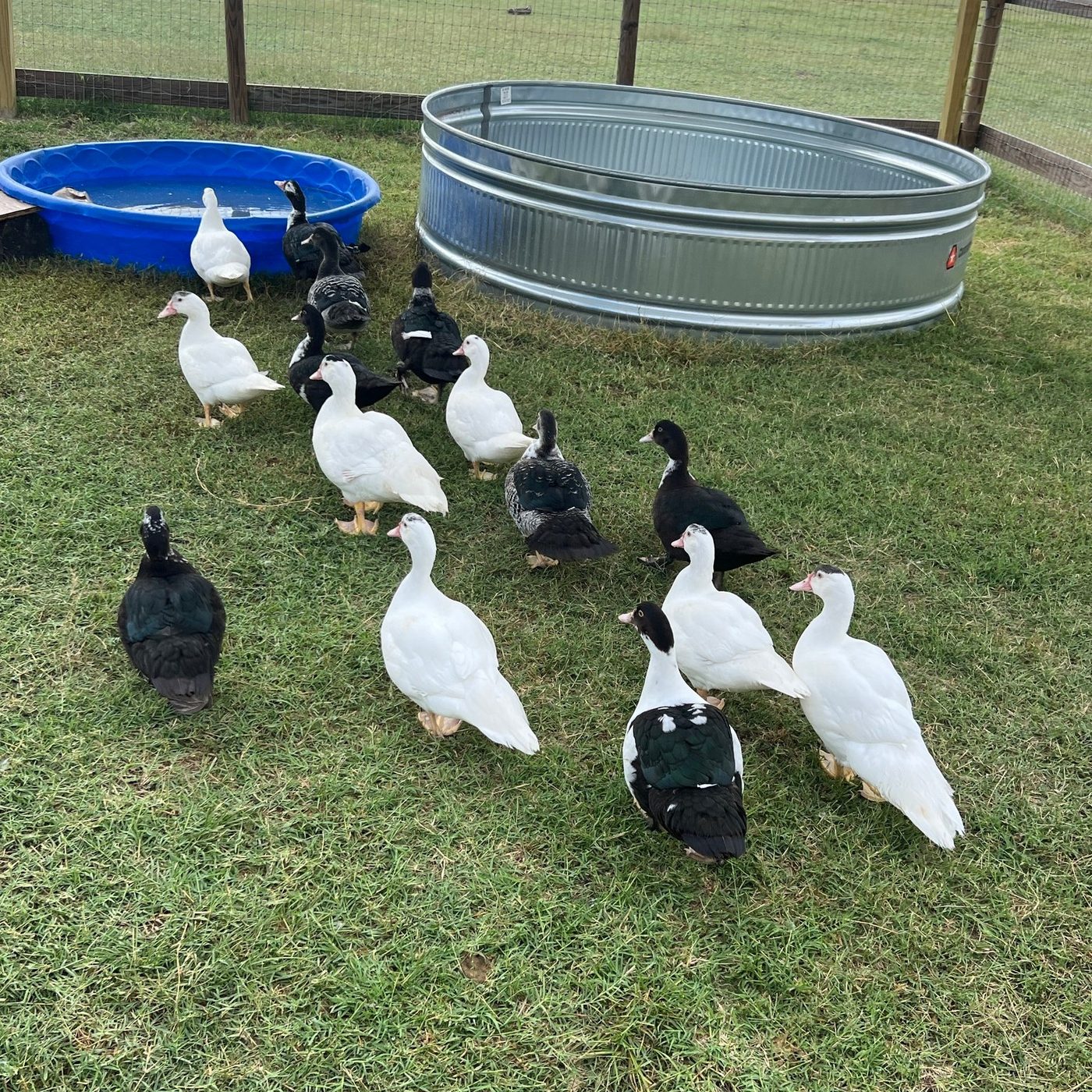
Livestock and other animals need care that cannot be faked or postponed. Showing up for a creature that depends on you rebuilds responsibility and offers a kind of steady, wordless companionship many men have missed for years.
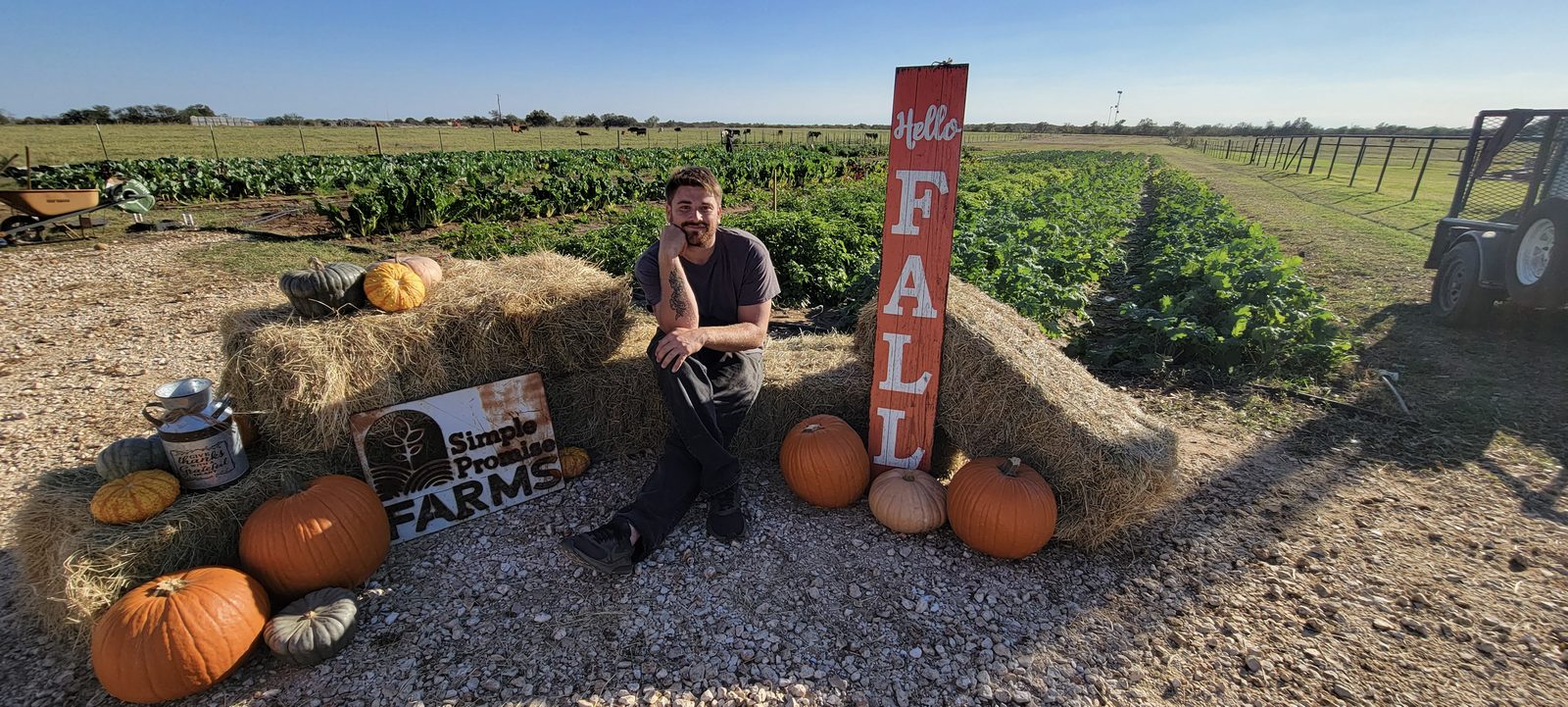
A farm runs on rhythm. Early mornings, regular meals, real work, and honest tiredness at night reset a body and mind that addiction threw off balance.
The thinking behind the model is broken down piece by piece in our recovery library.
Recovery is not only about stopping a substance. It is about building a life worth staying sober for, and a farm gives that life something concrete to grow around.
None of this is magic, and none of it replaces sound recovery support. It simply gives that support fertile ground to take root in. The reasoning we build our program on is laid out plainly on our philosophy page.
At Ranch House Recovery the wellness farm is not a weekly activity bolted onto a standard program. Men live and work on the ranch, share the labor and the meals, and move through recovery together over the long term. The animals, the garden, and the daily chores are woven into counseling, recovery meetings, and the ordinary work of learning to live differently.
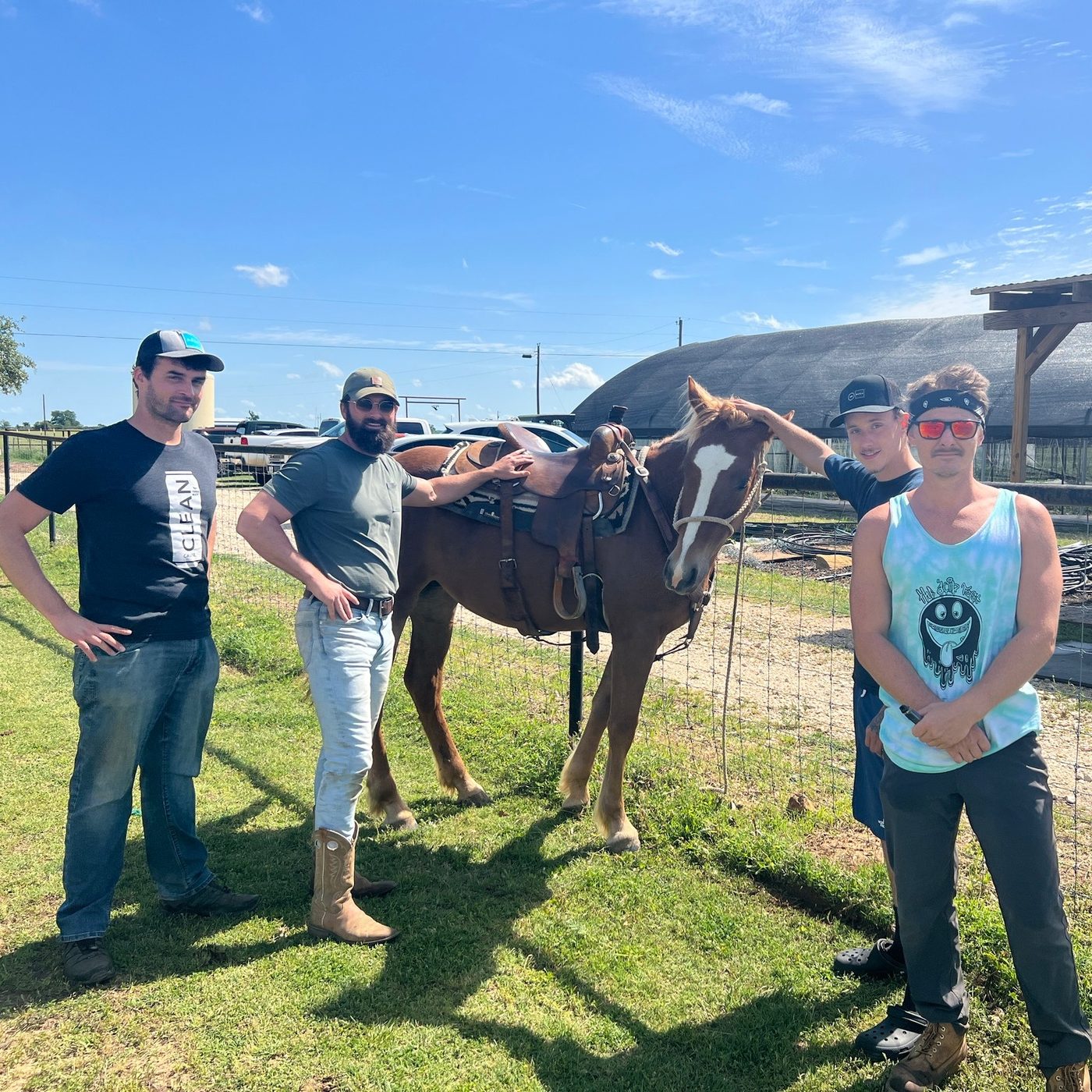
Because the model asks for real time, this is a long-term program rather than a quick stay. That is by design. The habits a wellness farm builds, showing up, following through, caring for something outside yourself, need months of practice before they hold on their own. You can see how the days are structured on our program page.
It is a poorer fit for someone who needs acute medical care or active detox first. If you are unsure, the honest thing is to ask, and we are happy to help you figure out the right starting point even if it is not us.
A wellness farm is a recovery setting where farming, animal care, and daily routine are part of the healing work. It uses purpose, community, and honest labor to help men rebuild a sober life.
No. A wellness farm is not a detox or a hospital. If medical detox is needed, it happens first and elsewhere. The wellness farm is the longer rebuild that comes after.
Ranch House Recovery is a long-term program because the habits a wellness farm builds take months to hold. Call (512) 525-8175 to talk through what a timeline could look like.
Reach out and we will talk honestly about whether it fits your situation.