30, 60, or 90 Days: How Long Does Recovery Actually Take, and Why It Matters

One of the first questions families ask when considering residential treatment is: how long does this take? It is a practical question with real logistical implications, work, finances, family responsibilities, and the simple disruption of a life put on hold. But it is also a question that reveals a deeper assumption: that recovery has a defined endpoint, after which a man is ‘fixed’ and can return to normal life.
Ranch House Recovery offers 30-, 60-, and 90-day residential programs. Each of these is a genuine option, and the right choice varies depending on the individual. But understanding why longer time in treatment produces better outcomes and what actually happens in each phase helps families and men in recovery make a more informed decision about their investment in this process.
What the Research Shows About Treatment Duration
The research on treatment duration is consistent and compelling. Studies from the National Institute on Drug Abuse and other major research bodies have found that treatment episodes of less than 90 days produce significantly lower rates of lasting recovery than longer stays. The brain, after prolonged substance use, requires time to heal to restore normal dopamine function, to rebuild the neural pathways associated with impulse control and decision-making, and to establish new habits of thought and behavior that are stable enough to persist in the real world.
The standard 28- to 30-day program became the norm in the United States largely for insurance billing reasons, not clinical ones. It represents the minimum time required for acute stabilization getting someone through the worst of early withdrawal, introducing the concepts of recovery, and establishing a safety net. For some people with less severe addiction histories and strong support structures, it is enough. For many others, it is not. The relapse rates following 30-day programs, while not higher than untreated addiction, remain significant not because the programs failed, but because 30 days is often simply not long enough for real transformation.
What Happens in Each Phase
The first 30 days: Stabilization
The first month of residential treatment is dominated by the physical and neurological process of recovery. The brain is healing from the effects of prolonged substance use. Sleep is often disrupted. Emotions that were numbed by substances begin to surface, sometimes with unexpected intensity. Cravings are typically at their strongest in the early weeks.
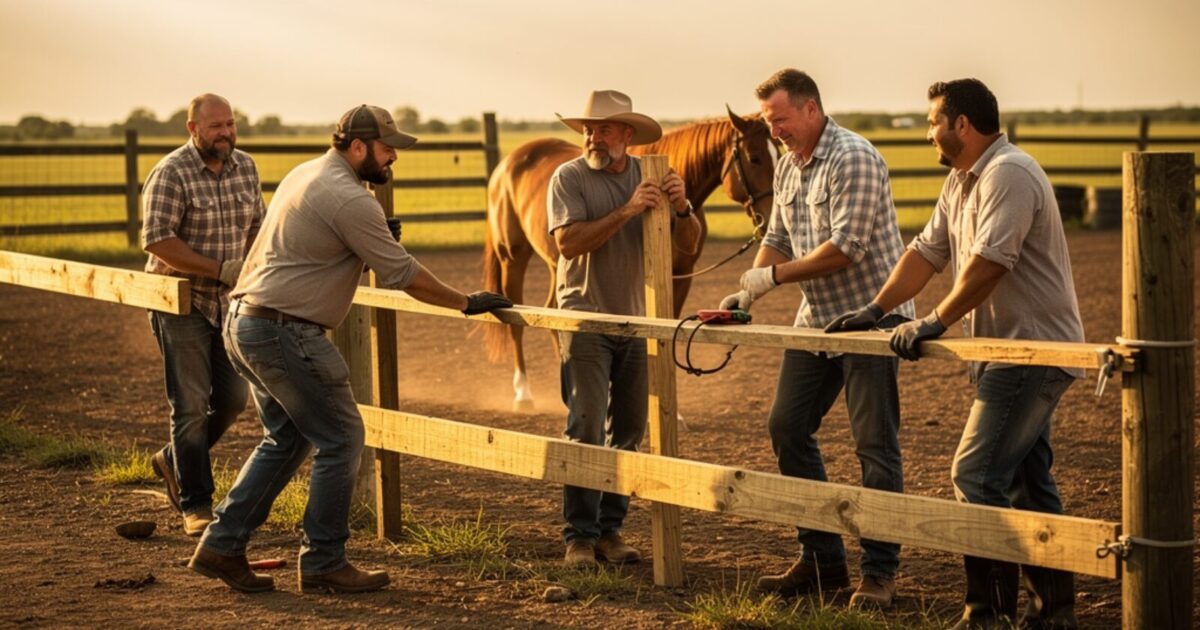
In this phase, the primary work is stabilization getting through the acute discomfort of early recovery, establishing the basics of a daily routine, beginning to engage with therapy and the Twelve Steps, and starting to understand what drove the addiction in the first place. At Ranch House, the farm and animal care work play a particularly important role in this phase: they provide structure, purpose, and grounding when internal states are most chaotic.
A man who completes 30 days at Ranch House leaves with a foundation. He has been through acute stabilization, has begun the Twelve Step work, has experienced the community and the farm, and has a clearer sense of what recovery requires. For some men, this is enough to return home with a strong aftercare plan. For others, it is just the beginning.
Days 30 to 60: Engagement and Insight
The second month of treatment is often where the real work begins. The acute neurological storm of early recovery has settled. Sleep is typically improving. Emotions, while still raw, are becoming more manageable. The brain’s prefrontal cortex, the region responsible for planning, impulse control, and perspective, is beginning to heal enough to engage in more sustained reflection.
This is the phase in which men typically make progress on the deeper work: understanding the patterns of thought and behavior that drove their addiction, working through the Twelve Steps with more depth and honesty, and beginning to process difficult experiences from the past. The relationships within the Ranch House community deepen. Men who were strangers at day one are now brothers.
The 60-day mark is also when the impulse to leave often peaks. A man feels well enough to believe he has it handled. The acute misery of early recovery is behind him. Life back home starts to look appealing again. This is one of the most dangerous moments in recovery, not because the man has failed, but because the neurological and psychological healing is still incomplete. Leaving at this point, before the new patterns of thought and behavior have become stable, significantly increases relapse risk.
Days 60 to 90: Integration and Identity
The third month is where transformation consolidates into identity. A man who has been doing this work for two months begins to experience himself differently, not just as someone who used substances, but as someone who farms, serves, meditates, has brothers, and tells the truth. The new self begins to feel like a self.
This identity consolidation is crucial. Recovery requires not just the cessation of substance use but the construction of a life in which substance use is no longer attractive, a life with enough purpose, connection, and meaning that the escape substances offer is not as appealing. At 90 days, most men at Ranch House have that life. They know who they are becoming. They have relationships that matter to them. They have a daily practice of the Twelve Steps, the farm, and the spiritual practices that ground them.
Research consistently shows that 90-day treatment completers have significantly better long-term outcomes than 30-day completers. The additional time is not excessiv it is the difference between a seedling with shallow roots and one that has had time to grow deep.
The Founder’s Perspective
Brandon Guinn, Ranch House’s founder, has spoken directly about why he built a program that offers 60 and 90-day options. After watching his son cycle through multiple 30-day programs without lasting results, he concluded that the standard model was simply not giving men enough time to change. ‘We kept sending him to 30-day programs, and he’d come back worse,’ Guinn told KXAN. ‘So I started asking myself, what if we just created something different?’
That something different is a program designed not for the minimum time required to stabilise someone, but for the time actually required to transform them.
Making the Decision
The right length of stay at Ranch House depends on several factors: the severity and duration of the addiction, the presence of co-occurring mental health challenges, the strength of the support system at home, and the individual’s readiness to do the deep work. Our admissions team discusses these factors carefully with every prospective resident and family.
If finances are a concern for many families, they are it is worth understanding that the cost of a longer stay in residential treatment is typically far less than the ongoing cost of active addiction: lost employment, legal consequences, healthcare, and the emotional and relational toll that is hardest to quantify.
Ready to Start?
Whether you are considering 30, 60, or 90 days, the most important step is the first one. Ranch House Recovery is here to help you figure out what is right for your situation. Call us at (512) 525-8175 or to speak with our admissions team.