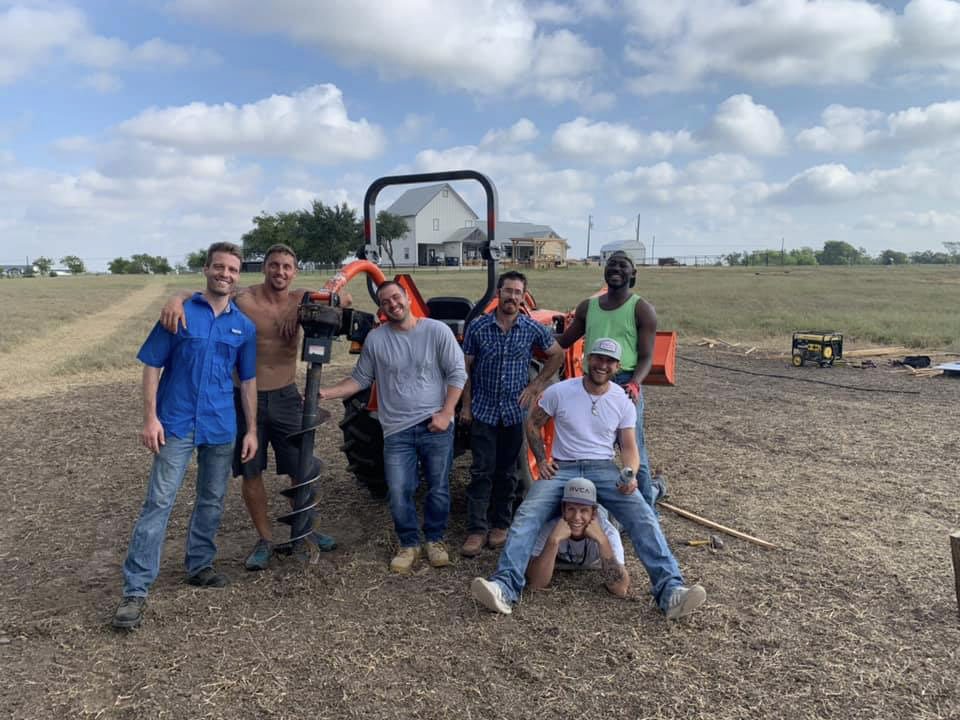
A residential drug and alcohol rehab center is a place where men live on site while they recover, with structure, support, and distance from the pressures that fed their addiction. That is the point: recovery gets room to take hold in a way that visiting an office a few times a week rarely can.
Residential means you live at the rehab center throughout your program. You sleep here, eat here, and work through recovery here, surrounded by staff and other men on the same path. That around-the-clock setting is what separates residential rehab from outpatient care, where a person lives at home and comes in for sessions.
For many men, living at home during early recovery keeps them tangled in the same triggers, relationships, and routines that fed the drug or alcohol use in the first place. A residential center removes those daily cues during the months the brain is most vulnerable, and replaces them with structure and steady support.
02 · Living here
Full days, by design.
Predictable, purposeful days replace the chaos of active addiction and give a recovering man something solid to stand on. Our program page lays out how those days are shaped.
06:00
Up with the sun
Animals fed, coffee on, the property walked. The day starts before the doubts do.
08:30
Group + counseling
The clinical work: honest rooms, licensed care, twelve-step practice.
12:00
Shared table
Meals cooked and eaten together. Community is not an amenity here; it is the method.
14:00
Work that matters
Garden, animals, fences, shop. Real responsibility rebuilding real confidence.
19:00
Meetings + rest
Recovery meetings, calls home, and the kind of tiredness that lets a man sleep.
03 · Where residential sits
One level on a wider spectrum.
Before
Medical detox
If the body needs to withdraw safely from drugs or alcohol, that comes first, under medical supervision. A residential rehab center like ours is not a detox and not a hospital.
This is us
Residential rehab
After any needed detox, this is the live-in stage where the deeper work happens: new routines, recovery skills, and community.
After
Outpatient & aftercare
Later, many men step down to outpatient support while living at home, staying connected to recovery as they rebuild.
Trying to sort out which level fits? Our guide to choosing and navigating care walks through the questions worth asking.
04 · What it offers
More than keeping a man away from substances.
At its best, a men's residential rehab center rebuilds the parts of life addiction wore down.
Structure
Full, predictable days replace the chaos of active addiction and give a recovering man something solid to stand on.
Community
Living alongside other men in recovery breaks the isolation and builds a brotherhood that lasts beyond the program.
Recovery work
Counseling, recovery meetings, and honest daily effort give men the tools to stay sober once they leave.
Time
A real change of course takes longer than a quick stay, which is why length of stay matters so much.
05 · Built for the long haul
Months of practice, not a single reset.
Many rehab centers run in 30-day blocks. For plenty of men, that is not long enough for new habits to hold. Ranch House Recovery is a long-term residential program because lasting recovery is built through months of practice. The extra time lets men move past the early fog, settle into a routine, and carry real change home with them.
Our program also puts men on a working ranch, where daily work and animal care become part of how recovery takes root. It is a specific model, and it is not right for everyone. When you call, we will tell you honestly whether it fits, or help you find what does.
Common questions
What is a residential drug and alcohol rehab center?
It is a program where men live on site while they recover, with 24-hour structure and support. Living where you heal helps recovery take hold in a way outpatient care often cannot.
Is a residential rehab center the same as detox?
No. A residential rehab center is not a detox and not a hospital. If medical detox is needed, it happens first and elsewhere. Residential care is the longer rebuild that follows.
How long is the program at Ranch House Recovery?
We are a long-term residential program because lasting change takes months of practice. Call (512) 525-8175 and we will talk through what a realistic timeline looks like.