
RHR Blog
The Addiction Crisis in Austin and Central Texas: What’s Happening and Where Ranch House Fits In
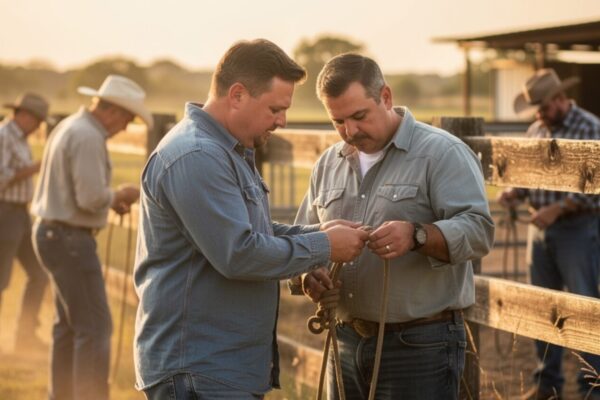
Austin is many things: a thriving technology hub, a celebrated music scene, and one of the fastest-growing cities in the country. It is also a city and a region, grappling with a substance use crisis that does not make the travel guides. The opioid epidemic, the ongoing toll of alcohol use disorder, and the rise of fentanyl-laced substances that have made drug use dramatically more dangerous are realities being lived by families across Travis County, Williamson County, Bastrop County, and throughout Central Texas.
Understanding the local landscape of addiction, what is driving it, who it is affecting, and what resources exist is important context for families navigating this crisis. Ranch House Recovery, located in Elgin, just 30 miles east of Austin, exists specifically to serve this community.
The Scale of the Problem in Texas
Texas consistently ranks among the states with significant substance use challenges. According to data from the Texas Health and Human Services Commission, hundreds of thousands of Texans meet the criteria for a substance use disorder in any given year. Opioid overdose deaths in Texas rose sharply during the COVID-19 pandemic and have been elevated since, driven significantly by the proliferation of illicitly manufactured fentanyl, a synthetic opioid so potent that a lethal dose is measured in micrograms.
Alcohol use disorder affects even larger numbers. It is the most widespread and in many ways most underrecognized form of addiction in Texas, partly because alcohol is legal, culturally normalized, and deeply embedded in social life. The harms it causes to health, to families, to careers, to communities are enormous but often invisible until they reach a crisis stage.
The Treatment Gap in Central Texas
One of the most significant challenges in the Central Texas addiction landscape is the treatment gap: the difference between the number of people who need treatment and the number who actually receive it. Nationally, research suggests that fewer than 10 percent of people who need addiction treatment receive it. In Texas, which has not expanded Medicaid and which has historically underinvested in behavioral health, the gap may be even larger.
The reasons people do not access treatment are well-documented: cost, stigma, lack of awareness of what treatment options exist, fear of losing a job or other life circumstances, and, perhaps most fundamentally, the reluctance to admit that help is needed, which is particularly acute among men.
Wait lists for state-funded programs can be long. The quality of treatment available varies considerably. And many of the programs that do exist are not designed to address the full complexity of what drives addiction in the first place, the trauma, the disconnection, the absence of purpose, in ways that produce lasting change.
What Makes the Austin Area Unique
Austin’s rapid growth has brought significant economic opportunity but also significant stress. Housing costs have risen dramatically. The city’s culture has changed faster than many longtime residents have been able to adapt. Young men, in particular those in their twenties and thirties who moved to Austin for opportunity or grew up here as the city transformed around them, are navigating a social landscape that can feel simultaneously full of possibility and deeply alienating.
The technology sector that employs many Austin residents has its own particular culture of high performance, long hours, and social drinking that can accelerate the development of problematic substance use. The pressures of hustle culture, the expectation of constant productivity, and the normalization of substances as performance enhancers or stress relievers create conditions in which addiction can develop in men who might not recognize themselves as ‘the kind of person’ who needs treatment.
The Rural-Urban Divide in Treatment Access
One of Ranch House Recovery’s distinctive advantages is its location: on a working ranch in Elgin, Bastrop County, thirty miles east of Austin. This location is therapeutic in itself, rural, quiet, and removed from the environments where most residents’ addiction took hold. But it also means that Ranch House serves not only Austin residents but men from across Central Texas, including communities in Bastrop, Lee, Caldwell, Gonzales, and surrounding counties where treatment access is even more limited than in the city.
For men in these rural communities, the options for residential treatment have historically been distant or nonexistent. Ranch House fills a genuine gap in the regional landscape providing high-quality, intensive residential treatment within a reasonable distance of home for families who need to stay connected.
Ranch House’s Role in the Regional Recovery Ecosystem
Ranch House Recovery is not a comprehensive healthcare system; it is one program, offering residential treatment for men, grounded in the Regenerative Recovery model. But it plays a specific and important role in the Central Texas recovery ecosystem.
By offering 30-, 60-, and 90-day residential programs in a holistic, community-based environment, Ranch House serves men who need more than a brief stabilization but who also benefit from staying close to their families and communities in Texas. By operating on a cash-pay model and offering scholarship assistance on a case-by-case basis, Ranch House makes its program accessible to some men who would otherwise struggle with cost. And by engaging in community service, attending local events, and participating in the public conversation about addiction, Ranch House actively works to reduce the stigma that keeps men from seeking help.
Every Saturday service project. Every farmers’ market where Ranch House residents sell produce grown on the ranch. Every KXAN segment, every community conversation, these are all part of Ranch House’s commitment to changing the face of addiction recovery in Central Texas.
If You Are in Central Texas and Need Help
If you or a man you love is struggling with addiction in the Austin area or anywhere in Central Texas, Ranch House Recovery is here. Located at 263 Roemer Road in Elgin, Texas, we are a short drive from Austin and accessible to communities throughout the region. Our admissions team can walk you through the program, discuss costs and scholarship availability, and help you determine whether Ranch House is the right fit.
Call us at (512) 525-8175 or contact us. Recovery is possible, and it can begin close to home.