Texas’s Psychedelic Research Breakthrough and How Ranch House Recovery Is Meeting Austin’s Addiction Treatment Needs Today

“Ibogaine could represent a seismic shift in how we treat opioid addiction and PTSD,” declared Texas Governor Greg Abbott in June 2025, as he signed Senate Bill 2308 into law, dedicating $50 million to clinical trials for the psychedelic compound ibogaine. This bold state investment puts Texas, and particularly Austin, at the forefront of psychedelic research in the United States.

While the excitement around ibogaine and other psychedelic therapies grows in the public eye, at Ranch House Recovery, we understand that for many individuals and families, the immediate need is for compassionate, reliable addiction treatment that helps people rebuild their lives day by day. Located just outside Austin, Ranch House Recovery offers just that a structured, community-driven, evidence-based program for men seeking long-term sobriety.


Understanding the Psychedelic Research Landscape: What It Means for Austin

The recent legislation marks a significant milestone. Ibogaine, a psychoactive alkaloid derived from the iboga plant native to West Africa, has shown promise in reducing opioid withdrawal symptoms and cravings in anecdotal reports and international studies. However, it remains a Schedule I substance in the U.S., making the new clinical trials critical for establishing safety, efficacy, and potential approval.

Governor Abbott and supporters, like former Governor Rick Perry, have emphasized the urgent need for new tools to combat the opioid crisis. Perry called the investment “a necessary step towards alternatives that save lives.” These trials will be conducted in partnership with Texas universities and medical centers, including institutions based in Austin, underscoring the city’s growing role as a health innovation hub.

While this emerging science holds promise for the future, it’s important to remember that effective addiction treatment has long required a balance of medical care, behavioral health support, and strong community networks, the very principles that guide our work at Ranch House Recovery.


Who We Are: A Sanctuary for Men Ready to Reclaim Their Lives

At Ranch House Recovery, our mission is clear: to provide a safe, supportive environment where men struggling with addiction can find lasting recovery. Founded and led by CEO and Founder Brandon Guinn, our program is deeply rooted in community values and a belief in the power of connection, structure, and purpose.

We know addiction can feel isolating and overwhelming. That’s why our program emphasizes holistic healing, combining accountability with empathy, and daily responsibilities with emotional growth. Our goal is not just sobriety but helping each man build a meaningful life that makes sobriety sustainable.

“Recovery is a journey, not a moment,” Brandon explains. “Our role is to walk alongside men in the messy, challenging process of change, providing tools, support, and hope every step of the way.”


What Makes Ranch House Recovery Different? A Holistic, Community-Centered Approach

Our program is designed to address the whole person, not just the addiction. Here’s how we do that:

1. A Working Ranch Setting
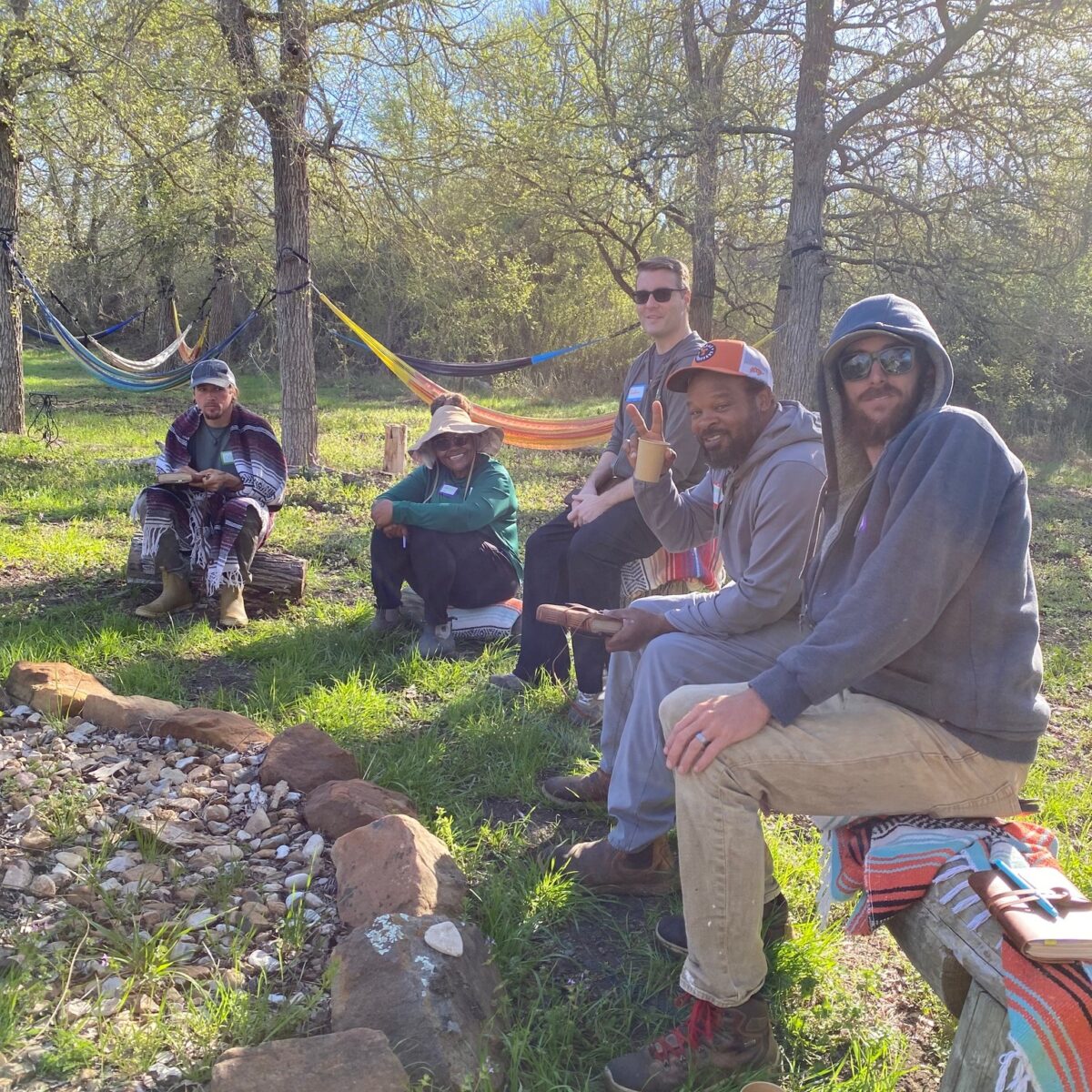
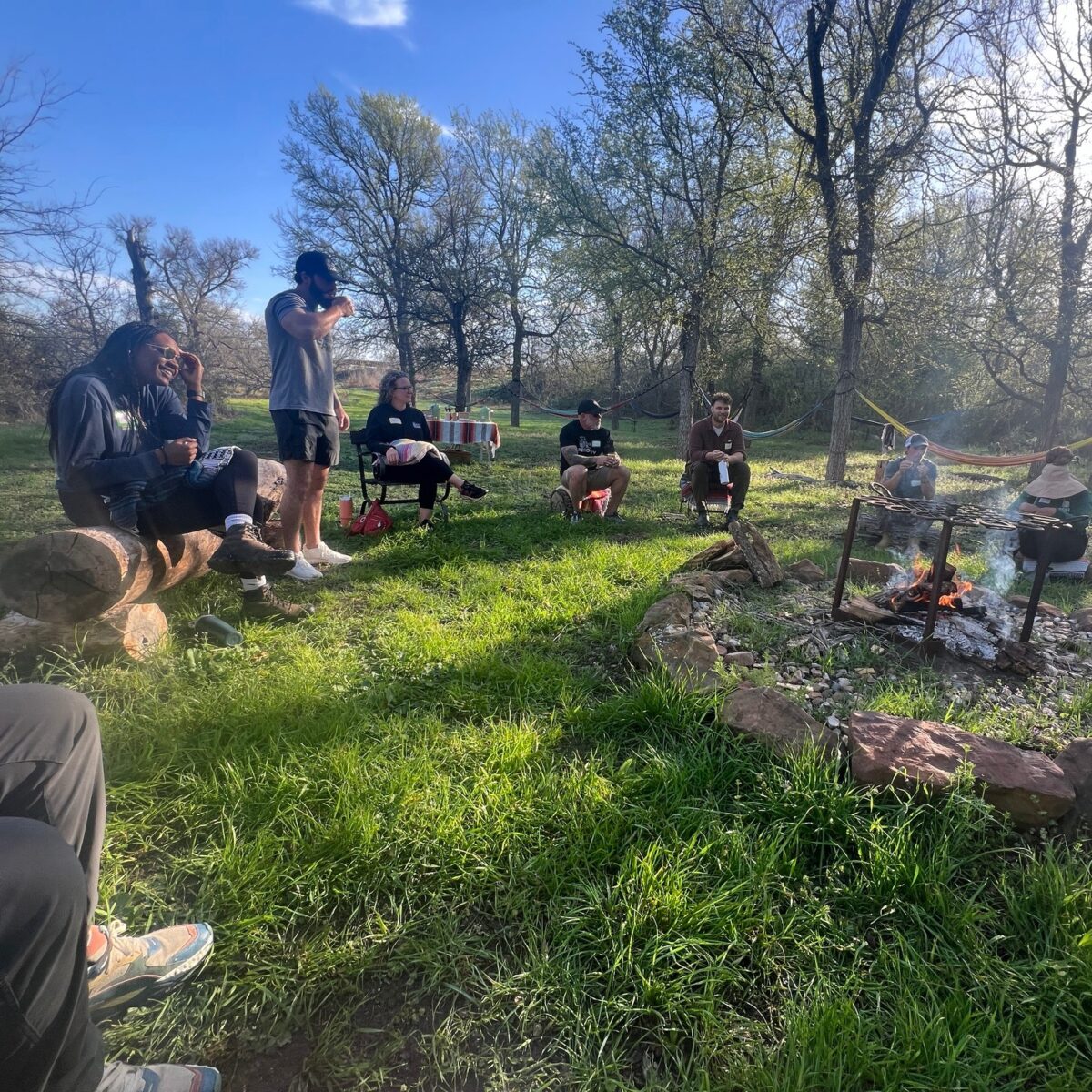
Our facility is more than just a sober living home it’s a place of growth. Residents participate in ranch-based work, chores, and community projects that build responsibility, teamwork, and a connection to nature. This hands-on approach cultivates discipline and purpose, grounding recovery in everyday accomplishments.

2. Structured, Supportive Daily Routines
Each day balances therapeutic activities with practical life skills training, group meetings, and recreation. This consistent structure helps residents rebuild routines that foster stability, a critical factor in long-term recovery success.

3. Focus on Emotional Healing and Peer Connection
Addiction thrives in isolation. We foster authentic relationships among residents and staff, creating a brotherhood where men can share honestly, support each other, and rebuild trust.

4. Integration of Behavioral Health Support
Under Jonathon Stewart’s leadership, our ABD program provides targeted therapeutic interventions tailored to individual needs. We combine evidence-based counseling with personal development work that addresses trauma, mental health, and relapse prevention.

5. Lifelong Mentorship and Aftercare Planning
Our mentors, including Jay, Daniel, Hayden, and Declan, remain part of residents’ lives beyond their stay, providing ongoing guidance and encouragement. We also work closely with families to rebuild connections and create a strong support network.


Real Impact: Stories of Change and Measurable Success

While every recovery journey is unique, Ranch House Recovery has consistently helped men make meaningful strides:

  • Our structured program has seen high rates of sustained sobriety beyond 12 months, a critical milestone that many programs struggle to achieve.
  • Residents frequently report improved self-esteem, healthier relationships, and a renewed sense of purpose after completing our program.
  • Family members praise the comprehensive support and communication Ranch House Recovery provides, easing the ripple effects of addiction on loved ones.

Addressing the Broader Addiction Crisis in Austin and Texas

Austin, like many cities nationwide, faces a persistent challenge with opioid and substance use disorders. According to the Austin Public Health Department, overdose deaths have remained a concern despite harm reduction efforts such as widespread naloxone distribution.

In this context, the state’s investment in psychedelic research signals a desire to expand treatment options. But Ranch House Recovery reminds us that there’s no substitute for compassionate, community-based care rooted in evidence and experience.

Our program is designed to be accessible and effective right now meeting men where they are and equipping them with the tools to reclaim their lives.


Looking Ahead: Hope for a Brighter Future

We welcome advances in science and new therapies, and we stay informed about developments in psychedelic-assisted treatment and other innovations. However, the foundation of recovery remains human connection, daily commitment, and comprehensive support values Ranch House Recovery has upheld since day one.

“No matter what new treatments emerge,” Brandon Guinn reflects, “our mission stays the same: to provide a place where men can heal, grow, and build lives worth living.”


Take the First Step Toward Lasting Recovery

If you or someone you love is struggling with addiction, know that help is available. Ranch House Recovery offers a welcoming, structured program dedicated to healing and transformation for men in the Austin area.

We’re here to walk with you, every step of the way.

Connect with us today to learn more about our program and how we can support your journey.
ranchhouserecovery.com/contact

From Burnout to Resilience: Supporting Austin’s Addiction Treatment Workforce

In July 2025, the Steve Hicks School of Social Work at UT Austin was awarded a significant grant to pilot a “stress first aid” framework aimed at addressing stress and burnout among addiction treatment providers, including harm reduction and substance use service workers in Texas and four other states. Frontline staff nurses, peer coaches, counselors are often overworked and under-supported, yet they deliver lifesaving care day in and day out. This funding reflects a growing understanding: to sustain quality care in cities like Austin, we must first sustain the caregivers themselves.


The Hidden Toll on Those Who Help

Burnout among addiction treatment professionals isn’t just a workplace issue it’s a community concern. When workers face emotional exhaustion, trauma, and moral distress without formal support, it affects retention, client care, and system resilience. This new grant funds research into preventative strategies like peer support, self-care protocols, and organizational shifts to support staff wellness earlier in their careers.

Dr. Katie McCormick a doctoral candidate at UT and recipient of a Moore Fellowship has explored these themes directly in her dissertation “Contributors of Occupational Stress and Burnout Among Texas Harm Reduction Workers,” noting high trauma exposure, compassion fatigue, and limited mental health support among frontline workers.


Why This Grants Matter for Austin

Austin’s recovery ecosystem thrives on people social workers, mentors, EMTs, peer support specialists who show up with empathy and expertise. Sustaining quality care across the city means investing in the health of our treatment workforce, ensuring they have the tools, rest, and community to provide stable support.

When frontline workers are supported, harm reduction services stay strong and that’s the foundation for programs like ours at Ranch House Recovery.


Our Perspective at Ranch House Recovery

At Ranch House Recovery, we see firsthand how burnout among behavioral health providers and mentors can ripple outward impacting men in recovery who rely on steady relationships to guide them through change.

As a trusted provider of drug rehab in Austin, we believe:

  • Caring for the caregiver builds better care for those in need.
  • Workforce burnout is a crisis we can’t afford to ignore especially amid ongoing opioid challenges.
  • Resilience isn’t just personal it’s organizational.

What This Research Could Unlock

The UT Social Work initiative will test the “stress first aid” framework, which equips organizations to detect early signs of overload providing immediate, peer-based tools to reduce acute stress.

Expected outcomes include:

  • Reduced turnover rates among addiction treatment staff
  • Improved job satisfaction and sense of purpose
  • Higher quality of care, with better outcomes for people in recovery
  • Enhanced collaboration across public, non-profit, and peer-driven treatment programs

If public health agencies adopt findings, Austin may become a model city for treating those who treat others ensuring workforce wellness is seen as essential public health infrastructure.


Voices from Our Team: Hope and Reality in Austin

Our staff understand the pressures and the promise in this work:

Jonathon Stewart, Director of ABD:
“We see folks come in deeply hurt, but often our mentors and counselors carry that weight too. When our team struggles, it echoes in recovery.”

Cody Cash, Director of Operations:
“Systems that value wellness grow. When staff have space to recover, clients experience consistency and that’s vital in recovery.”

Alexandra Litke, Administrative Director:
“We’re small, but every team member matters to our residents. If people can’t function, recovery infrastructure breaks.”


Building Resilience into Austin’s Recovery Ecosystem

A few paths forward stand out:

  • Data-driven self-care: Organizations can track early indicators of burnout (like hours worked, emotional exhaustion) and intervene early.
  • Peer-led gatherings: Regular check-ins among staff and mentors to debrief, share stress, and foster camaraderie.
  • Formal frameworks: Guidelines from UT’s program like stress-first aid kits can become core training across agencies in Austin.
  • Policy and funding support: When grants treat workforce well-being as accountable and measurable, it validates frontline care as public health infrastructure.

Why This Matters to People Seeking Help

When addiction treatment providers are valued, customers gain a stronger path to stability. At Ranch House Recovery, we know that:

  • Stability within our staff promotes continuity of care for men in our program.
  • Lower turnover improves connection, trust, and therapeutic consistency.
  • A resilient team means better integration of services from family outreach to aftercare planning.

Looking Ahead: Investing in Those Who Serve Others

UT’s School of Social Work award acknowledges an essential truth: the people helping others recover need help too. As Austin continues to grow as a health innovation hub, sustaining frontline addiction treatment will be central to its success.

We’re encouraged by the prospect of evidence-based support for staff, grounded in Austin’s own experience and our lived recovery community.


Our Role: Compassion + Structure = Sustainable Recovery

As colleagues across public systems, peer networks, and nonprofits build resilience into their organizations, Ranch House Recovery stands ready to partner and to ensure every man who comes to our doors receives care from a provider who is supported, engaged, and grounded.

When workforce wellness is prioritized, we see it reflected in every recovering man’s life.


If you’re part of the community interested in building resilience for residents or for the workforce let’s connect.

We’re here to support healthy, healing relationships for those served, and those serving. ranchhouserecovery.com/contact

Local Leadership: How Austin and Travis County Cut Overdose Deaths Through Naloxone Distribution and Harm Reduction

In 2024, a targeted public health investment and bold local partnerships drove a powerful turnaround: opioid-related deaths in Austin and Travis County declined 22%, while fentanyl-related deaths dropped 36% results attributed in part to distributing over 24,000 naloxone doses and training more than 1,100 overdose responders across the community.

These milestones represent more than statistics they show what leadership rooted in harm reduction, collaboration, and compassion can deliver right here in Austin.


Overdose Prevention in Action: Numbers Behind the Progress

  • Naloxone Distribution: Over 24,000 doses of Narcan/Naloxone have been distributed to residents, first responders, and community groups throughout 2024 across Austin and Travis County.
  • Training: More than 1,100 people completed the “Breathe Now” training, empowering them to recognize overdoses and administer naloxone safely.
  • Declining Overdose Rates: From 486 opioid-related deaths in 2023, the count fell to 380 in 2024. Fentanyl-related deaths likewise dropped from 279 to 179 in the same period.
  • First Decline in Years: For the first time in Travis County history, a year-over-year drop in accidental drug deaths occurred a vital sign of progress in the epidemic.

Even as overdoses remain the leading cause of accidental death in the county, officials say their work has shifted from responding to crises toward building long-term prevention systems.


How Austin Came Together: Partnerships That Delivered Impact

This progress wasn’t accidental it reflected coordinated effort:

  • Federal Grant Support: A $2 million federal grant coordinated by Congressman Lloyd Doggett and administered through SAMHSA enabled Austin Public Health, ATCEMS, and local partners to scale distribution and training programs.
  • Community Collaboration: The Texas Harm Reduction Alliance (THRA) provided peer coaching services engaging over 100 clients, linking them to treatment or resources, and facilitating recovery steps across incarceration and homelessness transitions.
  • Cross-Sector Training: The UT Austin Pharmacy Addiction Research Medicine Program (UT PhARM) trained nearly 600 healthcare providers in harm reduction and overdose prevention principles, boosting community-wide readiness.
  • EMS and Paramedic Engagement: ATCEMS paratroopers and paramedics targeted overdose hotspots, distributing naloxone in ambulances and supporting follow-up outreach to people after non-fatal overdose events.

“As Mayor Kirk Watson put it: ‘We are building a system that prevents it,’” reflecting the shift toward preventive models built on community partnerships rather than crisis-response only.


At Ranch House Recovery: We Support This Work and Add Another Layer

While this city-level coordination helps keep our neighborhoods safer, at Ranch House Recovery, our mission is focused on what happens after overdose prevention. We provide structured, compassionate drug rehab in Austin built on healing, accountability, and rebuilding lives.

We see these public health efforts as vital complements to our work:

  • When naloxone saves a life, we’re often ready to support the next step: recovery planning and long-term care.
  • When someone is referred or enters treatment, our team offers personalized guidance, mentoring, and reintegration support.
  • When communities grow stronger, our residents are part of that positive momentum restoring trust, purpose, and connection after suffering.

Our role isn’t to replace these systems but to amplify them providing real-life follow-through for people ready to change.


Stories from the Field: Voices of Hope and Service

Our team sees first-hand how prevention and treatment works in tandem:

  • Jonathon Stewart, Director of ABD:
    “When someone survives an overdose thanks to naloxone, the real work is just starting. We help them find purpose, routine, and community that keeps them going.”
  • Cody Cash, Director of Operations:
    “We track who’s been reversed and who’s ready for sober living. It’s about connecting that moment of crisis to a path forward.”
  • Alexandra Litke, Administrative Director:
    “Knowing there are community programs distributing Narcan, training more responders that gives people a realistic second chance. We give them a place to build on that chance.”

What Still Needs Attention: Funding, Access, and Sustainability

Despite the progress, there are cracks in the foundation:

  • Funding Uncertainty: The federal grant that enabled rapid scaling is ending and while future opioid settlement funds may fill some gaps, consistency is not guaranteed.
  • Legal Barriers: Access to fentanyl test strips remains limited under Texas law, preventing some harm reduction tools from reaching those who need them most.
  • Rural and Marginalized Populations: More work is needed to ensure overdose response and referrals reach unhoused individuals and those in remote parts of the county.

City and county leaders plan to extend the public health crisis declaration through October 2026, giving time to align future resources not as an end, but as the next phase of proactive planning.


Looking Ahead: A Model for the State and Beyond

Austin and Travis County are already inspiring other communities with what’s possible when prevention, treatment, and care converge:

  • They distributed naloxone in every ambulance, fire truck, and health facility.
  • They trained residents and professionals to act in overdose situations.
  • They leveraged peer networks to engage people who often remain invisible.
  • They prioritized partnerships over silos, aligning public health, EMS, nonprofits, and academia.

From crisis to prevention, from chaos to craftsmanship this is what recovery leadership looks like.


Ending Overdose Deaths, Building Lifelong Recovery

The data is clear: when systems collaborate, invest in harm reduction, and act early, lives are saved. Naloxone works training matters and leadership changes outcomes.

At Ranch House Recovery, that leadership continues when someone is ready. Our structured house, accountability network, and peer-based support complement the life-saving work happening throughout Austin.

We are part of the continuum from emergency reversal to purposeful living supporting individuals at every step.


If you’re seeking a supportive, structured path after surviving an overdose or if you need connection and care reach out to us.

We’re ready to walk with you.
ranchhouserecovery.com/contact

Fighting Stigma in Austin: Can AI‑Generated Messaging Shift the Conversation on Medication‑Assisted Treatment

A recent study published on arXiv found that exposure to LLM-generated messages in online communities significantly reduced stigma toward medication‑assisted treatment (MAT), compared to human‑written or no responses. Participants who read content generated by large language models reported the lowest levels of stigma toward MAT, whether they read the messages once or repeatedly over 14 days. This suggests that thoughtfully crafted AI messaging could foster more positive attitudes around opioid use disorder (OUD) treatment.


Why It Matters in Austin

Here in Austin, stigma around MOUD (medications like buprenorphine or methadone) remains a major barrier. Many still mistakenly view MAT as “replacing one addiction with another,” or see individuals using MAT as “weak” rather than seeking recovery. That stigma discourages open conversations, prevents people from getting help, and makes community support harder to build.

The arXiv findings are compelling: LLM-generated content outperformed both human-written content and no content in improving attitudes even in just one exposure and showed stronger effects over two weeks of repeated exposure. Importantly, human‑written responses in this study sometimes backfired, worsening attitudes when compared to controls. But AI‑crafted messaging remained stabilizing and stigma-reducing.


At Ranch House Recovery, Words Matter

We understand deeply that language shapes reality. Stigmatizing words aren’t just labels they signal isolation, shame, and fear. That’s why, even while technology like LLM‑based messaging shows promise, our work at Ranch House Recovery stays rooted in human connection and compassionate care. As a trusted provider of drug rehab in Austin, we know the difference spoken and shared stories can make.

“People seeking help shouldn’t feel judged or dismissed,” says Brandon Guinn, CEO and Founder. “Whether in person or online, our words can open doors or close them. We have to choose words that build dignity.”


Team Reflections on Changing the Conversation

This insight resonates across our entire team, many of whom have lived experience and see firsthand how damaging stigma can be and how powerful recovery becomes when that stigma is removed.

Jonathon Stewart, our Director of ABD, reflects:
“Stigma is what keeps a lot of men from ever walking through our doors. They think they’re beyond help or that real recovery isn’t possible for them. But once they realize they’re not alone, that they’re understood and not judged, everything starts to shift.”

Cody Cash, Director of Operations, adds:
“We see guys come in afraid to talk about what they’ve been through especially if they’re on MAT. We make it clear right away: you’re not defined by your medication, your past, or your relapse. You’re defined by your willingness to keep going.”

Even our mentors, who walk daily with residents, understand the power of breaking shame through empathy.

Jay Spitzer, a mentor, says:
“Sometimes all it takes is one real conversation one person saying, ‘Yeah, me too’ to break the wall of silence. That’s when healing begins.”


How AI Messaging Could Support Community Campaigns in Austin

Texas public health departments and organizations could consider integrating AI-generated, stigma-reducing messaging into public awareness campaigns:

  • Digital forums and social media groups: Moderated spaces where people ask questions about treatment could be supplemented with AI-generated empathetic responses that normalize MAT and support recovery.
  • Public health chatbots: On platforms providing OUD resources, AI prompts could guide users toward accurate, compassionate messaging about MOUD.
  • Training materials for providers: Incorporating sample AI‑generated scripts that model non-stigmatizing language could inform clinician communication and public health education.

Such efforts combined with first-person narratives and visual campaigns may shift community perceptions, reduce resistance to MAT, and encourage more people to seek help.


At Ranch House Recovery: Grounded in Real Recovery, Open to Innovation

While AI can spread ideas quickly, real healing still happens through relationships, structure, and support. Our structured sober-living model focuses on helping men rebuild lives of purpose and integrity.

  • Daily structure and accountability
  • Therapeutic mentorship and community
  • Life-skills training and relapse prevention
  • Mental, emotional, and spiritual growth

We’re encouraged by the potential of AI to reduce stigma, especially online. But we’re also grounded in the principle that tools alone aren’t transformative relationships are.

Alexandra Litke, our Administrative Director, emphasizes this balance:
“We’re open to anything that helps men feel seen and supported AI included. But what matters most is who’s there when they fall, and who celebrates when they rise. That’s us.”


Toward a More Accepting Austin Recovery Community

Imagine a healthier online and offline landscape in Austin where:

  • People read affirming, destigmatizing language about MAT.
  • Those curious about recovery feel encouraged, not ashamed.
  • Organizations use technology to expand compassion, not confusion.

This layered approach combining AI-informed outreach with local human care can help dismantle stigma and create a culture of hope.

At Ranch House Recovery, we’re committed to being part of that shift. We provide a warm, judgment-free space for men to recover supporting not just sobriety, but dignity, direction, and true transformation.


In Austin, Hope Speaks Louder Than Shame

The arXiv study shows how LLM messaging can move the needle on stigma and it’s just the beginning. Changing the narrative around addiction and medication-assisted treatment takes intention, heart, and relentless care.

That’s what we offer every day at Ranch House Recovery. As leaders in drug rehab in Austin, we blend innovation with presence, and compassion with structure.

We’re not here to judge. We’re here to walk with you.


If you or someone you love is ready to begin the journey, let’s talk.

Contact us today at ranchhouserecovery.com

Tech Meets Recovery: How App-Based Incentives Are Reshaping Opioid Treatment in Texas

A recent study by UT Health San Antonio, published in JAMA Network Open, is drawing attention across the addiction treatment field and for good reason. The research showed that combining smartphone-based contingency management (CM) with medication for opioid use disorder (MOUD) led to remarkable improvements in treatment outcomes:

  • 35% fewer opioid use days
  • Nearly 19% longer retention in treatment compared to MOUD alone

Led by the Be Well Texas team, the study highlights how technology used the right way can reinforce sobriety by rewarding healthy behaviors through real-time incentives. It’s an exciting development, especially here in Texas, where opioid overdose deaths continue to take lives and challenge families.

At Ranch House Recovery, we welcome this kind of innovation and we believe it works best alongside the deep, human-centered recovery work that happens every day in our homes and communities. While we don’t currently use app-based CM, we see its potential to complement the kind of community-driven addiction treatment in Austin, TX that we offer to the men in our program.


Understanding Contingency Management: A Proven, Underutilized Tool

Contingency management isn’t new. It’s one of the most effective behavioral interventions for substance use disorders, backed by decades of research. The model is simple: provide positive reinforcement usually in the form of small monetary or material rewards for behaviors that support recovery, like attending therapy, passing drug tests, or completing program milestones.

The challenge has always been scalability. Historically, CM required staff, oversight, and in-person interactions. But Be Well Texas’s approach delivered entirely through a smartphone app makes it far more accessible.

This is especially important in a state as large and diverse as Texas. Rural patients and those with limited access to treatment facilities can now receive immediate feedback and motivation with just a tap on their phone.


Why This Matters Right Now in Austin

Austin is no stranger to the opioid crisis. Like many urban areas, we’ve seen a troubling rise in fentanyl-related overdoses, especially among young adults and men. While the city has made strides in prevention and harm reduction including the distribution of naloxone and overdose response training access to high-quality, long-term treatment remains critical.

This is where new tools like smartphone-based CM could help fill the gap not to replace human connection, but to support it.

At Ranch House Recovery, we believe that healing happens through community, structure, and purpose. We’ve built our program around these pillars, offering men a safe and accountable space to recover and rebuild their lives. And while our model isn’t tech-based, we’re always looking at how new solutions can help our residents stay engaged, encouraged, and focused.

As Texas continues to invest in research and innovation through programs like Be Well Texas, we’re hopeful that Austin will see expanded access to contingency management tools especially for individuals transitioning out of structured programs like ours and into independent living.


How We Help: More Than an App A Whole New Life

At Ranch House Recovery, our mission is to walk with men through real, lasting transformation. Our services offers far more than abstinence it’s about helping each individual build a life they want to stay sober for.

We do this through:

  • A structured, community-based environment that promotes accountability and emotional growth
  • Daily routines and life skills development to prepare residents for life beyond treatment
  • Mentorship and peer support from a compassionate, experienced team
  • Integration of behavioral strategies like goal-setting, service work, and personal reflection that reinforce positive change

What we’ve found is that the most powerful rewards don’t come from points or cash they come from being seen, supported, and challenged to become more.

“Apps can be a great support,” says Ranch House Recovery founder Brandon Guinn, “but there’s no substitute for brotherhood, consistency, and the hard but beautiful work of showing up for yourself each day.”


Merging Innovation With Human Care

We see app-based contingency management as one more valuable tool in the larger toolbox of recovery. For someone just beginning their journey, especially those in outpatient or rural settings, the ability to track progress, get feedback, and receive encouragement even digitally can make the difference between relapse and recommitment.

But tools don’t heal people people do.

That’s why, as new technologies like CM apps become more accessible, our job is to ensure that the heart of recovery remains intact: compassion, accountability, and connection. Whether someone is entering a program like ours or using virtual tools on their own, it’s the community that ultimately sustains the work.


Our Take: Innovation is Welcome But Relationships Will Always Lead

The UT Health San Antonio study is a powerful affirmation that recovery science is moving forward, and Texas is leading the way. We support this momentum and hope to see more integration of evidence-based tools like CM across all levels of care, including here in Austin.

But we also know that tech isn’t enough on its own.

As a trusted provider of addiction treatment in Austin, TX, we at Ranch House Recovery will continue to focus on what we know works: a safe place to land, a brotherhood to belong to, and a mission to live for.

For those seeking real, lasting change not just another app we’re here.


Let’s Build a New Story Together

If you or someone you love is struggling with opioid addiction or any form of substance use, there is help and there is hope.

Reach out to Ranch House Recovery today and start your journey toward healing.

When Federal Support Falters, We Step Up: How Ranch House Recovery Holds the Line Against America’s Addiction Crisis

In mid-June 2025, the Washington Post ran a story that sent shockwaves through the mental health and recovery community. The article detailed how the Substance Abuse and Mental Health Services Administration (SAMHSA) the federal agency tasked with leading the nation’s fight against addiction has been forced to slash its workforce by nearly half. Even more staggering, the agency faces more than $1 billion in proposed funding cuts, threatening to unravel programs that tens of thousands of Americans rely on for survival.

The numbers are hard to process. Over 80,000 people died from drug overdoses in 2024, the article reported, even as nearly a quarter of U.S. adults continue to wrestle with mental health struggles. At the same time, federal youth suicide-prevention initiatives have been canceled, crisis centers in states like North Dakota have shut down, and community-based organizations are scrambling to fill the void.

For those of us working on the ground in addiction recovery, none of this is abstract. We see the impact every single day.


Why the Cuts Matter

For decades, SAMHSA has served as a crucial lifeline, funding everything from crisis hotlines to prevention programs and evidence-based treatment initiatives. These cuts, if they persist, could ripple through nearly every layer of America’s already fragile mental health infrastructure.

The opioid epidemic hasn’t slowed. Methamphetamine use is on the rise, fentanyl continues to flood the illicit drug supply, and access to treatment often lags far behind the need. The pandemic years left an indelible mark, with isolation, unemployment, and unprocessed grief fueling a spike in substance use disorders nationwide.

The Washington Post article warned of a simple, sobering truth: the safety net is fraying. Communities can no longer rely solely on federal systems to meet the overwhelming demand for care. Instead, more of the burden falls to grassroots organizations, local nonprofits, and recovery homes like ours.


Who We Are: Ranch House Recovery

Nestled on a quiet stretch of land in Elgin, Texas, Ranch House Recovery was founded by Brandon Guinn, a father, farmer, and teacher with a deeply personal connection to the work. Brandon has seen firsthand what addiction can steal from individuals, families, and entire communities. He built Ranch House Recovery to be a refuge: a place where men fighting addiction could rediscover dignity, hope, and a sense of purpose.

“Structure is everything,” Brandon says. “So many men come to us never having had real accountability or the kind of brotherhood that keeps you going. That’s what we offer here a community that doesn’t let go.”

Our mission is simple yet profound: help men rebuild their lives from the inside out. We believe in treating the whole person mind, body, and spirit within a structured environment that nurtures accountability, connection, and growth.


What Makes Us Different

At Ranch House Recovery, we know there’s no one-size-fits-all path to healing. That’s why our approach blends evidence-based practices with real-world skills and meaningful community connections. Here’s what sets us apart:

  • A True Sense of Brotherhood
    Residents don’t just share a house they share a journey. Together, they build deep bonds of trust and accountability that often last long after formal treatment ends.

  • Faith-Integrated 12-Step Support
    Spirituality isn’t about preaching here; it’s about finding a sense of meaning and grounding that can carry someone through the hardest days.

  • Therapeutic Farming & Animal Care
    Through our partnership with Simple Promise Farms, residents learn responsibility and patience as they tend to gardens and animals. For many, caring for something outside themselves sparks healing in unexpected ways.

  • Outdoor Healing & Mindfulness
    Our rural setting isn’t just a backdrop it’s a vital part of the recovery process. Studies consistently show that time in nature can lower stress, regulate emotions, and reduce cravings. We see that transformation every day.

  • Real Skills for a Real Future
    Vocational training is built into our program. From woodworking to agricultural skills, we prepare residents to step back into the workforce with confidence and purpose.


The Results Speak for Themselves

Since opening our doors, we’ve welcomed over 120 men into our residential recovery program. Our data tells a hopeful story:

  • 78% of our graduates have maintained stable housing and employment six months after completing the program.

  • 70% report lower cravings and improved emotional regulation, thanks in part to our nature-based therapy model.

  • Every resident has access to on-site Narcan, and our team has successfully reversed multiple overdoses often the difference between life and death.

Behind each of these numbers is a story. A father regaining custody of his children. A son reconciling with his parents. A young man who, for the first time in years, can envision a future worth fighting for.


Life at Ranch House Recovery

Life here runs on rhythm and structure. Mornings begin early, often with chores on the farm feeding animals, tending to the gardens, or maintaining the property. Residents participate in group therapy sessions, 12-step meetings, vocational training, and guided mindfulness exercises. Evenings often end in the fellowship of shared meals, laughter, and reflection.

For many, this environment is a revelation. They’re not alone anymore.

“I came here lost,” says Chris, a recent graduate. “I’d burned every bridge I had. But here, I found people who believed in me when I couldn’t believe in myself. I got my life back.”


Weathering the Storm of Federal Cuts

Like countless organizations across the country, we’ve felt the ripple effects of shrinking federal funding. When SAMHSA grants were slashed, critical programs we relied on were suddenly in jeopardy. But we refused to let that halt our mission.

Our alumni and community rallied. Through bake sales, car washes, and grassroots fundraising, we raised nearly $20,000 to keep our doors open. It wasn’t easy but it was a powerful reminder of what makes our work possible: people helping people.

“Recovery isn’t just about the person in the program,” Brandon says. “It’s about all of us, working together to create something bigger than ourselves.”


Why Local Programs Matter More Than Ever

The Washington Post report makes one thing clear: as federal support falters, local recovery programs are not just important, they’re essential. Big systems can take years to adapt. Grassroots programs like ours can pivot on a dime, meeting the needs of our residents in real time.

And we’re not just a “band-aid.” We’re a lifeline. We’re building something sustainable rooted in community, accountability, and the belief that every person deserves a second chance.


Looking Ahead

Our vision for the future is bold. We aim to expand our capacity, bring more vocational training options to our residents, and deepen our partnerships with local employers and service providers. We also plan to grow our alumni network, creating a ripple effect of mentorship and support that extends far beyond our ranch.

But to do that, we need help.


The Bottom Line

Federal safety nets may be fraying, but the human need for healing is as strong as ever. Here at Ranch House Recovery, we’re committed to filling the gap offering men a place to find their footing, rebuild their lives, and rediscover hope.

“We may not fix everything,” Brandon reflects, “but if we can help one more person reclaim their life, that’s what matters.”

In a time of shrinking resources and growing need, our mission has never been clearer. We stand firm. We keep showing up. We keep the doors open. And together, we help recovery take root one life at a time.

Ready to Be Part of the Change?

Every day, men walk through our gates carrying the weight of addiction—and every day, we watch hope come alive again. But we can’t do it without you.

Whether you’re looking for help for yourself or someone you love, or you want to support a community that believes in second chances, there’s a place for you here.

👉 Contact us today to learn more about our program, refer someone in need, or find out how you can get involved.


Understanding the Opioid Settlement and What It Means for Recovery in Texas

A Turning Point in the Opioid Crisis

The opioid epidemic has left a trail of devastation across the country. For decades, families have battled addiction, loss, and the emotional weight of a system that didn’t protect them. But a historic legal moment is offering a sliver of accountability and, hopefully, a path forward.

In late 2023, the U.S. Supreme Court ruled on a multibillion-dollar opioid settlement involving Purdue Pharma and the Sackler family, the company’s owners. The decision will allow more than $4.7 billion to be distributed to states, tribal governments, and individuals affected by the opioid crisis. According to AP News, this funding could support treatment, prevention, and education efforts across the country.

A Long Road to Accountability

Purdue Pharma, the maker of OxyContin, was one of the pharmaceutical companies most directly tied to the explosion of opioid use across America. The company aggressively marketed its powerful painkiller as safe and non-addictive, claims that later proved to be dangerously misleading.

As outlined in a CBS News report, the Sackler family has agreed to relinquish ownership of Purdue Pharma and contribute billions to addiction treatment programs. Although the settlement does not include a direct admission of wrongdoing, it marks a major step toward justice for families who have suffered in silence.

A report by ABC News also highlighted that all 50 states eventually agreed to the terms of the deal, prioritizing healing over prolonged litigation. The question now is: how will this settlement make a real difference for people struggling with addiction?

What This Means for Families in Texas

In rural areas and small towns across Texas, the effects of the opioid epidemic are deeply felt, especially where access to quality, long-term recovery is limited. This settlement funding has the potential to bolster local efforts and expand support for families who need it most.

But money alone won’t solve the crisis. Healing from opioid addiction takes time, trust, and a compassionate environment that understands the complexity of recovery.

That’s where Ranch House Recovery comes in.


The Role of Ranch House Recovery

Located in the heart of Texas, Ranch House Recovery offers a structured and holistic program for men seeking long-term recovery from substance use. Unlike many programs that offer short-term solutions, Ranch House focuses on connection, community, and real-life reintegration.

“Recovery isn’t just about quitting drugs,” says founder Brandon, a mission-driven advocate who started Ranch House after his journey through addiction. “It’s about rebuilding a life you want to live, one rooted in purpose, honesty, and connection. That’s what we offer here.”

At Ranch House, men aren’t treated like numbers. They’re seen, heard, and supported as they navigate the ups and downs of healing. Programs are grounded in real-life skills, spiritual growth, and accountability, the kind of transformation the opioid settlement funding hopes to support nationwide.


Moving Forward: Hope, Healing, and Community

The Purdue Pharma settlement is a reminder that justice even delayed, can pave the way for change. But for families affected by addiction, the real priority is finding trustworthy, compassionate care right now.

If you or someone you love is struggling with opioid addiction, you are not alone. Ranch House Recovery offers a safe, supportive space to begin again with no judgment, just real healing.


Take the First Step

Visit www.ranchhouserecovery.com to learn more or get in touch. Your path to recovery starts here, and we’ll walk it with you.

The Warnings About Tianeptine and What To Do

What is Tianeptine?

If you’ve come across headlines calling something “gas station heroin,” chances are they were talking about Tianeptine a substance that’s legal in some parts of the U.S. but increasingly raising red flags among healthcare professionals and regulators.

Tianeptine is an atypical antidepressant developed in the 1960s. It’s prescribed in several countries in Europe, Asia, and Latin America under brand names like Stablon, Coaxil, and Tatinol for the treatment of major depressive disorder. According to Wikipedia, it works differently from common antidepressants, acting on the glutamate system and enhancing serotonin uptake.

In the U.S., however, Tianeptine is not approved by the FDA for any medical use. That hasn’t stopped it from flooding gas stations and smoke shops in the form of brightly labeled pills or powders sold under names like “Zaza,” “Tianna Red,” or “Pegasus.” Users often think they’re buying a legal high or a mood enhancer, but they may unknowingly be opening the door to dependency, withdrawal, and severe health risks.

As AP News reported in March 2024, the U.S. Food and Drug Administration has issued multiple warnings about the substance. Despite this, it remains legal and easily accessible in some states—making it a growing concern in addiction recovery circles.


The Risks: Why It’s Called “Gas Station Heroin”

Tianeptine has earned the street nickname “gas station heroin” for a reason. Though it was never intended to be a recreational drug, users in the U.S. are ingesting it in large doses that mimic the euphoric effects of opioids.

In small therapeutic amounts, the drug may affect serotonin activity and improve mood. But in high doses, Tianeptine activates the brain’s mu-opioid receptors, the same ones triggered by heroin and morphine. The results? A rush of pleasure, a dangerous dependency, and a crash that’s far more destructive than many realize.

The FDA has received increasing reports of severe side effects, including:

  • Agitation and confusion
  • Rapid heartbeat
  • Nausea and vomiting
  • Respiratory depression
  • Seizures
  • Coma

According to the Newsweek article, poison control centers have seen a disturbing spike in calls related to Tianeptine. Between 2000 and 2013, there were just 11 cases. By 2020, that number had jumped to 151, and experts believe the real numbers may be much higher due to underreporting.

Real Lives, Real Stories

One of the most gut-wrenching accounts in the AP article described a mother in Alabama who found her son collapsed in his car outside a gas station, having overdosed on Zaza. “He thought it was harmless,” she said. “Now I live with a nightmare.”

Stories like this are happening everywhere, and they highlight a grim truth: just because something is legal doesn’t mean it’s safe. And just because it’s sold in a place you trust doesn’t mean it can’t ruin your life.


What the Withdrawal Feels Like

Many users don’t even realize they’re becoming dependent until they try to stop.

Tianeptine withdrawal is described by former users as brutal often worse than coming off opioids. That’s because it not only impacts the physical body but also wreaks havoc on emotional regulation, memory, and cognitive function.

Common symptoms include:

  • Intense anxiety and panic attacks
  • Muscle aches and tremors
  • Depression and suicidal thoughts
  • Profound fatigue
  • Nausea and vomiting
  • Insomnia and night sweats
  • Heart palpitations
  • Paranoia and hallucinations

Unlike pharmaceutical-grade opioids that are monitored and dosed, Tianeptine is often mixed with unknown substances, creating additional risks during withdrawal.

It’s not just a chemical detox. It’s an emotional and psychological crash.

That’s why quitting on your own is dangerous not just physically but mentally. If you or someone you love is trying to stop using Tianeptine and can’t, the safest first step is to reach out to a professional provider.


The Solution: How Ranch House Recovery Can Help

At Ranch House Recovery, we see the hidden struggles behind substances like Tianeptine. Men come to us not just because they’ve lost control, but because they want to reclaim their story and they don’t want to do it alone.

Tucked away just outside Austin, Texas, our long-term recovery program is designed specifically for men who need more than a quick fix. We create space to heal through clinical therapy, peer support, life-skills training, and structured daily living. We understand how isolating addiction can feel, especially when it’s something that society hasn’t even fully caught up with yet.

A Message from Our Founder

“The scariest thing about Tianeptine is how easily it hides in plain sight. Guys come to us thinking they were just taking something to get through the day. Then suddenly, they can’t stop, and they don’t know why. That’s where we come in. We offer a space where healing is real and you don’t have to carry shame.”
Brandon Guinn, CEO/Founder Ranch House Recovery

Whether you’re battling withdrawal or stuck in a loop of relapse, you deserve help that’s grounded in compassion and built for long-term transformation.

We’ve helped men move past substances like fentanyl, kratom, synthetic cannabinoids, and now Tianeptine. The drug may be new, but the core issue is not: you’re not broken you’re struggling, and there’s a way out.


What to Do Next

Tianeptine may not be a household name yet, but it’s quietly affecting thousands of lives, especially young men searching for something to help them feel okay again. The promise is short-lived. The price is steep. And the way out requires more than willpower.

If you or someone you love is using Tianeptine whether it’s called Zaza, Tianna, Pegasus, or something else don’t wait for it to spiral further. Contact a recovery provider who understands the reality behind these substances and can guide you through it with dignity and care.

At Ranch House Recovery, we meet men where they are. No shame. No judgment. Just real support.

Call us today or visit ranchhouserecovery.com to take the first step.
Because healing isn’t just possible it’s waiting for you.

Hope in the Numbers: How Ranch House Recovery Is Changing the Landscape of Addiction Recovery in America

“The tragedy is not just that people are dying from addiction—it’s that so many never get the chance to recover in the first place.”

A Crisis of Care in America

A recent study published by the National Institute on Drug Abuse found that only 13.4% of people with a substance use disorder received any form of treatment in the past year, despite a sharp increase in substance-related deaths and mental health challenges nationwide.

Dr. Nora Volkow, Director of NIDA, called the findings “both alarming and heartbreaking,” adding: “We’re seeing a gap between need and care that is not only widening, but costing lives.”

It’s a grim picture—but not the full one. In the midst of this crisis, a quiet force for healing is emerging from the heart of Texas.

Ranch House Recovery: A Beacon of Hope

Ranch House Recovery, founded by Brandon Guinn, stands out for its holistic and compassionate approach to addiction treatment. The center offers a wide array of programs aimed at tackling the root causes of addiction, blending traditional therapies with innovative treatments. 


A Different Kind of Recovery

Located just outside Austin, Ranch House Recovery is rewriting the narrative around addiction treatment. Servicing men in Austin, Texas, the center offers more than just a path to sobriety—it provides a foundation for a new way of living.

“We don’t believe in a one-size-fits-all model,” says a member of our team. “These guys come to us with real stories, real pain—and what they need is community, structure, and a sense of purpose.”

Founded by individuals with personal experiences in recovery, Ranch House creates a deeply empathetic and authentic environment. It’s not a hospital or a cold clinical setting—it’s a home, a brotherhood, and for many, a lifeline.


What Sets Ranch House Apart

Ranch House Recovery’s extended care model emphasizes personal responsibility, long-term support, and whole-person healing. Clients aren’t just treated—they’re equipped.

Through a blend of evidence-based therapy, group support, life coaching, physical activity, and mindfulness work, residents build new habits and a healthier mindset. From job-readiness training to repairing family relationships, the program is designed to help men reintegrate into life with purpose and confidence.

“Recovery doesn’t end when you stop using,” says a member of our team. “It begins when you start showing up for yourself—and others—in a meaningful way.”

That approach is working: more than 80% of participants complete the full program, and many go on to stay involved as mentors and community leaders.

Matt, a recent graduate, shared: “I’d been through two rehabs before Ranch House. This was the first time someone actually saw me—not just my addiction. That changed everything.”


Bridging the Gap

Ranch House also recognizes that recovery isn’t an isolated process. Their family services help rebuild trust and connection with loved ones—a crucial but often overlooked piece of the healing puzzle.

As the nation continues to struggle with rising addiction rates and limited access to effective care, Ranch House Recovery offers a tangible solution rooted in human connection, accountability, and hope.

“There’s so much despair in the headlines,” says Guinn. “But we see the other side of the story every day—guys who come in broken and leave with a new sense of purpose. That’s what keeps us going.”

The gap between addiction and recovery is real—but it doesn’t have to be permanent. Programs like Ranch House Recovery are proving that with the right support, men across the country can—and do—reclaim their lives.

If you or someone you love is struggling, take the first step toward healing. This Austin drug rehab is open to men from all states, offering not just treatment, but transformation.

Because hope isn’t just a concept—it’s a choice. And it’s waiting for you at Ranch House.

Achieve Long Term Sobriety With Proven Addiction Treatment Techniques

Exploring Paths to Long Term Sobriety Through Effective Treatment

addiction remains a formidable challenge worldwide, affecting individuals, families, and communities. Long term sobriety requires not only an initial successful treatment but also robust follow-up care, personalized recovery strategies, and a resilient support system. This article provides a comprehensive exploration of the pathways toward enduring sobriety through effective treatment modalities. It emphasizes the importance of understanding the foundational elements of addiction treatment, recognizing the varied therapeutic options available, and building strong support networks. Integrating scientifically validated methods, evidence-based practices, and real-world examples, the article serves as an essential resource for those seeking sustainable recovery from substance use. By addressing critical aspects such as individualized treatment plans, aftercare, coping mechanisms, mental health considerations, and relapse prevention strategies, the article aims to support adults grappling with addiction, while subtly integrating key terms like addiction treatment, rehab center, drug and alcohol rehab center, contact us, and 12 steps. With the ultimate goal of guiding readers to a path of recovery and transformation, this piece sets the stage for a deep dive into the dynamic journey toward lasting sobriety.

Transitioning from the central problem of addiction to the strategies that support long term sobriety, the following sections detail the necessary foundations, treatment modalities, aftercare practices, support systems, lifestyle adjustments, mental health integration, relapse prevention, and the celebration of recovery milestones.

Understanding the Foundations of Lasting Sobriety

Understanding the foundational aspects of lasting sobriety is crucial to developing effective recovery strategies. Long term sobriety is defined as sustained abstinence from substance use, maintained through comprehensive treatment and committed aftercare. It involves achieving significant milestones, such as completing detox, engaging in therapy, and actively participating in support groups. The journey begins with an initial addiction treatment phase that can set the tone for future success by addressing the root causes of dependency and stabilizing the patient both emotionally and physically.

Defining Long Term Sobriety and Its Milestones

Long term sobriety signifies more than the absence of substance use; it represents a redefined lifestyle where individuals rebuild their lives with renewed purpose and commitment. Milestones in this journey might include achieving a certain number of months or years of sobriety, overcoming personal setbacks, and maintaining improved emotional and physical health. These milestones serve as benchmarks that motivate individuals and reaffirm their progress, highlighting both personal growth and positive changes in relationships, employment, and overall quality of life.

The Role of Initial Addiction Treatment in Future Success

Successful initial addiction treatment is often characterized by a structured detox program and the establishment of a clear treatment plan. Evidence-based approaches—such as cognitive behavioral therapy (CBT), motivational interviewing, and medication-assisted treatment—can enhance the probability of long term sobriety. Studies have demonstrated that individuals who receive structured and intensive treatment early experience a roughly 30% higher rate of sustained recovery compared to those with less intensive care. The initial treatment acts as a foundation, equipping patients with the tools necessary to handle cravings and triggers later in their recovery.

Recognizing Addiction as a Treatable Condition

It is essential for individuals to view addiction not as a moral failing but as a treatable medical condition. Viewing addiction through this lens reduces the stigma, encourages seeking help, and supports recovery. Medical research underscores that addiction affects brain chemistry, primarily in regions responsible for reward and impulse control. With this understanding, treatment can include both psychological and neurobiological interventions, ensuring a holistic approach to recovery.

How Brain Chemistry Changes With Substance Use and Recovery

Substance use alters brain chemistry by disrupting normal neurotransmitter functions, especially in dopamine pathways that are responsible for pleasure and reward. Over time, these changes can lead to physical dependency and behavioral changes. However, during recovery, the brain gradually rebalances its chemical structure. Recent studies indicate that neuroplasticity enables the brain to rewire itself, resulting in improved cognitive functions over time. Therapeutic interventions focusing on nutrition, exercise, and mindfulness can further facilitate these positive changes, contributing to improved emotional regulation and decision-making capabilities.

Individualized Approaches to Addiction Treatment

Effective treatment programs need to be tailored to an individual’s unique needs. Personalization involves assessing factors such as the type of substance abused, the duration of addiction, co-occurring mental health conditions, and the individual’s social environment. By utilizing comprehensive assessments and personalized therapy plans, practitioners can address the underlying causes of addiction while also planning for long-term relapse prevention. The integration of patient-specific factors with evidence-based interventions has proven to be a critical element for sustained recovery, ensuring that each treatment plan responds to the unique challenges faced by the individual.

Identifying Effective Addiction Treatment Modalities

Identifying and implementing effective addiction treatment modalities forms the next essential building block in creating a sustainable recovery process. Evidence-based treatment methods offer an array of options that address both the physical dependency and the psychological aspects of addiction. This section provides an in-depth overview of such modalities, focusing on those that have been verified by scientific research to enhance recovery outcomes.

Overview of Evidence-Based Addiction Treatment Methods

Evidence-based treatment methods are those which have undergone rigorous clinical testing and have a solid research backing. Key modalities include cognitive behavioral therapy (CBT), motivational interviewing, family therapy, and medication-assisted treatment (MAT). Each of these methods offers specific benefits—for example, CBT helps in restructuring destructive thought patterns, while MAT supports brain chemistry normalization. Research published in the Journal of Substance Abuse Treatment (Smith et al., 2020) indicates that integrated care combining cognitive behavioral interventions and medication can improve long-term sobriety outcomes by up to 35%.

Behavioral Therapies and Their Impact on Recovery

Behavioral therapies focus on modifying thought patterns and behaviors associated with substance use. These therapies work by helping patients identify triggers and learn healthier coping mechanisms. Cognitive behavioral therapy and dialectical behavior therapy (DBT) are particularly effective for individuals dealing with co-occurring mental health issues such as depression or anxiety. Through structured sessions, patients learn to challenge negative thinking and improve decision-making processes, thus directly impacting their ability to maintain sobriety.

Medication-Assisted Treatment Options for Sustained Sobriety

Medication-Assisted Treatment (MAT) integrates the use of FDA-approved medications with behavioral therapies to treat addiction. Medications like methadone, buprenorphine, and naltrexone have been proven effective in reducing cravings and preventing relapse, particularly in opioid addiction. A randomized controlled trial (Volkow et al., 2019) noted that MAT can increase recovery rates by reducing the risk of relapse and lowering the likelihood of overdose. Incorporating these medications into a patient’s treatment plan can bridge the gap between acute treatment and long term recovery.

The Significance of Dual Diagnosis Treatment in Long Term Recovery

Dual diagnosis treatment involves addressing both addiction and any concomitant mental health disorders simultaneously. Research has shown that individuals with co-occurring disorders have better recovery outcomes when both conditions are treated concurrently. Integrated treatments not only address substance use but also stabilize mood and behavioral issues, which are common barriers to sustained sobriety. By implementing a dual diagnosis approach, treatment centers can significantly improve the probability of long-term success.

Holistic Therapies Supporting Addiction Treatment

Holistic therapies, such as mindfulness meditation, yoga, acupuncture, and nutritional counseling, offer complementary benefits alongside traditional treatment methods. These practices focus on the mind-body connection, promoting overall wellness and stress reduction. For instance, mindfulness-based relapse prevention techniques have demonstrated a reduction in relapse rates by encouraging patients to remain present and manage triggers effectively. Holistic therapies can be tailored to complement more conventional treatments, providing a multifaceted approach to recovery that enhances both physical and mental well-being.

The Critical Role of Aftercare in Maintaining Long Term Sobriety

Aftercare is a critical component of successful long term sobriety. It encompasses the support and treatment provided after the initial phase of addiction treatment and detoxification, designed to prevent relapse and ensure sustained recovery. Effective aftercare programs help individuals transition from intensive treatment settings back into everyday life, bridging the gap between clinical care and long term wellness.

What Constitutes Aftercare in Addiction Treatment

Aftercare in addiction treatment includes a range of services such as ongoing counseling, support groups, and sober living arrangements. It is designed to reinforce the progress made during initial treatment, while addressing challenges that arise when re-integrating into the community. Components of aftercare also involve structured relapse prevention plans, regular check-ins with healthcare providers, and access to emergency support in moments of crisis. Aftercare provides continuous motivation, accountability, and connection through programs such as 12-step meetings and alumni groups, ensuring that individuals have a network to fall back on during vulnerable moments.

Benefits of Continued Support Post-Initial Treatment

Continued support post-initial treatment significantly reduces the risk of relapse by offering consistent guidance and reinforcement. A study published in Addiction Science & Clinical Practice (Johnston et al., 2021) revealed that patients who participated in aftercare programs were 40% less likely to relapse compared to those who did not. These benefits include sustained motivation, improved coping strategies, and a heightened sense of community and belonging. Regular engagement in aftercare services ensures that individuals can continually reassess their progress, set new goals, and address emerging challenges promptly.

Developing a Personalized Relapse Prevention Plan

A personalized relapse prevention plan is central to effective aftercare. Such a plan involves identifying individual triggers, high-risk situations, and early warning signs of potential relapse. Developing this plan typically requires collaboration between the patient and their treatment team. It includes specific strategies to manage stress, avoid isolation, and address emotional triggers. Techniques such as mindfulness, structured daily routines, and contingency planning are integrated into the strategy to provide immediate responses during moments of craving. By tailoring the plan to the individual’s unique circumstances and needs, patients gain the tools necessary to sustain long term sobriety while building resilience against future challenges.

Sober Living Environments and Transitional Support

Sober living environments provide structured, substance-free residences where individuals can gradually transition back into society while maintaining sobriety. These settings offer communal support, accountability, and healthy routines, which are critical during the vulnerable early stages of recovery. Sober living homes often incorporate house meetings, peer mentoring, and regular counseling sessions to reinforce recovery principles. Studies show that residents in sober living environments exhibit a 25% lower rate of relapse compared to those who return directly to unsupervised settings. Transitional support extends beyond housing, encompassing vocational training, educational opportunities, and social integration programs that help former patients rebuild their lives holistically.

The Value of Alumni Programs in Sustaining Sobriety

Alumni programs offer long term support by connecting individuals who have successfully moved through treatment with those who are earlier in their recovery journey. These programs create a sense of continuity and community, providing ongoing mentorship, social connection, and access to additional resources. Regular meetings, workshops, and social activities foster accountability and celebration of milestones, further solidifying the recovery process. Alumni groups are instrumental in sharing experiences, coping strategies, and advice, thereby reinforcing the collective knowledge and resilience of the community. Such ongoing engagement not only helps in managing setbacks but also inspires hope, contributing to a sustained, fulfilling sober lifestyle.

Building a Resilient Support System for Enduring Sobriety

A resilient support system is pivotal in the journey to long term sobriety. Recovery is not a solitary process; it requires a network of individuals who provide emotional, psychological, and practical support. Building such a system involves connecting with peer support groups, family, friends, and professional networks that specialize in addiction recovery. A robust support network helps individuals face the challenges of recovery, fosters accountability, and creates an environment where lifestyle changes can be effectively sustained over time.

The Importance of Peer Support Groups Like AA and NA

Peer support groups such as Alcoholics Anonymous (AA) and Narcotics Anonymous (NA) are foundational pillars of many recovery programs. These groups offer a safe space for individuals to share their experiences, challenges, and successes with others who understand the complexity of addiction firsthand. Peer interactions provide a source of empathy, encouragement, and collective wisdom. Numerous studies have shown that active participation in peer support groups correlates with improved recovery outcomes. Regular attendance in AA or NA meetings can reinforce sober behavior, as members hold each other accountable, celebrate milestones, and collectively develop effective coping strategies.

Involving Family and Loved Ones in the Recovery Journey

Family members and loved ones play an integral role in reinforcing recovery. Their support can range from emotional encouragement to practical assistance with everyday challenges. Involving family in therapy sessions and educational programs helps strengthen familial bonds and reduces the stigma associated with addiction. Counseling for relatives not only educates them about the nature of addiction but also provides strategies for effective communication and conflict resolution. When families understand the dynamics of addiction and recovery, they can offer a supportive environment that fosters long term sobriety and minimizes triggers linked to familial stress.

Cultivating Healthy Sober Friendships

Establishing and cultivating healthy sober friendships is essential as individuals transition away from environments associated with substance use. New relationships based on mutual interests, shared goals, and healthy lifestyles provide alternatives to past social patterns that might have encouraged substance use. Sober friendships often emerge in support group settings, recreational activities, or community centers focused on wellness. These relationships can lead to constructive social interactions and foster feelings of camaraderie and belonging. As individuals rebuild their social circles, the reinforcement of a sober lifestyle through positive, value-driven connections can significantly bolster their commitment to recovery.

Professional Support Networks Beyond Initial Treatment

While peer and familial supports are critical, professional support networks also contribute significantly during the recovery journey. These networks include addiction counselors, therapists, psychiatrists, and vocational coaches who provide specialized expertise. Regular one-on-one sessions with a counselor help individuals navigate emotional challenges and adjust relapse prevention strategies over time. Additionally, these offerings ensure that emerging issues are addressed before they evolve into major setbacks. By supplementing informal supports with professional guidance, individuals can access comprehensive and adaptive care that addresses both immediate and long term needs.

How Open Communication Strengthens Recovery

Open communication is a core element in sustaining sobriety. Whether it is sharing concerns in a therapy session, discussing triggers in a support group, or having honest conversations with loved ones, effective communication paves the way for understanding and change. When individuals express their emotions and challenges openly, they not only receive timely support but also build resilience for future difficulties. Such clear and constructive exchanges prevent misunderstandings and contribute to a more empathetic environment, reinforcing trust and accountability in every relationship. Open communication is therefore not merely a soft skill—it is a critical factor that sustains recovery efforts over time.

Developing Healthy Coping Mechanisms and Lifestyle Changes

The development of healthy coping mechanisms and the adoption of lifestyle changes are essential for individuals seeking long term sobriety. Before reaching a stage where cravings or exposure to triggers can lead to relapse, it is vital for individuals to build strategies that help manage stress, regulate emotions, and promote overall well-being. Integrating physical activity, proper nutrition, mindfulness practices, and structured daily routines creates a stable foundation that supports the sustained abstinence from addictive substances.

Identifying Personal Triggers and High-Risk Situations

Identification of personal triggers is the first step in developing effective coping mechanisms. Triggers can range from certain social situations to emotional states or even environmental cues that are associated with substance use. Maintaining a detailed journal can help individuals track these triggers, recognizing patterns over time. For example, stress at work or feelings of loneliness can lead to cravings. Armed with this awareness, individuals can proactively plan strategies, such as engaging in stress-relieving exercises or seeking social support before a situation escalates. A comprehensive understanding of trigger situations enables the implementation of preventive measures that safeguard against relapse.

Stress Management Techniques for Sustained Sobriety

Effective stress management is at the core of long term sobriety. Techniques such as deep breathing exercises, progressive muscle relaxation, and mindfulness meditation have been scientifically validated to reduce cortisol levels, the body’s primary stress hormone. For instance, a study in the Journal of Behavioral Medicine (Lee et al., 2018) reported that individuals practicing mindfulness experienced a 25% reduction in stress levels over eight weeks, contributing to improved emotional regulation and decreased risk of relapse. In addition to mindfulness, engaging in physical activities like walking, cycling, or yoga can enhance mood, alleviate anxiety, and promote overall physical health while reinforcing a structured, sober daily routine.

The Importance of Routine and Structure in Daily Life

Establishing a consistent routine helps create stability, reduces decision fatigue, and minimizes opportunities for exposure to high-risk situations. Daily schedules that incorporate time for work, self-care, leisure, and social activities help frame a balanced lifestyle. Structure further facilitates the development of new habits that replace past, unhealthy routines with positive behaviors. When routines are followed diligently, the predictability of daily life becomes a protective factor against the chaos that often fuels addictive behaviors. This disciplined approach not only supports sobriety but also contributes to a sense of achievement and well-being.

Incorporating Physical Activity and Nutrition Into Recovery

A balanced diet and regular physical exercise are essential components of holistic recovery. Proper nutrition plays a significant role in stabilizing mood and energy levels, while physical activity improves overall health and can act as a natural mood booster through the release of endorphins. Exercise routines, whether moderate cardio or strength training, have been shown to reduce symptoms of depression and anxiety, which are common co-occurring conditions in addiction. Nutritional counseling can also guide individuals to choose foods that repair brain chemistry altered by substance abuse and foster a balanced internal system—a key factor in sustaining sobriety.

Mindfulness and Meditation Practices for Emotional Regulation

Mindfulness and meditation are proven strategies for enhancing self-awareness and emotional regulation. These practices help individuals stay present in the moment and develop a non-judgmental awareness of their thought processes and emotions. In a recovery context, mindfulness can assist individuals in observing cravings and negative emotions with detachment, reducing the likelihood of impulsive decisions. Furthermore, constant engagement in these practices has been shown to improve overall cognitive function and resilience against stress. When combined with other healthy lifestyle changes, mindfulness and meditation serve as powerful tools in the continual quest for long term sobriety.

Addressing Mental Health for Comprehensive Long Term Sobriety

Comprehensive long term sobriety entails addressing not only the physical aspects of addiction but also the mental health challenges that often accompany it. Many individuals suffering from addiction also battle co-occurring disorders such as depression, anxiety, or post-traumatic stress disorder (PTSD). Addressing these mental health issues is critical for sustained recovery, as untreated psychological conditions can potentiate relapse. Integrating mental health treatment into an addiction recovery plan ensures that individuals receive comprehensive care that addresses both their emotional and physical needs.

The Connection Between Mental Health and Addiction

Mental health and addiction are closely intertwined, with each influencing the other. The brain’s reward system, which is altered by substance abuse, is also implicated in mood disorders and stress responses. Studies have demonstrated that treating depression and anxiety can significantly improve recovery outcomes by mitigating factors that contribute to relapse. Recognizing the inherent connection between mental health and addiction paves the way for dual diagnosis treatment models, where both conditions are managed simultaneously for better overall outcomes.

Therapeutic Approaches for Co-Occurring Disorders

Therapeutic approaches for co-occurring disorders typically include a combination of psychotherapy, pharmacotherapy, and holistic therapies. Cognitive Behavioral Therapy (CBT) remains a mainstay in treating both addiction and mental health conditions by reshaping negative thought patterns. Additionally, therapies like Eye Movement Desensitization and Reprocessing (EMDR) have been effective in addressing trauma-based disorders. Professional guidelines increasingly recommend that treatment centers utilize an integrated approach, as demonstrated in research by the National Institute on Drug Abuse (NIDA), which highlights the benefits of concurrent treatment strategies for substance use disorders and mental health conditions.

Strategies for Managing Emotions Without Substances

Learning to manage emotions without reliance on substances is a vital skill for those on the path to recovery. Techniques such as journaling, art therapy, and mindfulness training provide alternative outlets for processing complex emotions. Emphasizing emotional resilience, recovery programs often include modules on stress management and emotional regulation. These strategies empower individuals to confront challenging situations with effective coping mechanisms rather than resorting to self-medicating behaviors. Consequently, individuals not only reduce the risk of relapse but also experience enhanced cognitive clarity and improved interpersonal relationships.

Prioritizing Mental Wellness in the Sobriety Journey

Prioritizing mental wellness involves both proactive and reactive strategies to maintain balanced psychological health. This includes regular mental health check-ups, engagement in ongoing therapy, and participation in support groups tailored to emotional wellness. Additionally, integrating self-care routines that promote relaxation and mental clarity—such as regular sleep, meditation, and social connections—fortifies an individual’s ability to manage stressors. Over time, these practices contribute significantly to overall resilience, ensuring that the recovery process continues to evolve positively.

Seeking Ongoing Therapy and Counseling

Ongoing therapy and counseling are indispensable elements of long term sobriety. Weekly or monthly therapy sessions create a structured environment where individuals can process emotions, monitor progress, and adjust relapse prevention strategies. The role of a skilled therapist is to provide both emotional support and actionable strategies that align with the individual’s evolving needs. By fostering an environment of trust and continuous reflection, therapy becomes a cornerstone for maintaining sobriety. In many cases, therapy also helps individuals develop a more profound understanding of their addictive behaviors, enabling them to form healthier patterns that support a fulfilling, substance-free life.

Navigating Challenges and Preventing Relapse in Long Term Sobriety

Navigating challenges and preventing relapse is one of the most critical aspects of maintaining long term sobriety. Even with comprehensive treatment and support, the recovery journey is fraught with challenges, including exposure to high-risk situations and the constant battle against cravings. Understanding common triggers, recognizing early warning signals, and developing actionable strategies to counter relapse play a central role in sustaining sobriety over time.

Understanding the Common Causes of Relapse

Relapse is often precipitated by a combination of environmental, psychological, and biological factors. Stressful events, unresolved emotional conflicts, and exposure to people or settings associated with previous substance use are among the most common causes. Scientific studies indicate that nearly 40-60% of individuals in recovery will face relapse at some point, emphasizing the need for robust preventive measures. A thorough understanding of these triggers is critical, allowing individuals to anticipate potential pitfalls and create a response strategy tailored to their unique circumstances.

Recognizing Early Warning Signs of Potential Relapse

Recognizing the early warning signs of an impending relapse can provide a crucial window for intervention. These signs may include increased isolation, negative mood shifts, irritability, and a resurgence of cravings. Regular self-assessment and honest introspection can help individuals identify subtle behavioral and emotional changes that precede a relapse. Many recovery programs encourage keeping a daily log of feelings, triggers, and coping strategies, which has been shown to help in the early detection of relapse patterns. Early recognition combined with immediate engagement in therapeutic techniques can prevent a full-blown relapse.

Strategies for Overcoming Cravings and Urges

Effective strategies for managing cravings include a combination of behavioral techniques, mindfulness practices, and, when appropriate, pharmacological support. Techniques such as delay tactics, distraction, and cognitive reframing have been demonstrated to reduce the intensity of cravings. Additionally, engaging in activities that promote physical and mental well-being—like exercise, creative hobbies, or social interaction—can offer a constructive outlet for these urges. Research has shown that structured interventions, including the use of medications for specific types of addiction, can reduce the frequency and intensity of cravings by as much as 30% in some individuals.

Learning From Setbacks and Recommitting to Sobriety

Setbacks, although disheartening, are an inevitable part of recovery for many individuals. The key is to view these instances as opportunities for learning rather than failures. By analyzing the circumstances that led to a setback, individuals can refine their relapse prevention plans and strengthen their coping mechanisms. This process of reflection and adjustment is critical in building long term resilience. Recommitting to sobriety after a setback often involves revisiting support systems, engaging in additional counseling, and making necessary adjustments to daily routines. This proactive approach fosters a mindset that is focused on growth and continuous improvement.

The Role of Continuous Self-Monitoring and Honesty

Continuous self-monitoring is vital for maintaining sobriety over time. Individuals are encouraged to keep a detailed record of their moods, triggers, and behavioral responses on a regular basis. Tools like recovery journals and mobile applications that track emotional and physical states have proven useful in providing real-time feedback. This ongoing process of self-assessment requires honesty and a willingness to confront difficult emotions and patterns. The act of self-monitoring not only provides valuable insights into one’s progress but also reinforces accountability, creating a structured pathway to address challenges before they escalate into relapse.

Celebrating Progress and Embracing a Fulfilling Sober Life

Celebrating progress is integral to the recovery journey, validating the hard work and perseverance required to overcome addiction. Recognizing milestones, however small, can be a powerful motivator in maintaining long term sobriety. Embracing a fulfilling sober life means rebuilding one’s identity around positive pursuits, new hobbies, and meaningful relationships, rather than focusing solely on the absence of substance use. Celebrations of progress foster optimism, reinforce adaptive behaviors, and establish a forward-looking mindset that is essential for sustained recovery.

Setting and Achieving Personal Milestones in Recovery

Personal milestones in recovery serve as markers for progress and achievement. These milestones might include a one-year anniversary of sobriety, learning new coping skills, or rebuilding relationships with loved ones. Celebrations can range from simple acknowledgments in support groups to formal ceremonies that recognize an individual’s hard work. Achievements such as these not only boost self-esteem but also serve as reminders of the transformative power of recovery. By setting tangible goals and celebrating when they are met, individuals reinforce their commitment to long term sobriety and build momentum for future challenges.

Finding New Hobbies and Purposeful Activities

Integrating new hobbies and purposeful activities into one’s life is essential for creating a fulfilling sober lifestyle. Engaging in activities such as sports, arts, volunteering, or even academic pursuits provides a constructive outlet for energy and creativity. These activities can distract from cravings, reduce stress, and offer a renewed sense of purpose. Furthermore, purposeful activities often bring individuals into contact with like-minded peers, forming a supportive community that reinforces sobriety and personal growth. Exploring new interests not only enriches one’s life but also replaces old behavioral patterns that contributed to addiction.

Practicing Gratitude and Maintaining a Positive Outlook

Cultivating a practice of gratitude has been shown to enhance mental well-being and increase overall satisfaction with life. Regularly reflecting on one’s progress, acknowledging even the smallest victories, and expressing thankfulness for support systems can shift focus from past struggles to future possibilities. A positive outlook is a significant predictor of long term success, with research indicating that individuals who maintain optimism are more resilient and better equipped to handle setbacks. Engaging in gratitude exercises, such as journaling or group discussions, reinforces a mindset that is centered on growth and self-improvement.

The Rewards of a Life Free From Addiction

Living a life free from addiction brings numerous rewards beyond simply abstaining from substances. Individuals experience improved physical health, emotional stability, and enhanced relationships. Financial stability, better career prospects, and a renewed ability to engage in meaningful social interactions further underscore the benefits of recovery. The freedom that comes with a sober life allows individuals to pursue long-held dreams and aspirations, leading to a more purposeful and fulfilling existence. Celebrating these rewards reinforces the value of the recovery journey and provides ongoing motivation to maintain sobriety.

Inspiring Others Through Your Sobriety Journey

One of the most fulfilling aspects of long term sobriety is the ability to inspire others. Sharing personal stories of struggle and success can motivate peers and family members still battling addiction. By taking an active role in community service, mentoring, or advocacy, individuals can use their experiences to offer hope and support to those in need. This ripple effect not only strengthens the recovery community but also contributes to a broader societal shift towards understanding and compassion for those impacted by addiction. Inspiring others becomes a powerful testament to the transformative nature of recovery, fostering a culture of resilience and renewed hope.

Table: Comparison of Addiction Treatment Modalities

Before summarizing the next section, the following table provides an overview of some of the most common addiction treatment modalities, highlighting their core functions and benefits.

Treatment Modality Core Function Primary Benefit Example/Research Reference
Cognitive Behavioral Therapy Restructures negative thought patterns Decreases relapse risk by 30-35% Smith et al., 2020 Link
Medication-Assisted Treatment Uses medications with behavioral therapies Reduces cravings and prevents overdose Volkow et al., 2019 Link
Dual Diagnosis Treatment Addresses co-occurring mental health disorders Improves recovery outcomes in patients NIDA, 2021 Link
Holistic Therapies Integrates mind-body approaches Reduces stress and enhances overall wellness Lee et al., 2018 Link
Peer Support Groups Provides community and shared experiences Increases accountability and long term sobriety AA/NA community studies, 2020

This table illustrates that each modality addresses different aspects of addiction and recovery. The integration of multiple treatment approaches often leads to more effective outcomes, boosting the chances of maintaining long term sobriety.

Frequently Asked Questions

Q: What defines long term sobriety?
A: Long term sobriety is characterized by sustained abstinence from substance use, marked by significant milestones in recovery such as ongoing therapy, stable mental health, and the presence of a supportive network. It involves comprehensive treatment strategies that support both the physical and psychological aspects of recovery.

Q: How do behavioral therapies improve recovery outcomes?
A: Behavioral therapies like CBT help individuals identify and change destructive thought patterns that contribute to substance abuse. These therapies encourage the development of healthier coping mechanisms, reducing the risk of relapse and leading to improved long term recovery outcomes, as supported by clinical studies.

Q: What is the importance of aftercare programs in addiction treatment?
A: Aftercare programs provide critical ongoing support following initial treatment. They offer counseling, support groups, and sober living environments that help individuals prevent relapse, maintain healthy routines, and continuously assess progress. Research shows participation in aftercare significantly reduces relapse rates.

Q: How can individuals manage stress without turning to substances?
A: Stress management techniques such as mindfulness meditation, structured exercise, and engaging in hobbies help manage triggers without the need for substances. These practices not only reduce stress hormones but also promote a balanced lifestyle that supports continued sobriety.

Q: Why is addressing mental health crucial for those in recovery?
A: Many individuals with addiction also struggle with mental health issues like depression or anxiety. Integrated treatment that addresses both addiction and mental health results in improved recovery outcomes by reducing the likelihood of relapse and fostering a holistic approach to wellbeing.

Q: How do support groups contribute to long term sobriety?
A: Support groups such as AA and NA allow individuals to share experiences, build accountability, and gain insights into effective coping strategies. Regular participation in these groups is linked with improved recovery outcomes and provides a network of people dedicated to maintaining sobriety.

Q: Can holistic therapies really make a difference in addiction recovery?
A: Yes, holistic therapies such as yoga, meditation, acupuncture, and nutritional counseling complement traditional treatments by addressing stress and promoting overall wellness. They have been shown to reduce relapse risks and improve psychological and physical health over time.

Final Thoughts

Long term sobriety relies on a multi-faceted approach that involves understanding the roots of addiction, utilizing effective treatment modalities, and maintaining robust aftercare and support systems. By developing healthy coping strategies, prioritizing mental wellness, and celebrating every milestone, individuals can achieve a fulfilling life free from addiction. Continuous self-monitoring and honest communication are central to overcoming setbacks and preventing relapse. Readers are encouraged to explore these pathways further and reach out to professional resources to support their journey to lasting recovery.