
RHR Blog
What Is a Wellness Farm? The Recovery Model, Explained
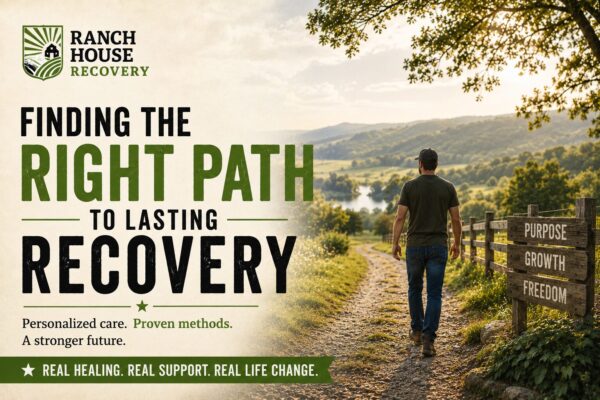
A wellness farm is a residential addiction treatment program where farm work, animal care, and time on the land are built into the clinical model as treatment, not offered as a side activity. The phrase has moved from an obscure clinical term to something close to a national conversation over the last two years, driven partly by federal policy proposals and partly by a cultural reckoning with the limits of short-term, urban, medicalized rehab. As interest grows, so does confusion about what the model actually is.
This guide answers the real questions directly: what a wellness farm is, where the model comes from, whether the research supports it, who it fits, and how to tell a serious program from a place that simply keeps a few chickens. If you or someone you love is in crisis right now, call SAMHSA’s National Helpline at 1-800-662-HELP (4357). It is free, confidential, and runs 24 hours a day.
Quick answer A wellness farm treats the setting itself as part of the medicine. Residents live on a working farm for an extended stay, take part in real agricultural and animal work, and receive licensed clinical care structured around that daily rhythm. For the right person, the change of environment and routine does clinical work that an indoor program cannot.
What a wellness farm actually is
A wellness farm is a residential setting, usually for addiction and sometimes for co-occurring mental health conditions, that uses agricultural work, animal care, time in nature, and a working-farm daily structure as integrated parts of the clinical model. The defining features are consistent across serious programs:
- A working agricultural environment with real crops, gardens, or livestock that residents care for as part of their daily routine.
- A residential setting where residents live on site for weeks or months, rather than a day-program format.
- Integrated clinical care with licensed therapists, medical and psychiatric oversight, and a structured treatment program.
- A community model where residents work, eat, and recover together over an extended stay.
- Distance from urban using environments, which itself functions as a clinical variable.
The model goes by several names depending on which feature is emphasized: therapeutic farming, farm-based rehab, ranch rehab, Regenerative Recovery, or horticultural therapy. The underlying logic is the same. Setting and daily structure are themselves treatment, not background.
Where the model comes from
Wellness farms are not a new invention. The therapeutic-community tradition of the 1960s and 1970s included farm-based recovery settings, and long before that, the inebriate-asylum movement of the late nineteenth and early twentieth centuries used farm environments for treatment, drawing on older monastic and Quaker traditions of recovery work done in rural community.
What is new is the integration of that historical farm-based approach with modern, licensed, evidence-based clinical care. Programs that work today are not repeating 1970s therapeutic-community work or nineteenth-century moral treatment. They combine the strengths of the agricultural setting and community structure with the rigor of contemporary addiction medicine and licensed mental health care.
Why the daily structure of a farm matters clinically
The case for wellness farms does not rest on aesthetics. It rests on several specific mechanisms that research has been clarifying for two decades.
Circadian regulation
Early recovery brains do poorly with disrupted sleep and irregular schedules. Animals need feeding at set times, daylight work has to happen during daylight, and sleep falls into alignment with sunrise and sunset whether a person plans it or not. Substance use is well documented to disrupt sleep, and restoring a regular sleep-wake rhythm matters for early recovery. A working farm imposes a circadian discipline that is nearly impossible to replicate indoors.
Physical work and the recovery brain
A growing body of evidence supports physical activity as a clinically meaningful part of substance use treatment, with effects on mood, craving, anxiety, and sleep. Farm work is exactly the kind of moderate-intensity, sustained, outdoor activity that literature points to. The National Institute on Drug Abuse recognizes the role of comprehensive, lifestyle-based interventions in producing durable recovery outcomes.
The visible cause and effect of growing food
People in active addiction have usually lost the experience of consistent, visible cause and effect between effort and result. Growing food restores it. You plant a seed, tend it, and months later eat what you grew, then repeat the cycle with a garden bed, with chickens, with a season of corn. For men in early recovery, who often arrive with a badly damaged sense of competence, this matters more than it sounds like it should.
Animal-assisted work
Most working farms involve animals, and the clinical literature on human-animal interaction in mental health and addiction settings is substantial. Caring for animals requires emotional regulation that is hard to fake, demands clear nonverbal communication, and often produces the first non-judgmental connection a person in early recovery has felt in years.
Community and shared work
Recovery requires connection, and active addiction destroys it. A working-farm structure places a small group in real, shared, daily work over weeks and months. The relationships that form in that context tend to have a density that a group-therapy room cannot easily produce.
Wellness farm vs. luxury rehab vs. traditional residential
These three categories are often confused, but the difference comes down to how the setting is used.
| Model | How the setting is used | Best fit for |
| Wellness farm | Farm work, animal care, and the land are built into the clinical day as treatment, not offered as a side activity. | People who need a full environment change and to rebuild daily self-regulation through structured outdoor work. |
| Luxury rehab | The setting is defined by amenities such as private rooms, spa services, and scenery; clinical work happens indoors alongside them. | People prioritizing comfort and privacy. Clinical quality varies independently of the amenities. |
| Traditional residential | An indoor building with a clinical schedule: group work, individual therapy, and recovery meetings. | People who do well with a structured indoor clinical program close to services. |
A person who needs to physically separate from an urban using environment and rebuild basic self-regulation through structured outdoor work is usually a better fit for a real wellness farm than for a luxury facility or a clinical building, however comfortable that building is.
Who wellness farms work well for, and who they do not
The clinical fit tends to be strongest for:
- People with moderate-to-severe substance use disorders, including fentanyl, methamphetamine, or polysubstance use, who need a full setting and structural change.
- People whose home environment is high-risk for relapse, with using social circles or easy access.
- Men in early recovery, who often respond well to the combination of physical work, animal interaction, and community-based clinical care.
- People who have tried shorter, conventional residential treatment that did not hold.
A wellness farm is usually less suitable for someone who needs acute psychiatric stabilization, someone whose medical needs require hospital-level care, and someone whose home environment is already stable enough for outpatient care to work. A reputable program will tell you honestly when a different level of care should come first.
What to look for in a wellness farm program
Not every program with a garden is a wellness farm in the clinical sense. The markers of a real, integrated program:
- Licensed clinicians on staff with master’s or doctoral-level credentials.
- A clinical model the staff can describe in one sentence. A pile of buzzwords is a warning sign.
- Agricultural and animal work integrated into the clinical day, not run parallel to it. If the farm activity happens once a week and everything else is standard residential, the farm part is cosmetic.
- An extended length of stay. The work the setting enables usually takes longer than 30 days.
- Verifiable photos and tours. Real farms show their actual operation.
- A specific population they serve well. Programs that try to be everything for everyone rarely serve anyone well.
For a closer look at the day-to-day at a working program, the Ranch House Recovery wellness farm page walks through what residents actually do and how the agricultural work integrates with clinical care.
What a wellness farm costs
Wellness farm pricing is broadly in line with other residential treatment in Texas, with private-pay rates for a 30-day stay often ranging from about $15,000 to $45,000 and longer stays priced proportionally. Payment models differ from program to program. Some work with commercial insurance, while others, including Ranch House Recovery, are private-pay and do not accept insurance, offering flexible payment arrangements instead. Whatever the model, ask for clear cost information in writing before admission. The federal FindTreatment.gov locator can help you find accredited programs and confirm how each one handles payment, without the lead-generation clutter that dominates search results.
How wellness farms relate to other land-based recovery
Wellness farms overlap with other land-based models. Therapeutic farming is the specific modality of using agricultural work as part of treatment, while broader ranch-based programs may emphasize livestock and equine work over crops. The labels matter less than the underlying clinical integration. What unites all of them is the recognition that setting is not background: for the right person, in the right phase of recovery, a working land-based environment can do clinical work that an indoor setting cannot.
Where Ranch House Recovery fits
Ranch House Recovery is a long-term residential addiction treatment program for men, set on a working ranch near Austin, in Elgin, Texas. Its wellness-farm components, including gardens, animals, and daily agricultural work, are integrated with licensed clinical care, the Twelve Steps, family involvement, and an extended length of stay built around what research supports for durable recovery. This is the heart of the program’s Regenerative Recovery model. Detox is coordinated through trusted partner facilities rather than provided on site, so stabilization happens under appropriate medical supervision before residential work begins. For the thinking behind why the program was built this way, the philosophy page is a short read, and the men’s residential program page explains who it serves.
Frequently asked questions
Is a wellness farm just a luxury rehab with a better view?
No. Luxury rehab is defined by amenities like private rooms, spa services, and scenery, with clinical work happening indoors alongside them. A wellness farm uses the farm itself as treatment: residents do real agricultural work, care for animals, and follow a working-farm daily structure that is built into the clinical program. The setting is the therapy, not the backdrop.
Does a wellness farm provide medical detox?
Usually not on site. Detox is a short, medically supervised process for managing withdrawal safely, and it comes before the therapeutic work a wellness farm does. Many farm-based programs, including Ranch House Recovery, coordinate detox through trusted partner facilities first, then begin residential care once a person is stabilized.
How long is a typical stay at a wellness farm?
Longer than the standard 30 days. The changes a working-farm setting is designed to produce, including restored routine, physical conditioning, and durable community, take time to build. Research on residential treatment consistently associates stays of 90 days or more with better long-term outcomes, and most serious wellness farm programs are built around extended lengths of stay rather than a fixed month.
Is there real research behind farm-based recovery?
Yes, though it is usually described by mechanism rather than by the label wellness farm. The clinical case draws on well-documented findings about sleep and circadian regulation in early recovery, the role of regular physical activity in reducing craving and improving mood, the benefits of animal-assisted work, and the importance of community and connection. Federal bodies such as the National Institute on Drug Abuse recognize comprehensive, lifestyle-based approaches as part of effective treatment.
Who is a wellness farm not a good fit for?
A wellness farm is less suitable for someone who needs acute psychiatric stabilization, someone with medical needs that require hospital-level care, and someone whose home environment is already stable and supportive enough that outpatient care can work. In those cases a different level of care usually comes first, and a reputable program will tell you so.
Does Ranch House Recovery accept insurance?
No. Ranch House Recovery is private-pay and does not accept insurance. The program offers flexible payment options and walks families through the details before admission. It is a men’s-only residential program on a working ranch near Austin, Texas.
The bottom line
Wellness farms are not a trend, and they are not a luxury. They are a treatment model with deep historical roots, growing clinical credibility, and a particular fit for people who need the kind of comprehensive setting change an indoor program cannot provide. If shorter, indoor, conventional treatment has not held, the variable to change is not the willpower of the person in recovery. It is the model. For the right person, in the right phase of recovery, a real wellness farm can be the change that finally takes.
Talk with our admissions team
If a working-ranch environment sounds like the right structure for you or the man you love, Ranch House Recovery is here to help. We will give you a straight read on level of care, even when that means pointing you toward another program first. There is no pressure and no judgment. Call (512) 525-8175 or visit our admissions page to start the conversation.
About the Author
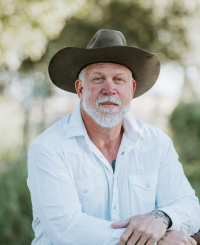
Brandon Guinn
Founder & CEO, Ranch House Recovery
Brandon Guinn founded Ranch House Recovery, a community-centered program for men recovering from addiction on a working ranch in Elgin, Texas. As a father whose family was touched by addiction, he built the program around daily structure, honest work, and lasting community.
Read Brandon’s full bio