What Really Happens in Rehab (2026 Day-to-Day Schedule & New Therapies)

What Rehab Actually Looks Like in 2026

If you’ve never been to rehab or only know what it looks like from TV it’s easy to imagine a rigid or intimidating experience. But the truth is very different.

In 2026, rehab has evolved into a science-backed, compassionate, and structured environment designed to restore health, clarity, and connection. It’s not punishment it’s a place to reset your body, retrain your mind, and rebuild your life.

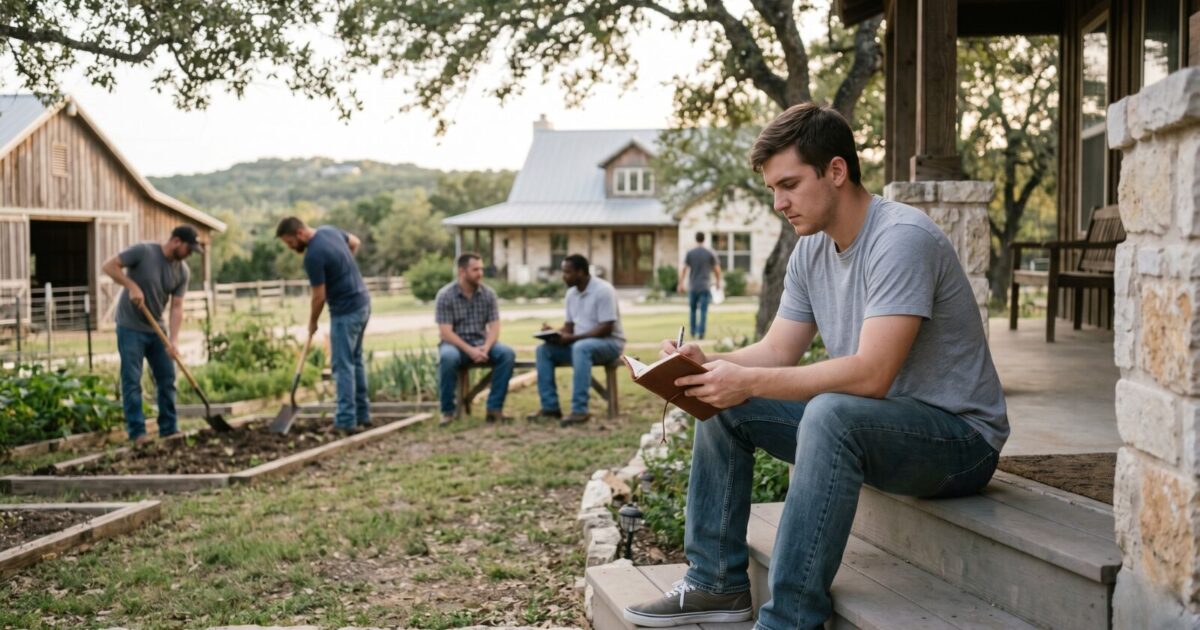
At Ranch House Recovery, each day is intentionally designed to balance therapy, reflection, and community all within a safe, supportive environment. Whether you’re considering treatment for yourself or a loved one, this guide walks you through what actually happens day to day and how new therapies in 2026 are making recovery more effective than ever.


The Purpose of Rehab: More Than Just Sobriety

For decades, rehab was primarily focused on stopping substance use. Today, that’s only the beginning.

The modern approach especially at recovery centers like Ranch House recognizes addiction as a chronic but treatable brain-based condition that affects every aspect of life.

That’s why rehab in 2026 is about:

  • Healing the brain and nervous system
  • Rebuilding emotional resilience
  • Repairing relationships and communication
  • Developing healthy structure and purpose
  • Creating long-term relapse prevention plans

It’s not about “checking into rehab.” It’s about learning how to live again.


A Day in Rehab: What the 2026 Schedule Looks Like

While every recovery center has its own rhythm, most programs follow a structure that blends therapy, routine, and personal growth.

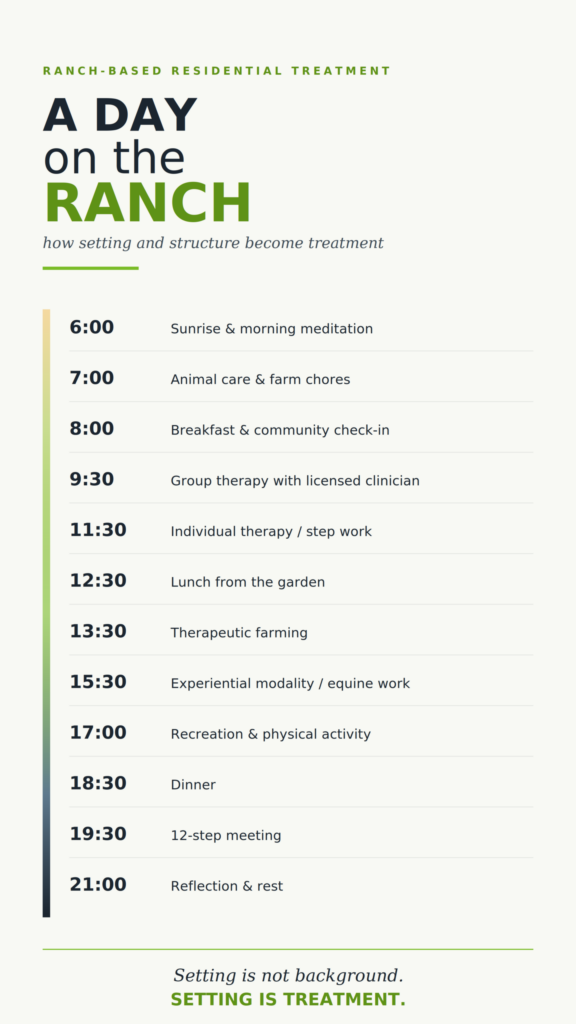
Here’s a look inside a typical day at Ranch House Recovery and similar modern programs:


7:00 AM Morning Mindfulness & Routine

Each day starts with grounding. Clients wake up at consistent times to establish structure and predictability something addiction often erodes.

Morning activities might include:

  • Meditation or breathwork
  • Light exercise or yoga
  • Journaling or gratitude practice
  • Quiet reflection before breakfast

These early rituals help reset the nervous system and build internal calm essential for emotional regulation throughout the day.


8:00 AM Breakfast & Community Check-In

Meals are shared, not rushed. Nutritional recovery is part of healing the brain and body. During breakfast, clients often participate in short group check-ins sharing how they feel and setting intentions for the day.

This sense of community and accountability helps reduce isolation and normalize the recovery process.


9:00 AM Clinical Therapy (Individual or Group)

Morning hours are typically dedicated to clinical therapy the heart of the recovery process.

In 2026, therapy isn’t one-size-fits-all. Each client follows an individualized treatment plan designed by their therapist and care team.

Therapies may include:

  • CBT (Cognitive Behavioral Therapy): Reshaping negative thought patterns
  • DBT (Dialectical Behavior Therapy): Strengthening emotional regulation
  • EMDR (Eye Movement Desensitization and Reprocessing): Processing trauma safely
  • Motivational Interviewing: Building internal motivation to change

In some programs, clients meet one-on-one with therapists several times a week, while others rotate between group and private sessions.


11:00 AM Experiential or Holistic Therapies

After core therapy, clients participate in holistic sessions designed to reconnect body and mind.

These may include:

  • Yoga and mindfulness training
  • Art or music therapy
  • Somatic experiencing (body-based trauma healing)
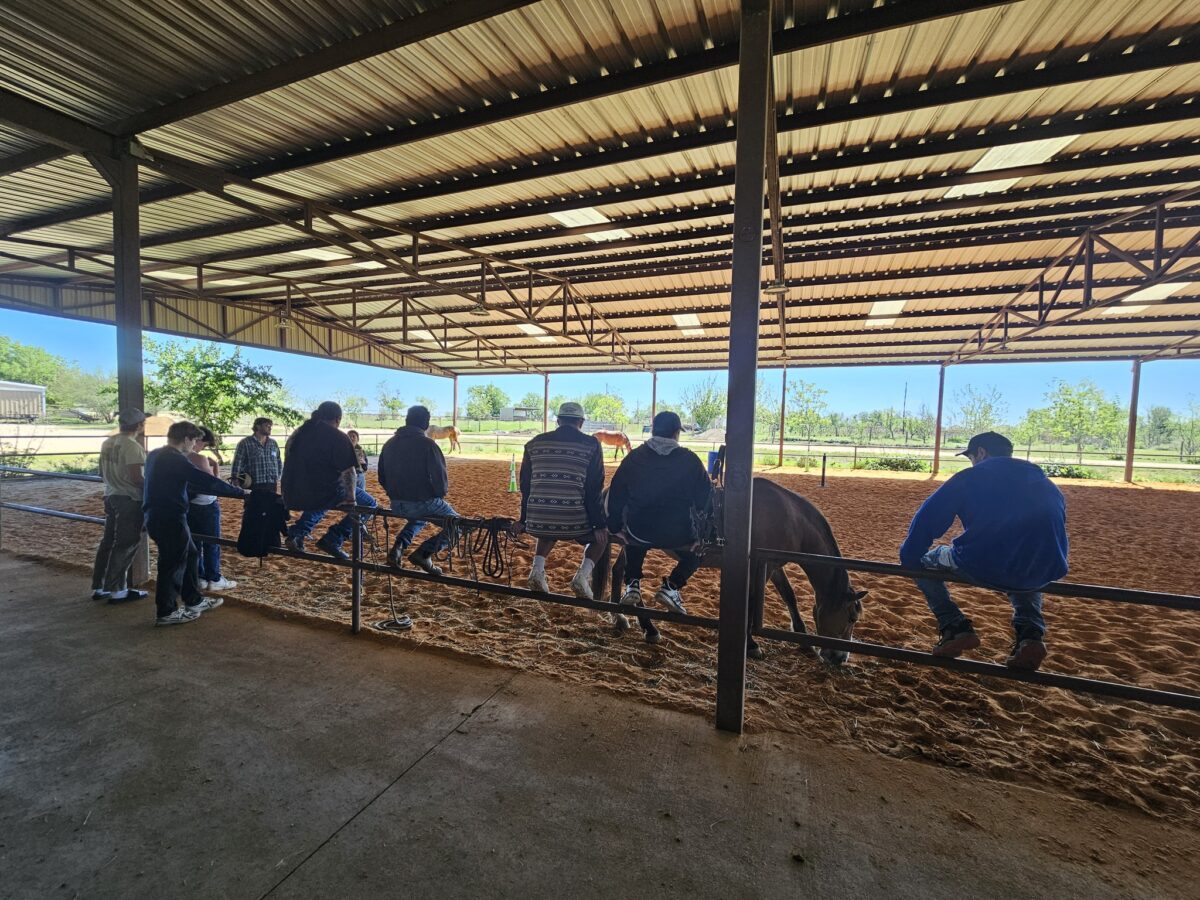
  • Nature walks or equine therapy
  • Breathwork and sound healing

At Ranch House Recovery, the focus is on real-world healing helping clients discover joy, expression, and balance beyond traditional talk therapy.


12:30 PM Lunch & Downtime

Lunch offers another moment of community connection. Nutrition teams ensure balanced meals to support energy and mood stability.

After lunch, clients usually get a brief break time for rest, journaling, or personal reflection.


1:30 PM Educational Workshops & Life Skills Training

Afternoons often focus on recovery education equipping clients with tools to sustain sobriety after leaving treatment.

These sessions might include:

  • Understanding relapse triggers and warning signs
  • Building healthy routines
  • Financial literacy and job readiness
  • Communication and boundary-setting skills
  • Coping with stress and emotional regulation

Workshops are interactive and practical designed to empower independence and confidence in early recovery.


3:00 PM Group Process or Family Therapy

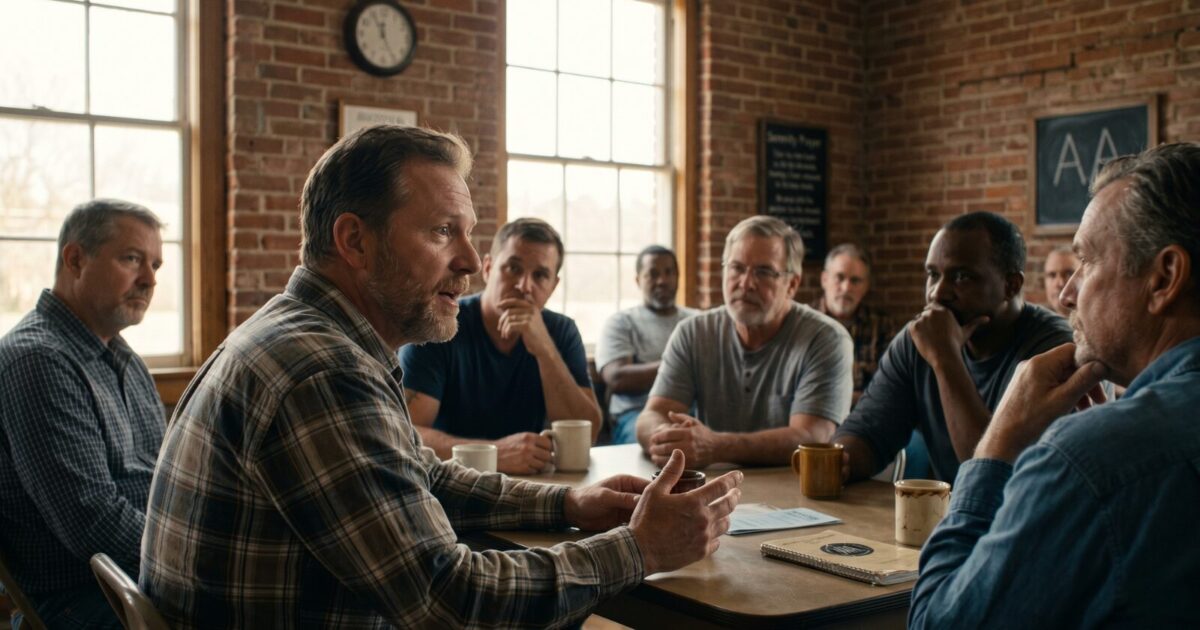
Group sessions foster connection, empathy, and peer accountability.

Participants share personal experiences, celebrate progress, and challenge distorted thinking in a safe, supportive environment.

Once or twice a week, family therapy sessions help loved ones understand addiction dynamics, rebuild trust, and learn how to support recovery without enabling.


4:30 PM Physical or Outdoor Activity

Movement is medicine. Many programs incorporate fitness, outdoor recreation, or sports to strengthen body awareness and self-esteem.

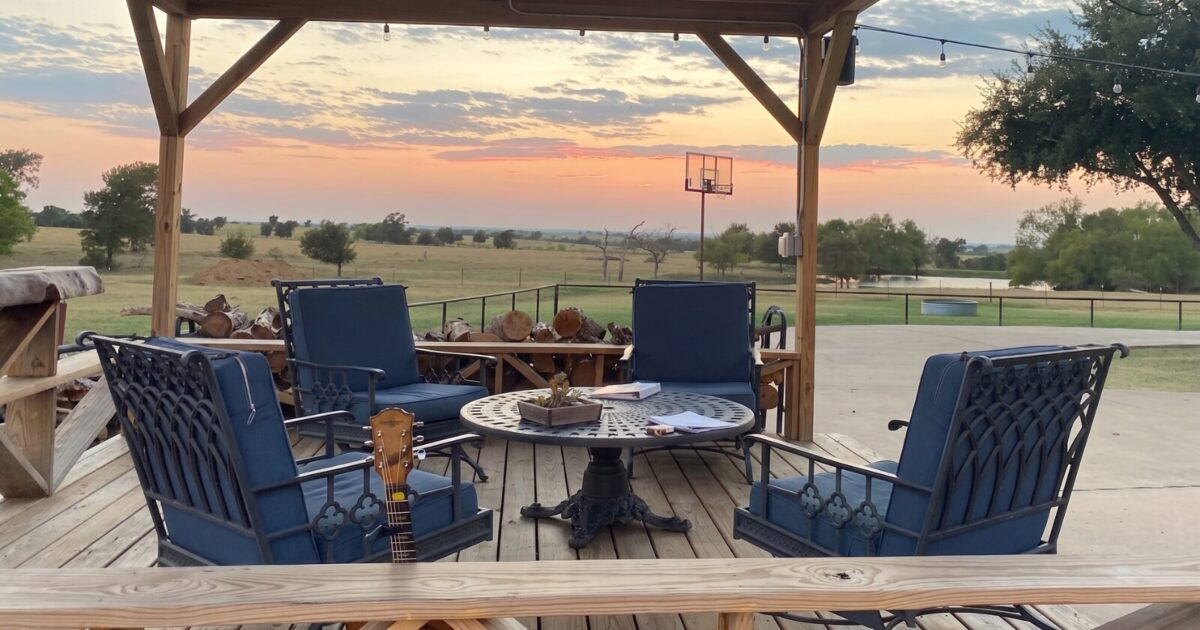
At Ranch House Recovery, clients often participate in hiking, group workouts, or wellness activities that connect physical health with emotional healing.


6:00 PM Dinner & Social Time

Evenings are intentionally calm. Shared meals provide community and routine key elements of long-term recovery.

Clients might enjoy free time, 12-step or SMART Recovery meetings, or relaxed social activities that build connection and belonging.


8:00 PM Evening Reflection & Journaling

The day closes with reflection. Clients write in journals, meditate, or participate in nightly gratitude circles practices proven to improve sleep and emotional stability.

Staff remain available for support throughout the night, ensuring safety and emotional continuity.


How Rehab Has Changed Since 2020

1. Trauma-Informed, Not Punitive

Old-school rehab models often relied on confrontation or “tough love.”
In 2026, centers like Ranch House Recovery take a trauma-informed approach recognizing that addiction is often a survival response to pain.

Treatment now emphasizes:

  • Safety and trust
  • Compassionate accountability
  • Emotional education over shame
  • Collaboration between therapist and client

Healing starts with understanding, not punishment.


2. Integration of Neuroscience

Advances in brain imaging and neurofeedback have transformed how we treat addiction.

Many centers now use EEG-based neurotherapy, biofeedback, and neuroplasticity training to help clients rewire their stress responses and reduce cravings.

This science-backed approach helps clients feel hopeful and empowered, not defective.


3. Personalized and Measurable Care

In 2026, data-driven tools help clinicians track progress in real time.
Mood tracking, sleep monitoring, and cognitive assessments allow programs to adjust therapies dynamically, making treatment more responsive and precise.


4. Longer, Flexible Timelines

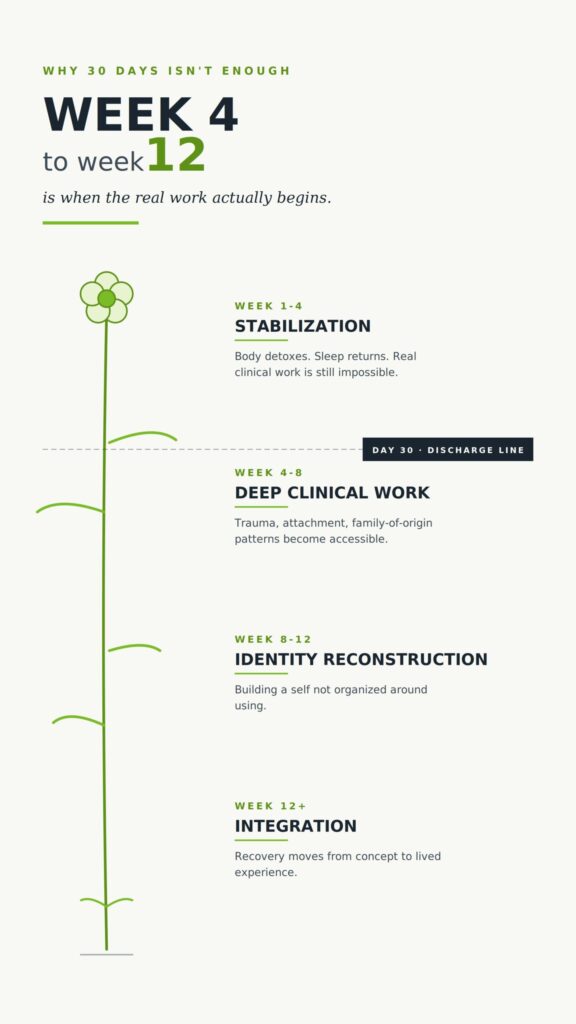
Gone are the rigid “30-day-only” models. Today, clients stay as long as clinically appropriate often 60, 90, or even 120 days, depending on progress and goals.

Programs now adapt to the person, not the calendar.


5. Ongoing Support After Discharge

Rehab no longer ends at graduation.

Modern programs emphasize continuum of care, connecting clients with:

  • Outpatient therapy
  • Alumni networks
  • Peer support groups
  • Virtual aftercare sessions
  • Relapse prevention coaching

This extended structure dramatically improves long-term success rates.


New and Emerging Therapies in 2026

Addiction science continues to evolve. Here are some of the most exciting therapies gaining traction:

1. Virtual Reality (VR) Exposure Therapy

VR allows clients to safely face high-risk triggers (like social settings or stress scenarios) while practicing coping skills with a therapist’s guidance.


2. Neurofeedback and Brain Mapping

These technologies train the brain to achieve calmer, more balanced states, helping reduce anxiety, impulsivity, and cravings.


3. Somatic and Body-Based Trauma Work

Therapies that reconnect clients to their bodies such as somatic experiencing, breathwork, or movement therapy address trauma stored beyond conscious memory.


4. Psychedelic-Assisted Psychotherapy (in Research Settings)

While not yet mainstream, FDA-approved trials for MDMA and psilocybin-assisted therapy continue to show promise for treatment-resistant addiction and PTSD.

By 2026, these therapies are cautiously being integrated into clinical research settings, not general rehab centers but they represent a future frontier in holistic healing.


5. Digital Recovery Companions

AI-powered apps now support relapse prevention, journaling, and stress tracking between therapy sessions extending clinical support beyond rehab walls.


Life After Rehab: What Comes Next

Rehab is the beginning, not the end.

At Ranch House Recovery, discharge planning begins early ensuring every client has a personalized aftercare plan that includes:

  • Outpatient therapy or coaching
  • Sober living recommendations
  • Family reintegration support
  • Recovery community connections
  • Vocational or educational resources

Clients also stay connected through alumni programs, support calls, and continued check-ins a critical factor in sustaining sobriety.


The Ranch House Recovery Difference

At Ranch House Recovery, we believe recovery should feel human, structured, and hopeful not sterile or impersonal.

Our daily schedule is designed to help clients rediscover self-worth and belonging through:

  • Evidence-based therapies
  • Peer and community connection
  • Mind-body wellness practices
  • Consistent, compassionate guidance

Because when people feel safe and supported, real healing can finally begin.


Closing Thoughts: What Happens in Rehab Is What Changes You

The day-to-day rhythm of rehab therapy, reflection, meals, movement might sound simple. But in recovery, structure is healing.

What happens in rehab is a process of rebuilding the mind and body one hour at a time.

In 2026, addiction treatment is more advanced, humane, and empowering than ever. And for many who walk through those doors, that first day in rehab marks the start of something even more powerful the day they start believing in life again.

How to Convince Someone to Go to Rehab in 2026: Modern Motivational Approaches

When Caring Isn’t Enough Anymore

You’ve watched someone you love struggle. You’ve pleaded, reasoned, and worried through sleepless nights but nothing changes. They say they’re fine. They promise to stop “tomorrow.”
Yet deep down, you know help can’t wait.

If this feels familiar, you’re not alone. Convincing someone to go to rehab is one of the hardest things families face. But the good news is that approaches to motivating people into treatment have evolved dramatically by 2026 blending neuroscience, trauma awareness, and evidence-based family communication strategies.

At Ranch House Recovery, we’ve seen these new methods work not through force or guilt, but through connection, understanding, and persistence.


Why People Resist Help Even When They Know They Need It

It’s easy to assume denial is about pride or stubbornness, but modern psychology tells a deeper story.
By 2026, researchers have identified several common reasons people refuse treatment:

  • Shame and stigma — Fear of being labeled an “addict” or “failure.”
  • Fear of withdrawal — Especially with opioids or alcohol, the idea of detox can be terrifying.
  • Loss of control — Admitting a problem means letting others make decisions a deeply vulnerable act.
  • Cognitive changes — Substance use alters brain regions responsible for decision-making and motivation.
  • Hopelessness — Many truly believe recovery won’t work for them.

Understanding these barriers helps shift your approach from confrontation to compassion which is the foundation of all modern motivational strategies.


2. The Shift to Motivational Approaches in 2026

Gone are the days of the “tough love” model where families stage dramatic confrontations.
Today, evidence-based motivational models are leading the way including:

  • Motivational Interviewing (MI): A collaborative, non-judgmental style of conversation that helps people recognize their own reasons for change.
  • CRAFT (Community Reinforcement and Family Training): A family-based approach proven to increase treatment entry rates by up to 64%.
  • Trauma-Informed Dialogue: Understanding that defensiveness often comes from fear or past pain not resistance to you.
  • Contingency Support Systems: Linking treatment acceptance with meaningful rewards (like family contact or housing stability).

These models work because they replace pressure with partnership focusing on building trust instead of forcing compliance.


3. Scripts That Work: What to Say (and What Not to Say)

When someone you love is spiraling, your words matter more than you think.
Here are some tested 2026 communication scripts based on motivational interviewing and CRAFT:

Say This:

  • “I’ve noticed how tired you’ve been lately. I’m worried about how this is affecting your health.”
  • “You deserve support not judgment. Would you be open to exploring some options together?”
  • “You don’t have to decide today. I just want to understand what’s holding you back.”

🚫 Avoid This:

  • “You need to stop or I’m done with you.”
  • “You’re ruining your life and ours.”
  • “If you cared, you’d get help.”

Modern interventions emphasize collaboration, not coercion. The goal is to open a door, not force someone through it.


4. The Role of Family Coaching and Intervention Specialists

By 2026, family coaching has become one of the fastest-growing fields in addiction recovery.
These professionals help families:

  • Learn communication frameworks like CRAFT.
  • Set healthy boundaries without abandoning compassion.
  • Coordinate with licensed interventionists and treatment centers.

At Ranch House Recovery, we often see families reach breakthroughs only after learning how to stop arguing and start aligning. The moment the family system shifts, the person in crisis often follows.


5. What to Do If They Still Say No

Even with the right words and the right approach, you might still hear “no.”
That’s not failure it’s part of the process.

Here’s what modern research suggests to do next:

  • Keep showing up — Consistency matters more than intensity.
  • Model recovery values — Take care of yourself, set routines, and live the message.
  • Reduce “enabling” patterns — Avoid shielding them from consequences, but keep the door open for help.
  • Stay connected with professionals — Even one supportive conversation can shift their mindset later.

A 2025 Journal of Behavioral Health study found that people exposed to repeated supportive discussions about treatment were twice as likely to seek rehab within six months.


6. How Rehab Looks Different in 2026 (and Why That Matters)

Another reason people used to resist treatment? Fear of the unknown.
But rehab in 2026 isn’t what it was a decade ago. At Ranch House Recovery and similar centers, programs now emphasize:

  • Individualized timelines — No one-size-fits-all “30 days.”
  • Holistic modalities — Mindfulness, somatic therapy, and nutrition for body-brain healing.
  • Peer-driven accountability — Small communities where residents support each other’s progress.
  • Integration planning — Transitioning safely from inpatient care to community life.

Modern programs are designed to feel less like punishment and more like restoration.


7. Taking the First Step Even If They’re Not Ready

Here’s a truth we see every day: you can start the process before they do.
Families often contact Ranch House Recovery to gather information, get coached on language, or explore soft-intake options where a person can visit, talk to staff, or attend a virtual session before fully committing.

Sometimes, seeing that rehab isn’t a locked ward but a healing space makes all the difference.


Conclusion: Hope Isn’t Lost It’s Built

Convincing someone to go to rehab in 2026 isn’t about breaking them down it’s about building a bridge between fear and hope.

The conversation starts with empathy, continues with education, and succeeds with persistence.
And at every step, you don’t have to walk it alone.

If you’re ready to start that conversation or just need to know what to say next Ranch House Recovery is here to help.

Does Rehab Really Work? 2026 Success Rates, Innovations, and What’s Coming by 2030

The Question Every Family Asks

Every year, hundreds of thousands of families reach a moment of decision the point where they must ask:
“Does rehab actually work?”

It’s a fair and deeply human question. Rehab requires time, trust, and often a major financial commitment. In 2026, with so many treatment options, data claims, and new “quick-fix” approaches online, families want more than hope they want proof.

At Ranch House Recovery, we believe transparency is part of healing. So, let’s take an honest look at what the latest research says about rehab success rates, what’s changing in recovery outcomes, and what the future holds as we approach 2030.


1. Defining “Success” in Recovery (and Why It’s Not Just Sobriety)

Before we can talk about whether rehab “works,” we have to define what success means.

For decades, success in addiction treatment was measured almost exclusively by abstinence whether someone stayed completely sober after leaving rehab.
But in 2026, researchers and clinicians take a more comprehensive view.

Today, recovery success includes:

  • Improved mental health stability
  • Repaired family relationships
  • Employment or education progress
  • Reduced relapse severity or duration
  • Sustained connection to support systems

A person may relapse but still be living in recovery if they’re learning, reconnecting, and continuing to grow. The shift toward “long-term functional recovery” not perfection marks one of the biggest philosophical changes since 2020.


2. What the Numbers Actually Show (2026 Rehab Success Rates)

Data transparency has improved dramatically thanks to national tracking programs like SAMHSA’s 2025 Recovery Outcomes Initiative.

Here’s what current studies reveal about success rates:

  • 60–70% of clients in structured, evidence-based residential programs report improved functioning and quality of life one year after treatment.
  • 35–40% maintain complete sobriety at one year consistent with rates for other chronic health conditions like diabetes or hypertension.
  • Participation in aftercare (such as sober living, alumni programs, or continued therapy) increases success likelihood by up to 60%.
  • Longer stays (90+ days) correlate with the most sustainable outcomes as short-term detox alone rarely provides long-term recovery.

The takeaway? Rehab absolutely works when it’s personalized, evidence-based, and followed by continuing care.


3. Why 2026 Rehab Programs Are More Effective Than Ever

Between 2020 and 2026, the treatment landscape has evolved more than in the previous two decades combined.
Here’s what’s changed and why outcomes are improving:

A. Precision-Based Treatment Plans

Thanks to advances in genetic screening, trauma mapping, and AI-assisted assessments, modern rehab programs can identify the root causes of addiction faster and tailor interventions more precisely.

B. Integration of Mental Health Care

By 2026, dual-diagnosis treatment isn’t optional it’s standard. Treating anxiety, depression, or PTSD alongside addiction improves success rates by nearly 45%, according to the National Institute on Drug Abuse (NIDA).

C. Neurobiological and Somatic Therapies

From neurofeedback and transcranial magnetic stimulation (TMS) to somatic experiencing and EMDR, rehab is no longer talk therapy alone. These tools help rewire the brain’s reward pathways and reduce relapse risk.

D. Community and Connection

At Ranch House Recovery, and many like it, smaller, peer-based programs emphasize accountability, daily structure, and emotional safety elements that research shows are just as critical as medication or therapy.


4. Common Myths About Rehab Success

Let’s clear up a few misconceptions that still circulate especially online.

Myth 1: “Rehab doesn’t work because people relapse.”
→ Truth: Relapse is not failure; it’s part of the chronic disease cycle. Each attempt at treatment increases long-term success likelihood.

Myth 2: “30 days is enough.”
→ Truth: Modern data shows that recovery stabilizes after 90 days or longer. Short-term programs are often the first step, not the finish line.

Myth 3: “People have to hit rock bottom.”
→ Truth: Intervention science shows early treatment leads to faster recovery and less severe outcomes.

Myth 4: “All rehabs are the same.”
→ Truth: Outcomes vary widely depending on the program’s philosophy, staff qualifications, and aftercare structure. Personalized care matters.


5. The Future of Recovery: 2026–2030

The next five years promise even more breakthroughs blending science, technology, and humanity in unprecedented ways.
Here’s a glimpse of what’s coming:

1. AI-Powered Relapse Prediction

Wearables and mobile apps will track stress, sleep, and mood changes alerting users and support teams to early relapse warning signs.

2. Psychedelic-Assisted Therapies

Clinical trials for psilocybin-assisted therapy for alcohol and opioid use disorders continue to show promise, with remission rates up to 60% after structured sessions.

3. Virtual Recovery Ecosystems

Telehealth, digital peer groups, and virtual support communities are making recovery more accessible and less isolating than ever.

4. Data-Driven Accountability Networks

Programs are beginning to share anonymized progress data to improve collective learning across treatment centers making outcomes measurable and transparent.

5. Expanded Recovery Housing

As research highlights the importance of post-rehab structure, more funding is flowing into recovery housing, ensuring individuals aren’t left unsupported after discharge.


6. What Ranch House Recovery Is Doing Differently

At Ranch House Recovery, we’ve always believed that lasting recovery grows from connection, purpose, and daily structure.
That’s why our programs are designed around:

  • Small, tight-knit communities instead of large facilities.
  • Active recovery practices exercise, meditation, and accountability routines.
  • Holistic care for body, mind, and spirit.
  • Individualized treatment plans that evolve as the client does.

Our team stays grounded in evidence but guided by compassion. Because while numbers matter, recovery is always personal.


7. Final Thoughts: What “Works” Means in 2026

So, does rehab really work?

Absolutely when it’s approached as a journey, not an event.
The science is clear: consistent care, emotional connection, and modern, evidence-based programs change lives every single day.

Rehab doesn’t just stop addiction. It rebuilds identity, restores families, and rewires hope.

At Ranch House Recovery, that’s not a promise it’s what we see, every day, in real time.

How Much Does Rehab Cost in 2026? Insurance, Cash Pay & New Funding Options

One of the biggest questions when someone is facing addiction treatment is: “How much will this cost?” In 2026, the cost of rehab continues to vary widely, but insurance options, payment plans, and innovative funding pathways are making treatment more accessible than ever. At Ranch House Recovery we emphasise transparency around cost so families can plan and act without overwhelming financial surprise.

This article breaks down: typical cost ranges, how insurance works, cash pay and self-pay options, and newer funding models emerging in 2026.


What Impacts the Cost of Rehab?

Several factors influence how much rehab will cost:

  • Level of care – inpatient/residential (“live-in”) treatment costs more than outpatient.
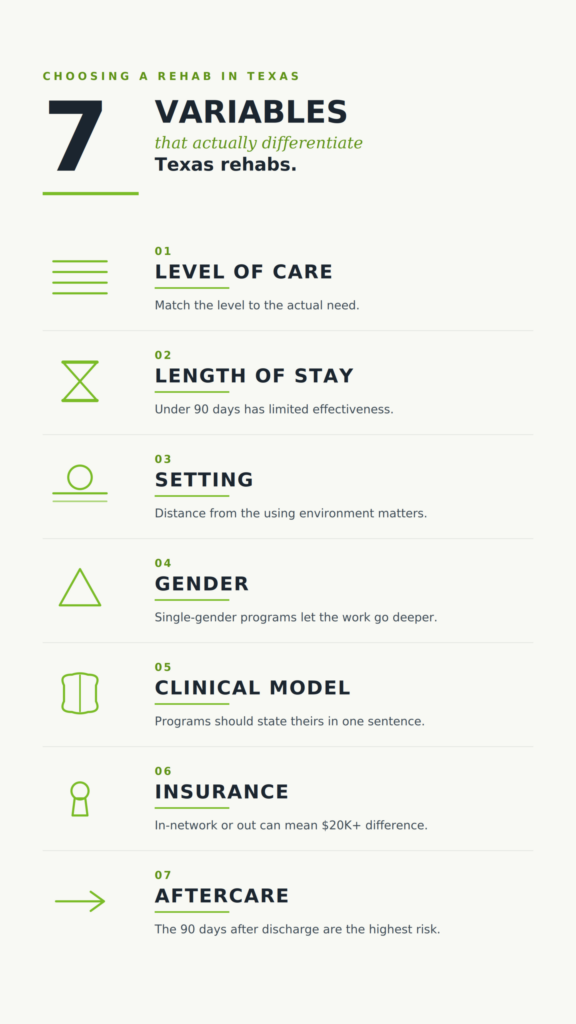
  • Duration of stay – 30 days, 60 days, 90 days, longer programs cost more.
  • Location & facilities – luxury amenities, remote settings, holistic therapies raise cost.
  • Co-occurring disorders & complexity – if someone has a dual diagnosis (mental health + addiction) or medical complications, cost goes up.
  • Insurance/network status – whether the facility is in-network for the person’s insurance plan affects out-of-pocket cost.
  • Aftercare & support services – some programs include extended alumni support, sober-living, which add cost but increase value.

Typical Cost Ranges in 2026

Here are general figures and what they reflect (note: all approximate and vary by region and facility):

  • A standard 30-day residential program may range from $6,000 to $30,000+ without insurance.
  • The average cost of residential addiction treatment is quoted around $42,500 in one aggregate survey.
  • Daily cost in some private facilities can run $500-$650 per day.
  • Outpatient programs tend to cost much less perhaps from $2,000 up to $19,500+ depending on intensity and length.
  • Some very high-end or luxury programs exceed these amounts significantly, depending on amenities, location, length.

What this means: Cost is very variable. What matters most is matching the level of care to the individual’s needs cost should align with value (clinical effectiveness), not just price.


How Insurance Works for Rehab in 2026

Insurance is a major factor in making rehab affordable. Here’s how it works and what to check:

Coverage Basics

  • Under the Affordable Care Act (ACA) and mental health/substance use parity laws, many health plans must cover substance use disorder treatment.
  • Most private insurance plans cover at least outpatient or inpatient treatment, but exact benefits vary widely.
  • Important to verify: Whether the facility is in-network, what the deductible/copay is, what the required authorisation process looks like.

Things to Ask

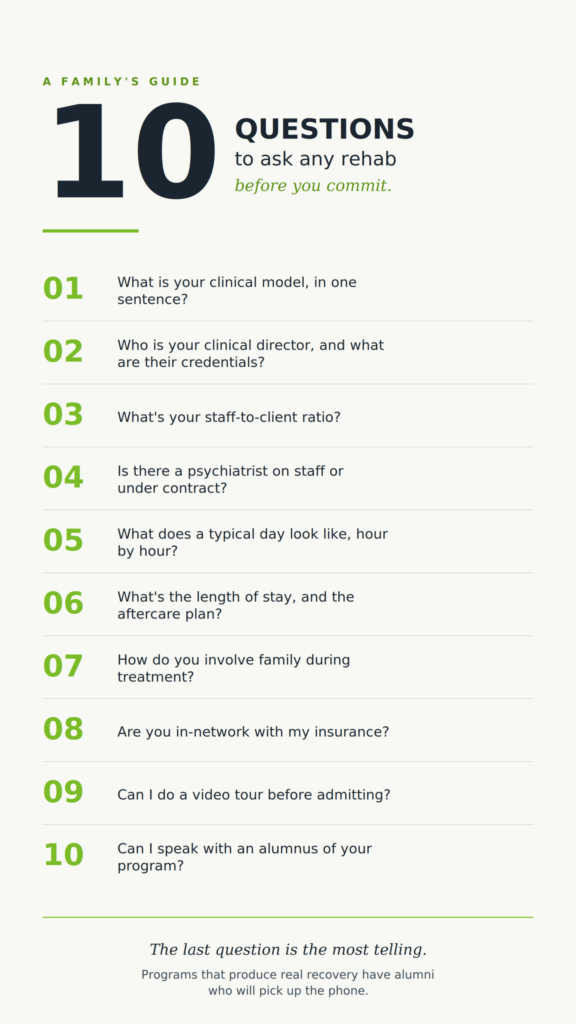
  • “Is this facility in-network for my insurance?”
  • “What level of care (detox, residential, outpatient) is covered under my plan?”
  • “What out-of-pocket costs (deductible, copay, non-covered services) should I anticipate?”
  • “Does the insurer require pre-authorization or certain documentation to approve treatment?”

Insurance + Rehab Cost Example

If someone enters a 30-day residential program costing ~$20,000:

  • Insurance might cover a large portion if the facility is in-network and the benefit is approved.
  • The family may still owe part of the deductible, copay, or any services not covered.
  • Without insurance, the full cost would be out-of‐pocket.

Cash Pay, Self-Pay & Sliding Scale Options

For those without strong insurance coverage, or those choosing facilities not covered by insurance, other funding paths exist:

  • Cash pay/self-pay: Paying directly out-of-pocket. Some facilities offer discounts for upfront payment.
  • Sliding scale & scholarships: Non-profit and some private facilities may offer reduced rates based on need.
  • Payment plans/financing: Some rehab centers allow payment over time or credit options.
  • State/local public funding: Some states have publicly funded treatment slots for people without resources.
  • Employer benefit or EAP (Employee Assistance Program): Some workplaces offer assistance for addiction treatment.
  • Veterans/military benefits: Veterans may have access to specific funding or programs for addiction recovery.

New & Emerging Funding Options in 2026

2026 has seen some newer innovations making treatment more accessible financially:

  • Hybrid treatment models: Some programs combine inpatient start + outpatient follow-up, which can reduce full cost.
  • Outcome-based funding: Some facilities offer “value-based” payment models where cost is tied to engagement or milestones.
  • Technology-linked care: Virtual therapy or digital check-in components reduce facility cost while maintaining care quality.
  • Insurance benefit expansion: More insurers offering broader coverage for addiction treatment following mental health parity enforcement.
  • Community & employer partnerships: Some companies partner with treatment centers to support employees’ recovery, reducing cost burden for families.

How to Evaluate Cost vs Value

When considering cost of rehab, focus not just on price, but on value. Ask:

  • What therapies and supports are included (medical detox, therapy, aftercare, alumni support)?
  • What is the facility’s track record or outcomes?
  • Does the level of care match the person’s risk/complexity (dual diagnosis, relapse history)?
  • What is the out-of-pocket cost after insurance or funding?
  • What ongoing support exists after initial treatment (which reduces relapse risk and increases value)?

Remember: A lower cost program might save money upfront, but if it doesn’t meet needs, it can cost more in the long run through relapse, hospitalisations, lost opportunities.


Cost Breakdown Example: Ranch House Recovery

While exact figures vary by individual, here’s a hypothetical cost breakdown for Ranch House Recovery for illustrative purposes (please contact the facility for actual rates):

  • Admission assessment & detox stabilization – included in residential cost.
  • Residential stay (30 days) – base cost (e.g., $X,000) before insurance.
  • Outpatient/aftercare component – additional, depending on length and services.
  • Insurance coordination – financial team works with payer to maximise coverage.
  • Cash pay discount and scholarship options – may apply depending on need.

Families should speak with Ranch House Recovery’s admissions/financial team to verify insurance, cash pay options, and any available funding.


Frequently Asked Questions (FAQ)

Q1. Does insurance always cover rehab?
A: Not always. While most plans must cover substance use disorder treatment under the ACA and parity laws, coverage level, in-network status, and service types vary widely. Always verify your benefits.

Q2. How much will I have to pay out-of-pocket?
A: That depends on your insurance plan (deductible, copay), whether the facility is in-network, and what level of care is needed. Many pay very little; others may pay thousands.

Q3. Are there low‐cost or free rehab options?
A: Yes. Publicly funded programs, state grant slots, sliding‐scale centres exist. Also outpatient programs tend to cost less than residential. See Ranges above.

Q4. What about luxury rehab centres?
A: Luxury or destination rehab centres often cost substantially more due to amenities (private rooms, high staff-to-client ratio, premium services). These aren’t required for effective treatment.

Q5. Is cost an indicator of quality?
A: Not always. Quality depends on clinical staff, evidence-based therapies, aftercare support, and match to individual need, more than price alone.


Conclusion

Understanding “how much does rehab cost” in 2026 means looking beyond a single dollar figure and considering coverage, level of care, duration, and long-term value. At Ranch House Recovery, we work with families to clarify cost, navigate insurance, explore self-pay or funding alternatives, and ensure the right level of care is selected.

Treatment is an investment in health, relationships, life. When budget is a concern, reach out and explore all options rather than delaying help. Because cost matters, but waiting often costs more.

The Role of Community Service in Building Lasting Recovery

A growing body of research suggests that service work is one of the strongest predictors of sustained recovery. A 2024 report from Alcohol Research: Current Reviews noted that people who engaged in volunteerism during recovery had higher rates of long-term abstinence and lower relapse risk compared to those who did not (NIH, 2024).

That finding echoes what we’ve seen at Ranch House Recovery, located just outside Austin in Elgin, Texas. For us, service isn’t an optional add-on—it’s part of the foundation of effective addiction treatment in Austin, TX.


Why Service Matters

Addiction shrinks the world. It narrows focus to self and substance, often at the expense of family, friendships, and community. Service work does the opposite.

  • Reconnection: Helping others reminds men that they’re part of something larger than themselves.
  • Accountability: Commitments to service groups create responsibility that extends beyond treatment.
  • Identity Shift: Instead of “addict” or “patient,” men begin to see themselves as helpers, leaders, and contributors.
  • Stigma Reduction: Visible service challenges stereotypes about addiction and humanizes recovery in the eyes of the community.

Service at Ranch House Recovery

Every week, our residents step outside the ranch and into Elgin to volunteer. Sometimes it’s supporting local food banks. Other times it’s working at Simple Promise Farms or lending a hand at community events.

Founder Brandon Guinn explains the philosophy simply:

“Addiction is isolating. Service is connecting. The best way to heal is to get outside of yourself and help someone else.”


Stories of Impact

We’ve seen men who once avoided all responsibility come alive in service. One resident described volunteering at a local church event:

“People thanked me for being there. They didn’t know my past they just saw me helping. That changed how I saw myself too.”

These moments matter. They’re not abstract they’re lived experiences that create confidence, purpose, and belonging.


The Bigger Picture

Recovery doesn’t end at the ranch. When men graduate from our program, many continue their service, building lives that ripple outward into families, neighborhoods, and workplaces. In this way, recovery stops being an individual journey and becomes a community transformation.


Closing Thought:

Service reminds us that we’re not defined by what broke us, but by what we give back. At Ranch House Recovery, it’s more than a program element it’s the heart of how we help men build lives worth protecting.

When men step into service, they step into a new identity. They are no longer defined by their past struggles but by their contributions, their integrity, and their role in strengthening the communities around them. This transformation doesn’t just benefit the individual it radiates outward, creating stronger families, healthier neighborhoods, and workplaces rooted in resilience.

Community service is also one of the most practical ways to sustain recovery long-term. Research shows that men who remain engaged in service after leaving structured programs have higher rates of sobriety and a lower risk of relapse. At Ranch House, we encourage graduates to carry this mindset forward, whether through mentoring, volunteering, or simply showing up as reliable and caring members of their communities.

Ultimately, the journey of recovery is not only about healing oneself it’s about rediscovering the power to make a positive impact. For anyone searching for meaningful, community-rooted addiction treatment in Austin, TX, our approach blends clinical support with real-world purpose, giving men the tools to build lives of dignity, service, and hope.

From Relapse Risk to Resilience: Why Farming and Animal Care Work in Addiction Recovery

Relapse is one of the hardest realities of recovery. According to a recent 2024 review of relapse models, up to 60% of individuals relapse within a year of treatment, even when they’re highly In February 2025, the Centers for Disease Control and Prevention (CDC) released provisional data showing that U.S. drug overdose deaths dropped nearly 24% over the prior year. That translates to about 27,000 fewer lives lost compared to 2023 an unprecedented shift after years of record-high fatalities.

As Dr. Allison Arwady, Director of CDC’s National Center for Injury Prevention and Control, put it:

“That’s more than 70 lives saved every single day.” (CDC, Feb 2025)

For families, practitioners, and communities across Texas, this data offers hope. Yet it also carries a sobering reminder: overdose remains the leading cause of death for adults ages 18–44. Progress doesn’t mean the crisis is over it means the fight has entered a new chapter.

Why the Decline Matters But Isn’t Enough

The CDC credits the decline to expanded naloxone distribution, increased use of medications for opioid use disorder (MOUD), and broader public health campaigns. But zooming out, the National Institute on Drug Abuse reports that 46.3 million Americans met the criteria for a substance use disorder in 2021, while only 6.3% received treatment. That gap hasn’t closed in 2025.

In Texas specifically, rural and suburban communities often face even steeper barriers: fewer treatment centers, limited insurance coverage, and long waits for care. Which raises the real question: how do we ensure these saved lives translate into lives rebuilt?

Where Ranch House Recovery Fits In

This is where our work at Ranch House Recovery, in Elgin, Texas, comes into focus. We’re not a hospital. We’re not a revolving-door detox. We’re a community a ranch where men rediscover responsibility, purpose, and connection as part of their recovery journey.

If you’re searching for addiction treatment in Austin, TX, our ranch offers a unique, hands-on model designed for long-term healing, not just short-term sobriety.

Our founder and CEO, Brandon Guinn, often says:

“The opposite of addiction isn’t just sobriety it’s connection. Our ranch offers that through land, animals, and community.”

Here, recovery doesn’t happen in sterile hallways. It happens in the rhythm of feeding animals, working the soil, sharing meals, practicing mindfulness, and giving back through community service.

What Makes Our Approach Different

  • Therapeutic Farming & Animal Care
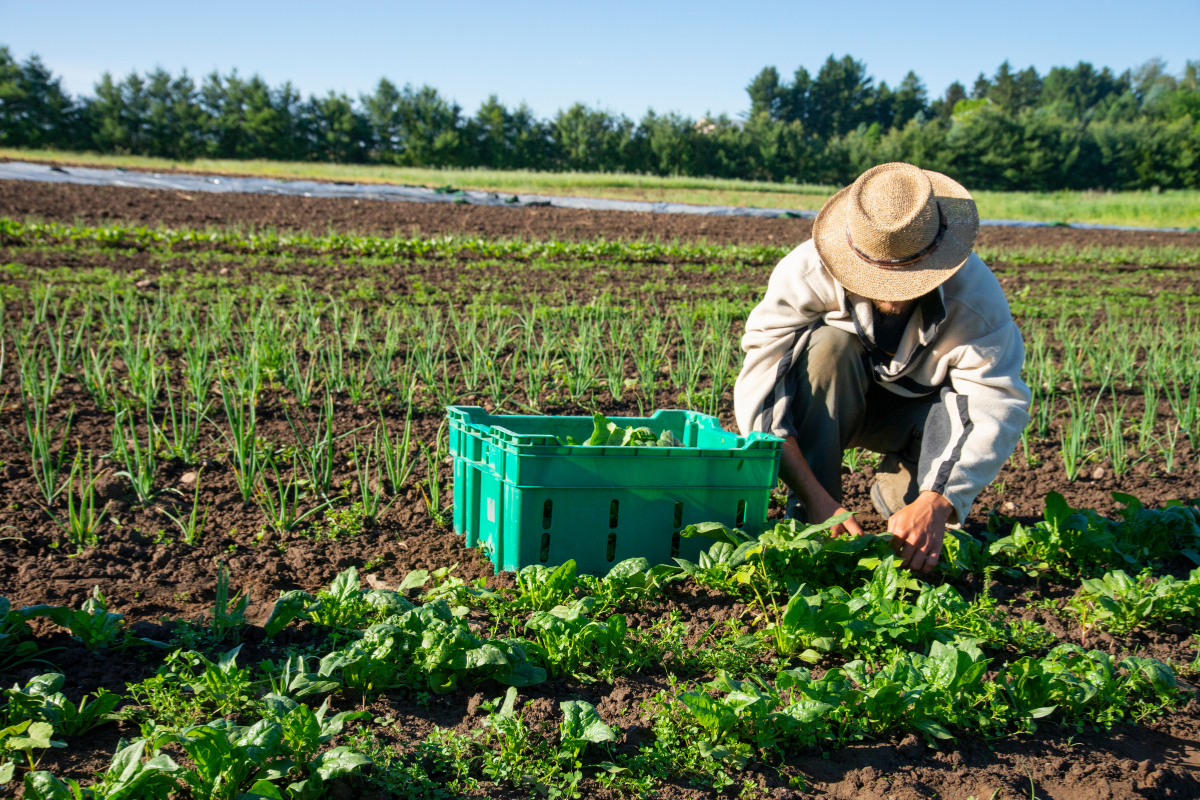
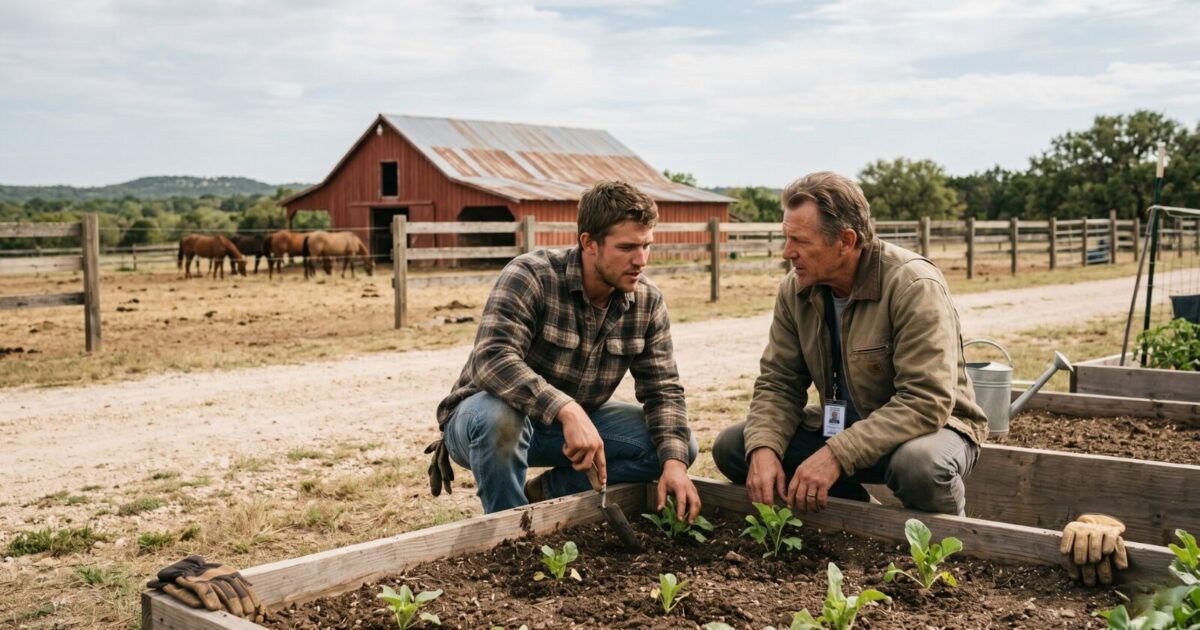
    Residents care for animals and tend crops through our partnership with Simple Promise Farms. These daily tasks aren’t busywork they build patience, accountability, and resilience.
  • Holistic Healing
    Yoga, meditation, sound therapy, and art weave into the program. Healing isn’t just clinical it’s physical, emotional, and spiritual.
  • Community Service Saturdays
    Every week, residents volunteer locally supporting food banks, farm stands, or neighborhood projects. This reduces stigma and builds pride.
  • Intimate Setting
    With a small number of beds, we keep recovery personal and relationship-driven. Staff and residents know each other by name, not by chart number.

Why This Model Matters Now

The CDC’s report is good news but numbers don’t capture the lived reality. The truth is, many of those 70 lives “saved every day” are going to need a place like Ranch House. A place to land, heal, and grow beyond survival.

Relapse studies suggest that over 60% of individuals relapse within the first year after treatment. That’s not a moral failure it’s evidence that recovery requires long-term structure and connection. Our regenerative model offers just that: structure grounded in service, and connection rooted in real responsibility.

The Bigger Picture: Texas at a Crossroads

Texas has been hit hard by the opioid epidemic, especially in rural counties where access to treatment is scarce. But the state is also home to innovative, community-based programs that show what’s possible. Elgin may not make national headlines, but here on the ranch, we’re proving that recovery can be restorative, relational, and sustainable.

When overdose deaths decline, the country cheers. We do too. But we also ask: what’s next for those survivors? The answer can’t just be “stay alive.” It has to be “rebuild a life worth living.”

Closing: From Numbers to Names

A 24% decline is a statistic. What matters is turning that statistic into stories of men who came to Ranch House broken, and leave with hope. Stories of families reunited, communities served, and futures reclaimed.

If you or someone you love is struggling, don’t wait. The numbers may be shifting, but real recovery only begins when we step into it one person, one day, one choice at a time.

At Ranch House Recovery, we believe in more than survival. We believe in renewal.

What a 24% Drop in Overdose Deaths Means for Recovery Communities in Texas

In February 2025, the Centers for Disease Control and Prevention (CDC) released provisional data showing that U.S. drug overdose deaths dropped nearly 24% over the prior year. That translates to about 27,000 fewer lives lost compared to 2023 an unprecedented shift after years of record-high fatalities.

As Dr. Allison Arwady, Director of CDC’s National Center for Injury Prevention and Control, put it:

“That’s more than 70 lives saved every single day.” (CDC, Feb 2025)

For families, practitioners, and communities across Texas, this data offers hope. Yet it also carries a sobering reminder: overdose remains the leading cause of death for adults ages 18–44. Progress doesn’t mean the crisis is over it means the fight has entered a new chapter.


Why the Decline Matters But Isn’t Enough

The CDC credits the decline to expanded naloxone distribution, increased use of medications for opioid use disorder (MOUD), and broader public health campaigns. But zooming out, the National Institute on Drug Abuse reports that 46.3 million Americans met the criteria for a substance use disorder in 2021, while only 6.3% received treatment. That gap hasn’t closed in 2025.

In Texas specifically, rural and suburban communities often face even steeper barriers: fewer treatment centers, limited insurance coverage, and long waits for care. Which raises the real question: how do we ensure these saved lives translate into lives rebuilt?


Where Ranch House Recovery Fits In

This is where our work at Ranch House Recovery, in Elgin, Texas, comes into focus. We’re not a hospital. We’re not a revolving-door detox. We’re a community a ranch where men rediscover responsibility, purpose, and connection as part of their recovery journey.

If you’re searching for addiction treatment in Austin, TX, our ranch offers a unique, hands-on model designed for long-term healing, not just short-term sobriety.

Our founder and CEO, Brandon Guinn, often says:

“The opposite of addiction isn’t just sobriety it’s connection. Our ranch offers that through land, animals, and community.”

Here, recovery doesn’t happen in sterile hallways. It happens in the rhythm of feeding animals, working the soil, sharing meals, practicing mindfulness, and giving back through community service.


What Makes Our Approach Different

  1. Therapeutic Farming & Animal Care
    Residents care for animals and tend crops through our partnership with Simple Promise Farms. These daily tasks aren’t busywork they build patience, accountability, and resilience.
  2. Holistic Healing
    Yoga, meditation, sound therapy, and art weave into the program. Healing isn’t just clinical it’s physical, emotional, and spiritual.
  3. Community Service Saturdays
    Every week, residents volunteer locally supporting food banks, farm stands, or neighborhood projects. This reduces stigma and builds pride.
  4. Intimate Setting
    With a small number of beds, we keep recovery personal and relationship-driven. Staff and residents know each other by name, not by chart number.

Why This Model Matters Now

The CDC’s report is good news but numbers don’t capture the lived reality. The truth is, many of those 70 lives “saved every day” are going to need a place like Ranch House. A place to land, heal, and grow beyond survival.

Relapse studies suggest that over 60% of individuals relapse within the first year after treatment. That’s not a moral failure it’s evidence that recovery requires long-term structure and connection. Our regenerative model offers just that: structure grounded in service, and connection rooted in real responsibility.


The Bigger Picture: Texas at a Crossroads

Texas has been hit hard by the opioid epidemic, especially in rural counties where access to treatment is scarce. But the state is also home to innovative, community-based programs that show what’s possible. Elgin may not make national headlines, but here on the ranch, we’re proving that recovery can be restorative, relational, and sustainable.

When overdose deaths decline, the country cheers. We do too. But we also ask: what’s next for those survivors? The answer can’t just be “stay alive.” It has to be “rebuild a life worth living.”


Closing: From Numbers to Names

A 24% decline is a statistic. What matters is turning that statistic into stories of men who came to Ranch House broken, and leave with hope. Stories of families reunited, communities served, and futures reclaimed.

If you or someone you love is struggling, don’t wait. The numbers may be shifting, but real recovery only begins when we step into it one person, one day, one choice at a time.

At Ranch House Recovery, we believe in more than survival. We believe in renewal.

Can Nutrition Help Prevent Opioid Relapse? Exploring the Diet Addiction Connection in Recovery

As breakthroughs in digital health and addiction science continue to make headlines, a quieter but powerful truth is emerging: what we eat may shape how we heal. A recent study from researchers at Columbia and published on arXiv introduced Diet‑ODIN, a data-driven framework that links diet patterns with opioid misuse and relapse. Their findings suggest that poor nutrition often common in early recovery may increase relapse risk, while dietary improvements could support better outcomes.

According to the researchers, “Our framework uncovered strong correlations between dietary deficiencies and opioid misuse behavior,” suggesting a role for nutrition in early intervention and post-treatment support.


Rebuilding Health from the Inside Out

The idea that nutrition plays a role in addiction recovery isn’t new but the data is getting harder to ignore. People recovering from opioid use disorder often experience unstable appetite, poor gut health, nutrient deficiencies, and erratic eating patterns especially in early sobriety. These imbalances can affect energy, sleep, and even mood regulation.

At Ranch House Recovery, we believe recovery must nourish the whole person body, mind, and spirit. As a trusted provider of drug rehab in Austin, we’ve seen firsthand how nutrition becomes a turning point not just for health, but for hope.


The Ranch House Difference: Where Healing Meets Habits

Our program isn’t just about removing substances. It’s about rebuilding life. That starts with the basics: food, sleep, connection, and purpose.

Here’s how we integrate nutrition into our healing model:

  • Home-cooked meals with intention: Residents enjoy nourishing, balanced meals prepared fresh on-site, emphasizing whole foods and local ingredients.
  • Community-based eating: Meals are shared together, building routine, trust, and rhythm essential for long-term recovery.
  • Education around self-care: Mentorship and group discussions include simple but impactful nutritional guidance.
  • Daily structure that supports wellness: From garden work to movement and mindfulness, every element of our schedule helps stabilize the body.

What Our Team Is Seeing

Alexandra Litke, RSPS, Administrative Director:
“We often hear residents say they haven’t felt ‘full’ in years not just physically, but emotionally. Once their meals are consistent and supportive, they start to re-engage with life.”

Jay Spitzer, Mentor:
“I’ve watched guys come in pale, sluggish, and completely depleted. Within weeks of eating real food and having a steady rhythm, they’re energized and clear. Nutrition is medicine.”

Daniel Ximenes, Mentor:
“Most of the men we serve haven’t learned how to take care of themselves. Teaching them to shop, prep, and cook simple meals builds confidence and that’s a huge win.”


Why Nutrition Deserves More Attention in Recovery

The Diet‑ODIN research suggests a future where early signs of opioid risk or relapse could be flagged through dietary patterns. In a place like Austin where recovery resources are expanding and innovation is thriving we have the chance to lead.

Imagine a model where:

  • Outpatient clinics offer meal-planning support or food access referrals
  • Treatment centers partner with nutritionists or cooking instructors
  • Recovery homes garden, cook, and eat together
  • Clients build healthy habits that sustain them beyond discharge

We’re not just treating addiction we’re cultivating resilience.


Backed by Science, Rooted in Compassion

Other studies support this approach. Nutritional stability has been shown to support:

  • Improved cognitive function and focus
  • Lower levels of anxiety and depression
  • Better sleep and emotional regulation
  • Reduced cravings and relapse risk

At Ranch House Recovery, we treat food not as an afterthought but as a foundation. Because when people feel strong in their bodies, they’re more likely to show up for the emotional and relational work recovery demands.


The Bigger Picture in Austin

As Austin continues to expand its public health infrastructure from harm reduction to housing to sober living nutrition should be part of the conversation. It’s time we stop viewing it as a luxury and start treating it as essential recovery support.

We’re proud to be part of a movement in drug rehab in Austin that values dignity, purpose, and holistic care.


Ready to Start a Recovery That Feeds the Whole You?

Whether you’re entering recovery or supporting a loved one through the journey, know this: nutrition matters. And you’re not alone.

At Ranch House Recovery, we walk with you serving up structure, support, and meals that heal.

Contact us today to learn more about our community-centered, nutrition-integrated recovery program.

Why Young Men in Austin Are Falling Through the Cracks And How Community-Based Recovery Can Help

As substance use among young men continues to rise across Austin, Texas stands at a crossroads. We’re witnessing growing rates of mental health challenges and addiction among young males, while too many traditional treatment systems fall short of meeting their unique needs. At Ranch House Recovery, we understand that purpose, structure, and brotherhood aren’t extras they’re essential.


A Shifting Landscape: Young Men, Rising Risk

Texas data points to troubling trends: nearly 10 % of teens aged 12–17 report using drugs in the past month, and among young adults aged 18–25, usage rates are significantly higher driven by alcohol, marijuana, and rising misuse of prescription pain relievers.

These statistics follow national patterns suggesting that young men particularly those experiencing stress, isolation, or housing instability are at heightened risk. Conventional treatment models often center on inpatient or outpatient therapy formats that lack the structure and peer accountability young men need after leaving clinical care.


What Goes Missing: Why Traditional Programs Overlook Young Men

Many young men fall through the cracks because:

  • They exit detox or outpatient treatment into isolation, without clear structure or sober support systems.
  • Peer pressure and toxic environments overwhelm them, especially without shared accountability.
  • Inpatient programs treat treatment as a finite event, rather than a meaningful lifestyle shift.

Studies show recovery housing a structured sober living model supports longer engagement with care, greater abstinence, and even improved employment outcomes for young adults. Yet many treatment systems don’t offer that next step after detox or short-term care.


At Ranch House Recovery: Purpose, Work, and Brotherhood as Medicine

That’s why we created our program: to deliver what young men need most safe, structured space where recovery isn’t just a goal, it’s a lived daily commitment. Located near Austin, we offer men a recovery experience rooted in action, community, and accountability.

We provide comprehensive addiction treatment in Austin, TX focused on holistic transformation:

  • Ranch-based living where residents engage in purposeful work, accountability groups, and healthy routines.
  • Peer mentorship and shared responsibilities what one of our mentors calls “the magic of seeing yourself reflected in somebody else’s journey.”
  • Post-rehab transition support, which extends healing through mentorship into reintegration.

We believe recovery begins when men feel seen, needed, and connected.


Making a Difference: Real Change in Real Lives

Our approach reflects the benefits evidenced in sober living research:

  • Program participants typically stay engaged in recovery longer than the average outpatient client.
  • Residents build meaningful employment skills and habits while cultivating sober peer support.
  • Men report increased self-esteem, purpose, and confidence in rebuilding their lives outside of substance use.

Team Insights: Why We Built This Model

Brandon Guinn, CEO/Founder of Ranch House Recovery:
“Young men often feel lost when treatment ends they need more than therapy, they need direction and belonging.”

Jonathon Stewart, Director of ABD:
“Structured living isn’t about punishment it’s about showing men how strong they can be when they take responsibility for their days.”

Cody Cash, Director of Operations:
“We see men find themselves here not who they were, but who they’re becoming. That shift is recovery in action.”


Why This Matters for Families and Communities in Austin

Too often, families exhaust resources on traditional treatment only to watch their loved ones return to old habits or worse, disappear entirely. Young men deserve transitions that reinforce recovery not erode it.

At Ranch House Recovery, we work closely with families to support healing communicating, involving loved ones, and building reconnection.


A Path That Supports Lasting Recovery

Recovery isn’t a singular intervention it’s a journey of transformation. For young men in Austin, community-based recovery programs like ours fill a vital gap between clinical care and independent living.

  • Purposeful routines foster sobriety and competence.
  • Peer accountability and mentorship offer real-world experience.
  • Long-term integration planning extends beyond a month or two of residential stay.

We don’t rely on clinical models alone we believe true recovery happens with brotherhood, discipline, and heart.


Ready for a Model That Works Differently?

If you know a young man in need especially someone who’s gone through detox or short-term care and is facing that “now what?” moment there’s a structured, supportive path through Ranch House Recovery.

Our holistic approach combines daily work, peer support, and mentorship making recovery sustainable.

Connect today to learn how our model of community-based care can support lasting recovery for young men in Austin.

Texas’s Psychedelic Research Breakthrough and How Ranch House Recovery Is Meeting Austin’s Addiction Treatment Needs Today

“Ibogaine could represent a seismic shift in how we treat opioid addiction and PTSD,” declared Texas Governor Greg Abbott in June 2025, as he signed Senate Bill 2308 into law, dedicating $50 million to clinical trials for the psychedelic compound ibogaine. This bold state investment puts Texas, and particularly Austin, at the forefront of psychedelic research in the United States.

While the excitement around ibogaine and other psychedelic therapies grows in the public eye, at Ranch House Recovery, we understand that for many individuals and families, the immediate need is for compassionate, reliable addiction treatment that helps people rebuild their lives day by day. Located just outside Austin, Ranch House Recovery offers just that a structured, community-driven, evidence-based program for men seeking long-term sobriety.


Understanding the Psychedelic Research Landscape: What It Means for Austin

The recent legislation marks a significant milestone. Ibogaine, a psychoactive alkaloid derived from the iboga plant native to West Africa, has shown promise in reducing opioid withdrawal symptoms and cravings in anecdotal reports and international studies. However, it remains a Schedule I substance in the U.S., making the new clinical trials critical for establishing safety, efficacy, and potential approval.

Governor Abbott and supporters, like former Governor Rick Perry, have emphasized the urgent need for new tools to combat the opioid crisis. Perry called the investment “a necessary step towards alternatives that save lives.” These trials will be conducted in partnership with Texas universities and medical centers, including institutions based in Austin, underscoring the city’s growing role as a health innovation hub.

While this emerging science holds promise for the future, it’s important to remember that effective addiction treatment has long required a balance of medical care, behavioral health support, and strong community networks, the very principles that guide our work at Ranch House Recovery.


Who We Are: A Sanctuary for Men Ready to Reclaim Their Lives

At Ranch House Recovery, our mission is clear: to provide a safe, supportive environment where men struggling with addiction can find lasting recovery. Founded and led by CEO and Founder Brandon Guinn, our program is deeply rooted in community values and a belief in the power of connection, structure, and purpose.

We know addiction can feel isolating and overwhelming. That’s why our program emphasizes holistic healing, combining accountability with empathy, and daily responsibilities with emotional growth. Our goal is not just sobriety but helping each man build a meaningful life that makes sobriety sustainable.

“Recovery is a journey, not a moment,” Brandon explains. “Our role is to walk alongside men in the messy, challenging process of change, providing tools, support, and hope every step of the way.”


What Makes Ranch House Recovery Different? A Holistic, Community-Centered Approach

Our program is designed to address the whole person, not just the addiction. Here’s how we do that:

1. A Working Ranch Setting
Our facility is more than just a sober living home it’s a place of growth. Residents participate in ranch-based work, chores, and community projects that build responsibility, teamwork, and a connection to nature. This hands-on approach cultivates discipline and purpose, grounding recovery in everyday accomplishments.

2. Structured, Supportive Daily Routines
Each day balances therapeutic activities with practical life skills training, group meetings, and recreation. This consistent structure helps residents rebuild routines that foster stability, a critical factor in long-term recovery success.

3. Focus on Emotional Healing and Peer Connection
Addiction thrives in isolation. We foster authentic relationships among residents and staff, creating a brotherhood where men can share honestly, support each other, and rebuild trust.

4. Integration of Behavioral Health Support
Under Jonathon Stewart’s leadership, our ABD program provides targeted therapeutic interventions tailored to individual needs. We combine evidence-based counseling with personal development work that addresses trauma, mental health, and relapse prevention.

5. Lifelong Mentorship and Aftercare Planning
Our mentors, including Jay, Daniel, Hayden, and Declan, remain part of residents’ lives beyond their stay, providing ongoing guidance and encouragement. We also work closely with families to rebuild connections and create a strong support network.


Real Impact: Stories of Change and Measurable Success

While every recovery journey is unique, Ranch House Recovery has consistently helped men make meaningful strides:

  • Our structured program has seen high rates of sustained sobriety beyond 12 months, a critical milestone that many programs struggle to achieve.
  • Residents frequently report improved self-esteem, healthier relationships, and a renewed sense of purpose after completing our program.
  • Family members praise the comprehensive support and communication Ranch House Recovery provides, easing the ripple effects of addiction on loved ones.

Addressing the Broader Addiction Crisis in Austin and Texas

Austin, like many cities nationwide, faces a persistent challenge with opioid and substance use disorders. According to the Austin Public Health Department, overdose deaths have remained a concern despite harm reduction efforts such as widespread naloxone distribution.

In this context, the state’s investment in psychedelic research signals a desire to expand treatment options. But Ranch House Recovery reminds us that there’s no substitute for compassionate, community-based care rooted in evidence and experience.

Our program is designed to be accessible and effective right now meeting men where they are and equipping them with the tools to reclaim their lives.


Looking Ahead: Hope for a Brighter Future

We welcome advances in science and new therapies, and we stay informed about developments in psychedelic-assisted treatment and other innovations. However, the foundation of recovery remains human connection, daily commitment, and comprehensive support values Ranch House Recovery has upheld since day one.

“No matter what new treatments emerge,” Brandon Guinn reflects, “our mission stays the same: to provide a place where men can heal, grow, and build lives worth living.”


Take the First Step Toward Lasting Recovery

If you or someone you love is struggling with addiction, know that help is available. Ranch House Recovery offers a welcoming, structured program dedicated to healing and transformation for men in the Austin area.

We’re here to walk with you, every step of the way.

Connect with us today to learn more about our program and how we can support your journey.
ranchhouserecovery.com/contact