
RHR Blog
Who a Recovery Ranch Is Right For, and Who It Isn’t
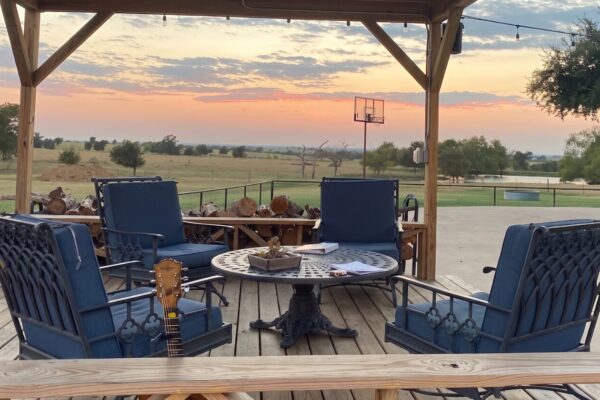
Somewhere in the middle of researching treatment options, most families hit the same quiet question. The websites all promise care and transformation, the photos all look peaceful, and underneath it all the person making the calls is really asking one thing: would this actually work for him?
It is the right question, and it deserves a more honest answer than treatment marketing usually gives, because the cost of a mismatch is not just money. It is momentum, and momentum is the scarcest resource a family in this situation has. A recovery ranch is not a better or worse version of rehab. It is a different model, built on different mechanics, and like every model in this field it fits some people remarkably well and others not at all. The National Institute on Drug Abuse puts this at the top of its principles of effective treatment: no single approach is right for everyone, and matching the setting to the person matters as much as the quality of the care.
We run a working recovery ranch outside Austin, which means we have spent years watching exactly which men this model reaches and which men needed something else first. This article is that experience written down. Not a pitch, a fit assessment, including the parts that argue against us.
What a Recovery Ranch Actually Is
Start with the model itself, because the word ranch gets used loosely. A genuine ranch rehab program is a licensed residential treatment facility where the working land is part of the clinical design. Clients live on the property, receive the same evidence-based care any quality program delivers, individual therapy, group work, treatment planning, recovery community, and alongside it they carry real responsibility for the place: animals that need feeding before breakfast, fences that need mending, gardens that produce actual food.
At Ranch House, we call this model Regenerative Recovery: the conviction that men heal the way land heals, by being worked, tended, and given time, and that restoring living systems and restoring a man are the same daily practice. The treatment is not the scenery. The treatment is the combination: clinical work that addresses what drove the addiction, and a daily rhythm that rebuilds what the addiction dissolved. Structure, accountability, physical competence, and the experience of being needed by something other than a substance. Research collections at the National Institutes of Health have repeatedly associated structured routines, physical activity, time in natural settings, and purposeful work with improved mood, reduced cravings, and better treatment engagement. The ranch is a delivery mechanism for all four at once.
That is the theory. The practical question is who the mechanism actually reaches.
The Men This Model Tends to Reach
After enough years, patterns emerge. Four kinds of men, in particular, do well here, and they often arrive after other settings did not hold.
The man who has already done talk-heavy treatment, more than once. He can recite the relapse-prevention curriculum. He knows the vocabulary of recovery better than some counselors. What he has never done is live differently for long enough to believe it is possible. For him, the ranch works because it stops asking him to talk about change and starts requiring him to practice it, daily, physically, with witnesses. Insight was never his shortage. Evidence was.
The man who goes quiet in a circle of chairs. Some men simply do not open up face to face, and no amount of clinical skill fully overrides twenty or forty years of conditioning. Those same men will talk, sometimes for the first time honestly, shoulder to shoulder over a fence line or in the barn at dawn. The work lowers the stakes of speech. Programs built entirely around the group room never find out what these men are carrying. Out here, the animal-assisted therapy and the shared labor do the unlocking, and the clinical sessions harvest what comes up.
The man whose life has lost its spine. Years of addiction dissolve structure first: sleep, work, meals, obligations, until the only reliable appointment in a day is using. For this man, the most therapeutic thing on the property is the schedule itself. Animals eat at the same time whether he feels ready or not. The daily programming runs whether yesterday was good or terrible. Weeks of that rhythm rebuild something medication cannot prescribe: the felt experience that days have shape and he can meet them.
The man whose environment is the problem. Some men have a genuine shot at recovery and no chance of starting it within reach of the old apartment, the old crowd, and the dealer’s number. Physical distance is not a treatment, but it is a precondition for one, and a working ranch outside the city provides it without feeling like exile. The days are too full to romanticize what was left behind.
Who This Model Is Not Right For
Here is the section most treatment websites skip, and the one that should most influence your decision.
Anyone who needs medical detox first. Withdrawal from alcohol, benzodiazepines, and some other substances can be medically dangerous, and a ranch is not a hospital. Men in that situation need supervised detox at a facility equipped for it, first, every time. Good ranch programs sequence this routinely, holding a bed while detox completes, but the order is non-negotiable, and any program willing to skip it is telling you something alarming about its judgment.
Acute psychiatric instability. Co-occurring depression, anxiety, and trauma are normal here; most of our clients carry at least one, and treating them alongside the addiction is standard care. Active psychosis, recent serious suicide attempts, or conditions requiring intensive psychiatric monitoring are different. They need a higher level of medical care than a ranch setting responsibly provides. The honest move is a referral, and we make them.
Significant physical limitations, sometimes. The work is scaled to ability, and nobody is hired as a ranch hand. But the model does assume a body that can participate in physical days, and for some health situations that assumption fails. This is a conversation for the admissions call rather than a rule, and it deserves honesty in both directions.
The man who needs to stay embedded in his life. Some situations genuinely require treatment that fits around a job, custody schedule, or caretaking duty, and for those situations intensive outpatient care near home is the right tool. The trade-off is real and worth naming: outpatient preserves the life and also preserves the environment, with everything that implies. But when leaving truly is not an option, the answer is the right outpatient program, not a residential model forced to fit.
One thing deliberately missing from this list: reluctance. Men almost never arrive eager, and the ones who roll their eyes hardest at the idea of a ranch in week one are, with strange reliability, the ones leading work crews by month three. Unwillingness to come is normal. It is not the same as being a poor fit.
What the Days Actually Look Like
Fit is easier to judge against specifics, so here is the shape of a real day. Up early, because the animals do not negotiate. Feeding rounds and morning chores in assigned crews, then breakfast, then the clinical block: individual sessions, group therapy, step work. Afternoons return to the land, garden, fences, seasonal projects, real tasks the property actually depends on. Evenings belong to recovery community and the kind of unhurried conversation that does not happen anywhere else in a man’s old life. The rhythm repeats, the responsibilities grow as trust grows, and the growth is the treatment plan, written in chores. Weekends loosen without dissolving, because animal care never pauses, and the seasons keep changing the work, which means no two months on the property ask for the same man.
Behind that rhythm sits a treatment philosophy that is easy to state and slow to live: men recover by becoming reliable again, to other people, to animals, to the land, and finally to themselves, and reliability is built through repetition, not realization. The clinical work explains the past. The ranch rehearses the future.
How to Pressure-Test the Fit
If the profiles above sound like the man you are calling about, the next step is diligence, and it is mercifully quick. Any legitimate ranch program in Texas holds a chemical dependency treatment license you can verify through the Texas Health and Human Services Commission, and appears in the federal directory at FindTreatment.gov. Then call and ask fit questions rather than brochure questions. Who does this model not work for, and what do you do when that man calls? Walk me through last Tuesday on the property. How does what happens outside connect to what happens in therapy? Programs running the real model answer with texture and stories. The answers themselves will tell you whether the ranch is treatment or landscaping.
And ask about length of stay, because the model rewards time. Routines become character through repetition, and the research is consistent that residential stays approaching and beyond 90 days outperform shorter ones for men with serious, long-running addiction. A ranch experienced in weeks is a retreat. A ranch lived in for months is a different man’s history.
Deciding From Here
No setting cures anyone, and a recovery ranch is not magic dirt. It is a well-matched tool for a recognizable kind of man: the one who needs structure more than another lecture, work more than another worksheet, and a stretch of honest distance from the life that was killing him. It is the wrong tool for medical crises, acute psychiatric needs, and situations that genuinely cannot leave home, and the programs worth your trust will say so on the first call.
If you are still unsure which situation you are facing, SAMHSA’s National Helpline at 1-800-662-4357 is free, confidential, and available around the clock, with no stake in your answer. And if the profiles in this article kept sounding like someone you love, our admissions team will give you a straight fit assessment, including, when it is true, the answer that another program should treat him first. Regenerative Recovery works because it is honest about who it is for. The least we can do is start that honesty before you arrive.
Frequently Asked Questions About Recovery Ranches
What is a recovery ranch? A recovery ranch is a licensed residential addiction treatment program located on working land, where animal care, agriculture, and property responsibilities are scheduled parts of the clinical model rather than amenities. Clients receive standard evidence-based care, individual and group therapy, treatment planning, and recovery community, woven into a physical daily rhythm designed to rebuild structure, accountability, and purpose.
Does insurance cover treatment at a recovery ranch? Often, yes, because insurers cover licensed residential substance use treatment, and the ranch setting does not change the billing category. Coverage specifics depend on your plan, the program’s network status, and the authorized length of stay. Ask any program to verify benefits in writing before admission, and ask what happens if clinicians recommend more time than the insurer first approves.
How long do recovery ranch programs last? Longer than the standard 30 days, by design. Most working ranch programs run 60, 90, or 120-plus days, because the model’s mechanism is repetition: routines, responsibilities, and trust that compound over months. That also matches the research on treatment duration, which consistently favors stays of 90 days or more for serious, long-standing addiction.
Do you need ranch or farm experience to attend? None at all, and most men arrive with none. Every task is taught, supervised, and scaled to ability. The therapeutic ingredient is not skill; it is showing up daily for something that depends on you, which requires only willingness, and even the willingness usually arrives a few weeks after the man does.
Is a recovery ranch right for someone with depression or anxiety? Usually yes, and co-occurring conditions are the norm rather than the exception in addiction treatment. Quality ranch programs treat them alongside the substance use, and the model’s structure, physical work, and time outdoors tend to help rather than hinder. The exceptions are acute situations needing intensive psychiatric monitoring, which require a higher level of medical care first.
About the Author
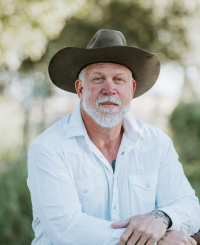
Brandon Guinn
Founder & CEO, Ranch House Recovery
Brandon Guinn founded Ranch House Recovery, a community-centered program for men recovering from addiction on a working ranch in Elgin, Texas. As a father whose family was touched by addiction, he built the program around daily structure, honest work, and lasting community.
Read Brandon’s full bio