Animal-Assisted Therapy: Healing Through the Herd

How caring for rescued animals helps men in recovery find something they lost. 

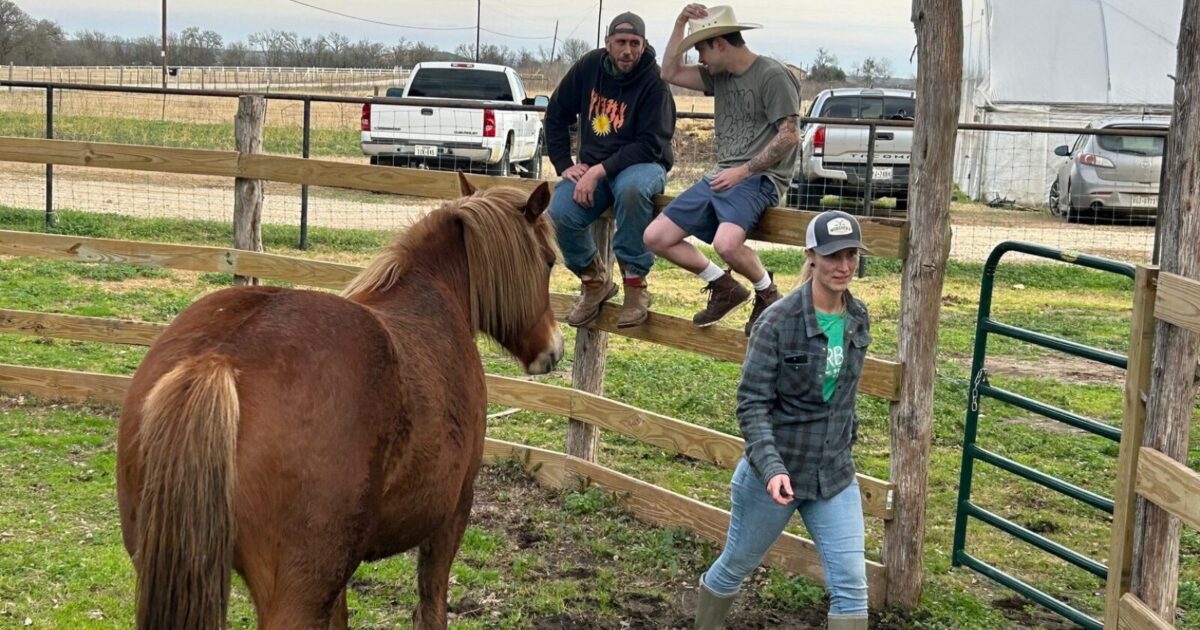
Picture a morning in the barn. Still dark. The air smells like hay and earth. A man who, a few weeks ago, couldn’t be trusted with anything is standing next to a horse, learning to breathe slower. 

The horse isn’t doing anything dramatic. It’s just standing there. Present. Waiting. Something is happening in that silence that no workbook exercise has ever produced. 

At Ranch House Recovery, animal-assisted therapy isn’t a supplemental activity. It’s a core pillar of our Regenerative Recovery model. Our men describe the time they spend with our horses, donkeys, and chickens as some of the most transformative hours of their stay. To understand why, you have to understand what addiction takes from a man, and what animals uniquely give back. 

What Addiction Steals 

Addiction erodes a man’s sense of self in specific, predictable ways. 

It takes trust: a man who has broken every promise to himself and everyone he loves loses faith in his own word. It takes responsibility: the pursuit of the substance eventually crowds out everything else. It takes connection: shame and the demands of active use push people away and make real intimacy feel impossible. And it takes a sense of competence: the evidence of one’s own dysfunction accumulates into a belief that one isn’t capable of taking care of anything, including oneself. 

These losses are the actual work of recovery. The substance is the symptom. The wounds underneath are what must heal. 

What Animals Give Back 

A Clean Slate 

Animals don’t know your history. They don’t know what you did before you came to the ranch. They respond entirely to who you are in this moment: how you approach, how consistent you are, how patient you’re willing to be. For men carrying profound shame about their past, that clean slate is not a small thing. It’s the door back in.

Honest Feedback 

Horses are exquisitely sensitive to emotional states. They read body language, breathing patterns, and energy in ways that humans rarely match. A man who approaches a horse while internally tense but outwardly calm will find the horse is not fooled. That immediate, honest feedback builds self-awareness in a way that talk therapy alone can’t. And self-awareness is the foundation of everything else in recovery. 

Unconditional Connection 

Our animals are rescued. Many of them have experienced neglect and abandonment themselves. They know what it is to have been hurt. Yet they extend a remarkable openness to the men who care for them. The relationship isn’t conditional on past behavior. It requires only showing up, consistently and gently, day after day. 

For men whose capacity for human connection has been damaged by addiction, learning to receive care without earning it is a crucial step. 

Purpose and Responsibility 

Our animals need to be fed, watered, and checked on every day. They need this regardless of how a man is feeling, whether it’s a hard morning or he didn’t sleep well. This non-negotiable responsibility is therapeutic in the deepest sense. A man who shows up because the animals need him is practicing recovery, whether he thinks of it that way or not. 

Purpose, the sense that your presence and effort matter to something outside yourself, is one of the most powerful protectors against relapse. Animals make that purpose tangible and immediate. 

The Parallel We Don’t Have to Name Out Loud 

Our animals are rescued. So are our men, in their own way. 

Watching an animal that was once abandoned learn to trust again, to allow care, to relax into safety: that’s a mirror many of our residents find profoundly moving. If that level of damage can be worked through, maybe the same is possible for them. 

“The horse doesn’t care what I used to be. It only cares if I show up today.”

Ranch House Recovery Resident 

What the Science Says 

Animal-assisted therapy has a growing body of research behind it. Studies consistently show that interactions with animals lower cortisol (the primary stress hormone), reduce blood pressure, and

activate the release of oxytocin, the neurochemical tied to bonding and trust. These effects matter a great deal in recovery, where the nervous system has been dysregulated by prolonged substance use. 

Research also shows that animal-assisted interventions improve emotional regulation, reduce depression and anxiety, and build social skills. All outcomes that directly support lasting recovery. 

A Day With the Animals at Ranch House 

Animal care is woven into the daily rhythm at Ranch House. Morning animal care. Evening check-ins. Feeding, watering, grooming, training, and just spending time in the presence of creatures who ask very little and give a great deal. 

Over time, relationships form. A man begins to notice how a particular horse responds to him. Which chickens will eat from his hand? What it takes to earn a donkey’s trust. These small, quiet, specific relationships are the texture of healing here. The substance of what happens in between the formal sessions, out in the barns and pastures of a working Texas ranch.  

“I’ve never felt like I mattered to anything. Then I started taking care of that donkey every morning, and something changed. He needed me.” 

If you or a man you love is looking for something different, we’re here. Call (512) 525-8175 or contacts us.

What Is Regenerative Recovery? The Model That Makes Ranch House Different

The model that makes Ranch House different from every other program in Texas.

Most rehab programs start with a simple idea: take away the substance, stabilize the man, send him home. And for some men, that works. But for a lot of men, it doesn’t. They leave after 30 days feeling cleaner, maybe even hopeful. Then the environment pulls them back. The same pressures. The same isolation. The same void. And within months, they’re right back where they started. 

That’s not a failure of willpower. It’s a failure of the model. 

Ranch House Recovery was built to do something different. We’re located on a working ranch in Elgin, Texas, about 30 miles east of Austin. And our approach, what we call Regenerative Recovery, doesn’t just aim to get men sober. It aims to grow a life worth staying sober for. 

The Problem With ‘Rehabilitation’ 

The word “rehabilitation” means to restore something to its original condition. However, here’s the thing: for most men who come to us, their former condition was already one of struggle. They were disconnected. Running from something. Living without a real purpose. 

Restoring a man to that baseline isn’t recovery. It’s a setup for relapse. 

Short-term programs can detox the body. They can introduce the language of recovery. But in 30 days, they rarely have the time to address what actually drove the addiction. The trauma underneath it. The absence of meaning. The years of practiced disconnection from self, from other men, from anything that matters. 

“We kept sending him to 30-day programs and he’d come back worse. So I started asking myself: what if we just created something different?” 

Brandon Guinn, Founder of Ranch House Recovery 

That question became Ranch House. 

What ‘Regenerative’ Actually Means 

We borrowed the word from agriculture. In regenerative farming, you don’t just maintain the soil. You actively restore it. Season by season, you make it richer, more alive, more capable of growth.

The opposite of depleted soil isn’t neutral soil. It’s thriving soil. 

We apply the same thinking to men in recovery. 

The goal at Ranch House isn’t just sobriety. It’s a transformation. Not removing what’s unhealthy and leaving a space, but actively building what’s strong. Honest work. Deep community. A spiritual practice that grounds a man when everything else gets hard. A sense that his presence matters and his effort counts. 

A man who leaves Ranch House shouldn’t just be sober. He should be more fully himself than he was before addiction took hold. 

What the Model Looks Like Every Day 

The Twelve Steps as a Living Practice 

The Steps aren’t posted on a wall at Ranch House. They’re practiced. Every morning. In the barn, around the dinner table, in honest conversations with brothers who are fighting the same battle. Our men work the Steps actively, guided by experienced staff and peer mentors who have walked this exact road. 

Therapeutic Farming 

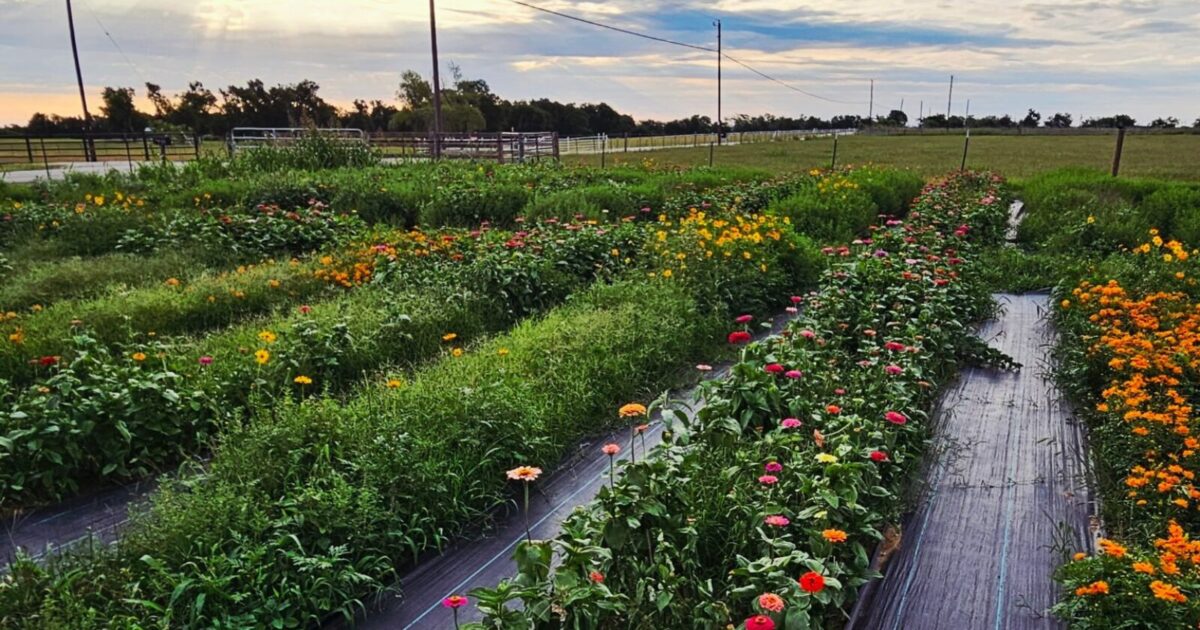
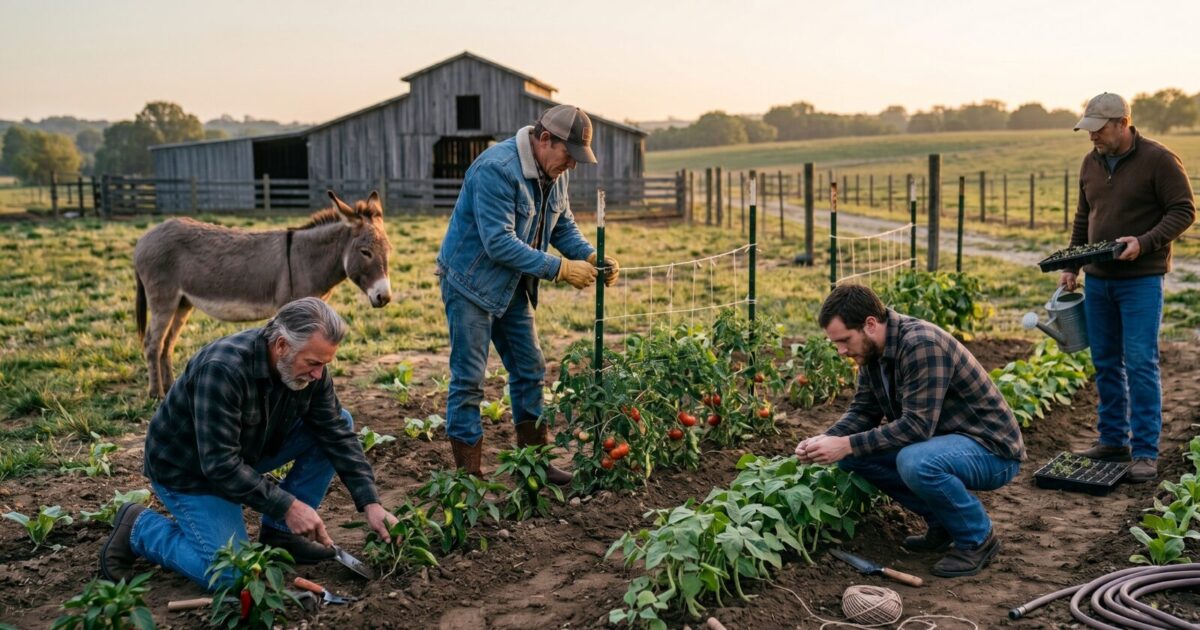
We operate alongside Simple Promise Farms, a 501(c)(3), on the same property. Our men tend crops. They care for animals. They bring produce to local farmers’ markets. It’s not busywork. Growing something because you showed up every day and cared for it is a powerful antidote to the helplessness addiction breeds. (Read more in Post 05: From Soil to Soul.) 

Animal-Assisted Therapy 

Our men care for and help train rescued animals: horses, donkeys, and chickens. Animals that have themselves experienced abandonment and neglect. The parallel isn’t lost on our residents. As they help animals heal, something in themselves heals too. (Read more in Post 03: Animal-Assisted Therapy.) 

Spiritual Practices 

Yoga, meditation, breathwork, sound baths, sweat lodge ceremonies. These aren’t add-ons. They are the foundation of a daily practice that connects a man to something larger than his own pain. 

Peer Mentorship 

Every resident at Ranch House is paired with a peer mentor. A man further along in recovery who has walked a similar path. The kind of guide who can say, ‘I was exactly where you are’ and mean it.

Service Work Saturday 

Every Saturday, our men go into the Elgin community. They help local families, support nonprofits, and show up for neighbors. Service isn’t a checkbox. It’s how men who spent years taking learn to give, and discover that giving changes them. 

30, 60, and 90 Days 

We offer 30-, 60-, and 90-day residential programs. A 30-day stay gives a man a real foundation. But the 60- and 90-day options are where the deeper work of Regenerative Recovery takes root. The brain needs time to heal. New ways of thinking need time to become stable. 

The longer a man is here, the more solid his footing when he steps back into the world. 

“The Ranch has taught me how to live. I have structure and routine. I work like a normal person. If I’m having a bad day, my brothers are here.” 

Ready to learn more? Call us at (512) 525-8175 or visit ranchhouserecovery.com. We’re here to walk you through what Regenerative Recovery looks like in daily life. 

What Is Addiction? Signs, Symptoms, and Stages

Addiction is one of the most misunderstood health conditions yet it affects millions of individuals and families every year. Whether the problem involves alcohol, prescription medications, or illicit substances, addiction is a chronic and progressive disease that impacts the brain, behavior, and overall functioning.

Understanding what addiction truly is, how to recognize the warning signs, and how it develops over time is the first step toward healing. This guide breaks down the essential information in a clear, compassionate, and easy-to-understand way.


What Is Addiction?

Addiction is a chronic, relapsing disorder characterized by compulsive substance use despite harmful consequences. It is not a moral failing or lack of willpower addiction alters the brain’s structure and function, affecting judgment, impulse control, and reward pathways.

The National Institute on Drug Abuse (NIDA) defines addiction as a medical disease that involves:

  • Cravings
  • Loss of control over substance use
  • Continued use despite negative outcomes

Over time, the brain becomes dependent on the substance to feel normal, making it extremely difficult to quit without support.


The Difference Between Substance Use, Misuse, and Addiction

Not everyone who uses substances becomes addicted. Understanding the distinctions helps clarify when professional help is needed.

1. Use

Occasional or social consumption without significant consequences.

2. Misuse / Abuse

Using substances in ways that cause problems legal issues, health risks, relationship strain, or unsafe patterns (e.g., binge drinking).

3. Addiction / Substance Use Disorder (SUD)

A medical condition marked by compulsive use, dependence, and inability to stop.


Common Signs and Symptoms of Addiction

Addiction impacts the mind, body, and behavior. The more signs that appear, the more likely a substance use disorder is present.


Behavioral Signs

  • Increased secrecy or hiding substance use
  • Withdrawal from family, friends, and responsibilities
  • Declining performance at work or school
  • Changes in social circle
  • Loss of interest in hobbies
  • Risky behaviors (driving under the influence, unsafe situations)

Physical Signs

  • Changes in sleep patterns
  • Rapid weight gain or loss
  • Poor hygiene or self-care
  • Bloodshot eyes or unusual pupil size
  • Nosebleeds or sniffing (stimulant use)
  • Frequent illnesses
  • Tolerance: needing more of the substance to feel the same effect

Psychological Signs

  • Mood swings
  • Anxiety or panic attacks
  • Depression or irritability
  • Poor concentration
  • Obsessive thoughts about using
  • Feeling unable to function without the substance

Stages of Addiction

Addiction rarely happens overnight. Most people move through several stages before developing a severe substance use disorder.


1. Experimental Use

Curiosity, peer pressure, or occasional recreational use.
May seem harmless, but this stage can quickly escalate.


2. Regular Use

Patterns begin forming:

  • Using on weekends
  • Using after work
  • Drinking or using to cope with stress

The brain starts building tolerance.


3. Risky Use

Consequences appear:

  • Missed responsibilities
  • Mood instability
  • Financial strain
  • Using alone
  • Hiding the behavior

Despite problems, the person continues to use.


4. Dependence

The body and brain rely on the substance.
Withdrawal symptoms may appear when not using.

Types of dependence:

  • Physical: Headaches, nausea, shaking
  • Psychological: Anxiety, cravings, irritability

5. Addiction (Substance Use Disorder)

At this stage:

  • The person cannot stop using even if they want to
  • Substance use becomes central to life
  • Relationships, health, work, and finances suffer

Addiction is a chronic disease, but with the right support, recovery is absolutely possible.


Why Professional Treatment Matters

Once addiction reaches the dependence or SUD stage, quitting without help can be dangerous or unsuccessful. Professional treatment provides:

  • Medical oversight to manage withdrawal safely
  • Therapy to address underlying triggers and trauma
  • Community support for accountability
  • Life skills training to rebuild stability
  • Long-term relapse prevention strategies

For many, structured treatment is the turning point that makes sustained recovery possible.


How Ranch House Recovery Helps Individuals Heal

At Ranch House Recovery, treatment is built around compassion, structure, and individualized care. Our programs focus on:

  • Clinical assessments to determine the right level of care
  • Daily routines that support stability and growth
  • Mental health support for co-occurring conditions
  • Skill-building and accountability through our Regenerative Recovery model
  • A supportive community where men can heal without judgment

Our approach helps individuals rebuild their lives from the inside out.


When to Seek Help

You don’t need to wait until things get “bad enough.”
If you or someone you love is showing signs of addiction even early signs professional support can prevent the situation from worsening.

Consider reaching out if you notice:

  • Loss of control over use
  • Using to cope with stress or emotions
  • Physical or emotional withdrawal
  • Strained relationships
  • Increasing secrecy or isolation

Addiction is treatable. Recovery is possible. The earlier the intervention, the better the outcome.


Need Help for Yourself or a Loved One?

If you’re worried about addiction, you’re not alone and you don’t have to figure this out by yourself. Ranch House Recovery offers personalized assessments, structured support, and a clear path to lasting recovery.

Contact us today to speak with our admissions team and explore the treatment options that match your needs.

How Treatment Centers Determine the Right Level of Care

Choosing the right treatment for addiction is not a one-size-fits-all process. Each person’s journey is unique, and selecting a program that matches their physical, emotional, and psychological needs can make the difference between success and relapse. Treatment centers carefully evaluate clients to ensure they receive the appropriate level of care from detox to residential programs to outpatient services.

In this guide, we’ll explain how addiction treatment centers determine the right level of care and why professional assessment matters.


Why the Right Level of Care Matters

Entering treatment is a significant step. Placing someone in a program that is too intensive or too light can negatively affect outcomes:

  • Under-treatment: May lead to relapse, incomplete healing, or unaddressed co-occurring issues.
  • Over-treatment: Can feel unnecessarily restrictive, expensive, or overwhelming.

A proper placement balances safety, support, and individualized care, ensuring clients can engage fully in recovery without unnecessary barriers.


Step 1: Initial Clinical Assessment

Every treatment center begins with a thorough intake evaluation, which includes:

  • Medical history: Chronic conditions, past hospitalizations, and current medications
  • Mental health screening: Depression, anxiety, trauma, bipolar disorder, or other co-occurring conditions
  • Substance use history: Type of substances, frequency, duration, and severity
  • Behavioral assessment: Past relapses, triggers, and coping mechanisms

Clinicians may use standardized tools such as:

  • ASI (Addiction Severity Index)
  • CAGE Questionnaire
  • AUDIT (Alcohol Use Disorders Identification Test)
  • DAST (Drug Abuse Screening Test)

This assessment establishes a baseline for both safety and treatment planning. At Ranch House Recovery, assessments also guide the timing and intensity of programs, ensuring each client receives personalized care.


Step 2: Evaluating the Severity of Addiction

Once the assessment is complete, clinicians classify addiction as mild, moderate, or severe.

  • Mild: May benefit from outpatient or partial hospitalization programs
  • Moderate: Often requires residential or intensive outpatient care
  • Severe: Typically needs medically supervised detox and residential treatment

Severity is determined not only by the type and amount of substance used but also by the impact on daily functioning, relationships, and physical health.


Step 3: Co-Occurring Mental Health Conditions

Many people with substance use disorders also struggle with mental health issues. Treatment centers look for co-occurring disorders, which may include:

  • Anxiety and panic disorders
  • Depression
  • PTSD
  • Bipolar disorder
  • ADHD or other neurodevelopmental conditions

Integrated care ensures that both addiction and mental health challenges are addressed simultaneously. For example, Ranch House Recovery offers therapeutic programs that integrate trauma-informed care, therapy, and life skills alongside addiction treatment.


Step 4: Determining Program Type

After assessment, clinicians determine the appropriate program type. Typical levels of care include:

1. Medical Detox

  • Safely manages withdrawal symptoms under medical supervision
  • Provides medications if needed
  • Stabilizes clients for ongoing therapy

2. Residential / Inpatient Programs

  • 24/7 support in a structured environment
  • Combines individual therapy, group sessions, life skills, and holistic approaches
  • Ideal for moderate to severe addiction

3. Partial Hospitalization Programs (PHP) / Intensive Outpatient Programs (IOP)

  • Daytime treatment with evenings at home
  • Structured therapy and skill-building, suitable for moderate addiction or step-down care

4. Outpatient Programs

  • Flexible, lower-intensity care
  • Best for mild addiction or maintenance after residential treatment

5. Sober Living

  • Provides transitional housing for clients leaving inpatient programs
  • Encourages independence while maintaining accountability and support

Step 5: Considering Personal Preferences & Life Circumstances

Treatment placement also considers:

  • Family responsibilities
  • Work or school commitments
  • Transportation and housing stability
  • Motivation and readiness for change

Even the best clinical recommendation may be adjusted to fit a client’s life situation without compromising safety or effectiveness.


Step 6: Ongoing Reassessment

Treatment is dynamic. Clinicians regularly monitor progress and adjust the level of care as needed:

  • Clients may step up to more intensive treatment if challenges arise
  • Clients may transition to outpatient or step-down care after stabilization
  • Progress is tracked via therapy outcomes, medical assessments, and peer support

At Ranch House Recovery, ongoing reassessment ensures flexibility and responsiveness, helping clients remain on track toward long-term recovery.


Why Ranch House Recovery’s Approach Stands Out

Ranch House Recovery emphasizes:

  • Clinically driven placement: Each client is evaluated individually to ensure they receive the appropriate level of care.
  • Regenerative Recovery: Integrates responsibility, life skills, and community support alongside therapy.
  • Holistic and experiential therapies: Outdoor activities, mindfulness, and peer accountability are part of the daily routine.

By combining evidence-based treatment with a structured, supportive environment, clients are set up for lasting success.


Conclusion

Determining the right level of care is a critical first step in successful recovery. Proper placement ensures safety, addresses both addiction and mental health, and provides the right intensity of support for long-term change.

Whether considering detox, residential, outpatient, or transitional programs, professional evaluation ensures the path you take aligns with your personal needs, readiness, and goals.


Need Help Determining the Right Level of Care?

If you or a loved one are struggling with addiction, don’t navigate this journey alone. Ranch House Recovery offers comprehensive assessments and personalized treatment plans to determine the right level of care for lasting recovery.

Contact us today to speak with admissions and learn more about programs tailored to individual needs.

Inside a 30-Day Rehab: What Actually Happens Week-by-Week

Entering rehab can feel overwhelming

especially when you don’t know what to expect. Many people imagine rigid schedules, cold hospital rooms, or non-stop therapy sessions. In reality, a 30-day residential program is designed to stabilize you, support your emotional growth, rebuild healthy routines, and lay the groundwork for long-term recovery.

To help you or your loved one prepare, this guide walks through what typically happens week-by-week during a 30-day rehab program, based on standard clinical protocols and the supportive, community-based model used at Ranch House Recovery.


Why a 30-Day Rehab Program Matters

Thirty days may not feel like much time, but it is enough to:
• Break the cycle of substance use
• Stabilize physically and mentally
• Build essential coping skills
• Develop daily structure and routine
• Start repairing relationships and self-worth
• Create a customized aftercare plan

A month in treatment provides the safety and consistency needed to reset physically, emotionally, and behaviorally.


Before Day 1: Admissions, Intake & Arrival

Before a client ever arrives, they typically complete:

  • A pre-admissions assessment
  • Insurance verification and paperwork
  • A review of medical and mental health history
  • A packing and preparation checklist
  • Transportation planning

When clients arrive at the facility, they are welcomed, oriented to the home or campus, assigned a room, and introduced to staff and peers. For many, this first step alone provides huge relief.


Week 1: Stabilization, Trust, and Settling In

The first week of rehab is all about helping clients feel safe, grounded, and physically stable. This is often one of the most important phases of treatment.

1. Medical & Clinical Assessments

During the first 24–48 hours, you can expect:

  • A full medical exam
  • Psychiatric evaluation
  • Medication-assisted support if needed
  • Sleep assessment
  • Substance use history review
  • Goal planning with clinicians

This helps the team design an individualized treatment plan.

2. Detox (If Needed)

Not all clients require medical detox. But for those who do, Week 1 is focused on ensuring:

  • Withdrawal symptoms are safely managed
  • Vital signs are monitored
  • Hydration, sleep, and nutrition are stabilized
  • The client is comfortable and supported

3. Introduction to Structure

During the first week, clients learn the daily rhythm of the program:

  • Morning meditation or check-ins
  • Group therapy
  • Individual therapy
  • Peer community activities
  • Mealtimes
  • Evening reflection

The goal is not to overwhelm, but to provide predictable structure something addiction usually disrupts.

4. Building Emotional Safety

Clients meet key staff, bond with other residents, and begin developing trust in the recovery environment.

Core Goal of Week 1:
Stabilize physically and emotionally. Establish safety, structure, and trust.


Week 2: Core Therapy & Emotional Work

Once clients feel settled, Week 2 digs deeper into the emotional and behavioral drivers of addiction.

1. Individual Therapy

This may include:

  • CBT (Cognitive Behavioral Therapy)
  • Motivational Enhancement Therapy
  • Trauma-informed therapy
  • Attachment or family-focused work

Sessions help clients understand root causes, thought patterns, and triggers.

2. Group Therapy

Groups create community, accountability, and shared healing. Topics often include:

  • Relapse prevention
  • Emotional regulation
  • Mindfulness
  • Shame and guilt
  • Healthy communication
  • Coping skills

3. Family Involvement

Many programs introduce educational or therapeutic family sessions during this week (if clinically appropriate).

4. Continued Medical Monitoring

Sleep, appetite, mood, and medication are adjusted as stability strengthens.

Core Goal of Week 2:
Begin emotional processing, develop coping skills, and engage fully in therapeutic work.


Week 3: Skills, Responsibilities & Rebuilding Confidence

By Week 3, clients usually experience more clarity, energy, and routine. This is when deeper transformation begins.

1. Life Skills Training

Clients practice:

  • Managing responsibilities
  • Daily routines
  • Personal hygiene & organization
  • Meal preparation
  • Time management
  • Communication skills

This is especially important for long-term independence.

2. Purpose-Driven Work & Community Onsite Responsibilities

Many programs use responsibility-based healing, such as:

  • Chores
  • Helping with meal prep
  • Maintaining communal spaces
  • Participating in service activities

These activities strengthen executive functioning and self-esteem.

3. Experiential & Holistic Therapies

Programs may incorporate:

  • Nature-based therapy
  • Physical fitness
  • Outdoor recreation
  • Animal-assisted therapy
  • Art or music therapy
  • Mindfulness and meditation

These experiences help clients reconnect with joy, presence, and purpose.

4. Strengthening Peer Connections

By this time, clients often build strong bonds, accountability pairs, and supportive friendships.

Core Goal of Week 3:
Build confidence, practice healthy habits, and reconnect with a sense of identity beyond addiction.


Week 4: Relapse Prevention & Aftercare Planning

The final week of a 30-day program focuses on preparing clients for long-term success after discharge.

1. Relapse Prevention Skills

Clients learn how to:

  • Identify triggers
  • Create a relapse prevention plan
  • Develop emotional regulation techniques
  • Build a sober support network
  • Navigate high-risk situations
  • Use coping skills under stress

2. Aftercare Planning

A customized aftercare plan may include:

  • Outpatient therapy or IOP
  • Sober living
  • Continuation of medication management
  • Family therapy
  • Support groups (AA/NA/SMART/Recovery Dharma)
  • Life coaching or mentoring

Strong aftercare planning significantly reduces relapse risk.

3. Reintegration Skills

Clients work on:

  • Rebuilding relationships
  • Returning to work or school
  • Boundary setting
  • Lifestyle planning
  • Continued accountability

4. Graduation & Transition Support

Clients meet with the clinical team to review progress and prepare for next steps.

Core Goal of Week 4:
Equip clients with tools, support, and a clear plan to maintain sobriety outside of rehab.


A Typical Day in a 30-Day Program (Sample Schedule)

While every program varies, a representative day might look like:

7:00 AM — Wake up & morning meditation
8:00 AM — Breakfast
9:00 AM — Group therapy
11:00 AM — Individual session or experiential therapy
12:00 PM — Lunch
1:00 PM — Life skills or community responsibilities
3:00 PM — Fitness, outdoor activities, or specialized groups
5:00 PM — Dinner
6:00 PM — Peer accountability meeting
7:00 PM — Downtime or evening reflections
10:00 PM — Lights out / quiet hours

Structure is therapeutic not restrictive. Predictability helps the nervous system heal.


Is 30 Days Enough?

For some, yes. For others, more time is recommended.

Thirty days is a strong beginning, especially for:

  • Mild to moderate substance use
  • Individuals with strong family or community support
  • Those transitioning from detox
  • People motivated to continue with outpatient care

Longer stays (60–90+ days) are ideal for:

  • Chronic relapse
  • Severe addiction
  • Co-occurring mental health disorders
  • Those without stable support systems

A professional assessment helps determine the best length of stay.


Final Thoughts

Rehab is not a punishment it’s an opportunity. A 30-day program gives clients the chance to reset, heal, and rebuild their lives in a supportive, structured environment.

Whether you’re seeking clarity, stability, or a new beginning, this kind of structured month can be the turning point toward lasting recovery.


Need Help Today? Ranch House Recovery Is Here.

If you or someone you love is struggling, you don’t have to face this alone.

Ranch House Recovery offers a compassionate, community-driven residential program that helps men rebuild their lives from the inside out. From clinical support to life skills, responsibilities, and holistic healing, our team is here to guide the entire journey.

👉 Reach out today to speak with admissions, ask questions, or get help starting treatment.
A healthier, more hopeful future is possible and it can start today.

The Role of Daily Routines in Addiction Recovery: Why Structure Matters

Recovery from addiction is a journey that extends far beyond therapy sessions and medications. One of the most overlooked but critical components of lasting sobriety is structure. Establishing daily routines covering responsibilities, habits, and self-care provides a foundation for stability, accountability, and emotional well-being.


Why Routines Are Essential in Addiction Recovery

Addiction often disrupts life’s natural rhythms. Individuals may skip meals, neglect sleep, avoid responsibilities, and isolate from supportive communities. Rebuilding structure helps:

  • Stabilize mood and energy levels
  • Reduce stress and impulsive behaviors
  • Enhance focus and productivity
  • Promote healthy habits that support recovery

Research shows that behavioral interventions and consistent routines significantly improve outcomes for individuals recovering from addiction.

Routine isn’t about rigidity it’s about creating predictable patterns that replace chaos with consistency, making relapse less likely.eating predictable patterns that replace chaos with consistency, making relapse less likely.

A Statement from Brandon Guinn, Founder of Ranch House Recovery

“At Ranch House Recovery, we see every day how structure transforms lives. When men build consistent routines even small ones something shifts. Stability replaces chaos, confidence grows, and they begin making decisions rooted in intention rather than impulse. Routine gives them a framework to rebuild trust with themselves, and that’s one of the most powerful turning points in recovery.”
Brandon Guinn


The Psychological Benefits of Daily Routines

Routine provides the structure the brain craves, especially when recovering from addiction, which often impairs executive function and self-regulation. Benefits include:

  • Reduced anxiety and stress: Predictable schedules lower uncertainty and emotional strain
  • Improved decision-making: Regular routines build discipline and support better choices
  • Enhanced motivation: Completing tasks daily fosters a sense of achievement
  • Better sleep and physical health: Consistent sleep and mealtimes regulate mood and energy

Incorporating Responsibilities into Recovery

Daily routines are reinforced when clients engage in meaningful responsibilities, which can include work, volunteering, or caregiving. These activities:

  • Teach accountability and responsibility
  • Build practical life skills for independence
  • Foster self-esteem and confidence
  • Encourage teamwork and community participation

Example: Taking on small daily responsibilities, like preparing meals or maintaining a clean living space, has been shown to improve executive functioning and reduce relapse risk (SAMHSA Evidence-Based Practices).


Creating Your Own Addiction Recovery Routine

Even outside a residential program, routines are a cornerstone of long-term recovery success. Families and individuals can start small:

  • Wake up and sleep at consistent times
  • Plan meals and maintain proper nutrition
  • Schedule exercise or outdoor activities daily
  • Set aside time for mindfulness or reflection
  • Track daily accomplishments to reinforce progress

Source: NIDA – Principles of Effective Treatment


The Role of Community and Support in Structured Recovery

Structured routines are more effective when combined with peer and community support. Studies show that strong social support improves adherence to recovery programs and reduces relapse risk (NIH: Social Support & Recovery).

  • Peer accountability: Encouragement and motivation from others in recovery
  • Family engagement: Structured family support enhances routine adherence
  • Mentorship: Guidance from experienced individuals reinforces healthy habits

Conclusion

Daily routines are far more than chores they are a foundation for sobriety. Structured schedules, combined with meaningful responsibilities and social support, help individuals regain control over their lives and develop skills for long-term recovery. Establishing predictable habits reduces stress, builds confidence, and reinforces healthy coping mechanisms.

Need Help Getting Started?

If you or someone you love is struggling with addiction and needs structured support, Ranch House Recovery is here to help.
Our team provides a safe, supportive environment where men can rebuild their lives, develop healthy routines, and create lasting change.

Reach out today to learn more about our programs, admissions, or how we can help guide you or your loved one toward a stronger, more stable future.

Unleashing Success: How Systems Trump Goals for Addiction Recovery

Imagine that you have an ice cube on a plate in front of you. The room is freezing. So cold that you can see your breath. It is currently twenty degrees Fahrenheit. Slowly the temperature begins to rise.

Twenty‑one degrees.

Twenty‑three.

Twenty‑five.

The ice cube is still sitting on the plate in front of you, and nothing seems to happen.

Twenty‑eight degrees.

Thirty.

Thirty‑two.

Still, nothing noticeable is happening to the ice.

Then, thirty‑three degrees.

Suddenly the ice begins to melt.

A one‑degree shift, seemingly no different from the temperature increases before it, has unlocked a considerable change.

The same pattern can be applied to our own goals in life. Breakthrough moments do not happen overnight. Instead, they are often the result of many previous actions, each building up the potential required to unleash a significant change.


Building Habits That Last

Let’s say you have decided to start jogging to lose 20 pounds. You have been jogging for a month, and although you lost 5 pounds in your first week, since then, the scale hasn’t budged. You hit a plateau. You could view this stall in progress as a major setback, get discouraged, and decide to quit jogging altogether. On the other hand, you could remain committed to your goal, jogging a little farther each day until you see some movement on the scale again.

Setbacks often derail our goals, mainly because we tend to view progress as linear, not as a journey of many ups and downs. When our efforts do not yield noticeable results, they can feel ineffective, causing us to throw in the towel and give up on our goals. However, the hallmark of any compounding process is that effecting change always takes time. Our hard work is not wasted when we don’t see results – it is just stored, ready to unlock a significant change at any moment.

When You Have Goals, Concentrate on Systems Instead

So, what determines whether we stick with a habit long enough to survive a setback? How do we set ourselves up to persevere, even in the face of disappointment? Research suggests that the best way to achieve what we want in life – whether it is losing weight or overcoming drug and alcohol addiction – is to set specific, actionable goals. For years, we adhered to this approach, setting goals for the grades we wanted to make in school, the profits we wanted to make in business, and the amount of weight we hoped to lift at the gym. Eventually, we learned that the results had little to do with the goals we set and nearly everything to do with the habits – or systems – we implemented to get us there.

The Difference Between Goals and Systems

Goals are specific, measurable results we strive to achieve. They are the desired

outcomes. Systems are the specific habits, routines and processes that lead us to those results. If you are a student, your goal might be to ace an exam. In that case, your system would be how often you study. It is unlikely you would achieve your goal of a perfect score without even glancing at your study materials. So, does this mean that goals are ultimately useless? Of course, not! Think of a goal as a compass – it is good at providing direction and orientation. If you want better results, check your orientation by reviewing your goals, but concentrate on systems to get you to your destination.

The Limitations of Goal-Setting

New goals do not always deliver new results – new lifestyles do. And, a lifestyle is not an outcome; it is a process made up of tiny incremental habit changes over time. For this reason, your energy should go into building better habits, not achieving better results. It is your commitment to the process that will determine your progress. Bad habits tend to repeat themselves, not because you don’t want to improve your life, but because you have the wrong system in place. You are simply running the wrong program for change.

The Power of Systems in Addiction Recovery

When recovering from drug or alcohol addiction, it is tempting to focus entirely on the desired outcome: achieving lifelong sobriety. Rather than concentrating on that result, it is more effective – and far less overwhelming – to cultivate new, positive habits daily. These habits gradually propel us toward a new, healthier life one day at a time. By making these tiny adjustments to different areas of our lives – such as exercising 30 minutes a day, attending daily recovery support groups, and meditating for 10 minutes every morning – we allow ourselves to build momentum and stay motivated throughout the process. Over time, our efforts are compounded, culminating in sustainable change. Like the ice cube that finally melted after many, incremental degree shifts, our daily habits eventually add up to a healthier, more fulfilling lifestyle.

Systemizing Sobriety: Structure at Ranch House Recovery

At Ranch House Recovery, our residential program is intentionally designed to serve as your first, robust recovery system. We eliminate the chaos of daily life and provide a consistent, predictable structure that allows you to automate positive habits and build the muscle memory of sobriety.

The Three Pillars of Our Recovery System:

  1. Daily Rhythms and Routine: We replace the unpredictable cycle of addiction with a non-negotiable daily routine. This system includes structured wake-up times, consistent meal schedules, dedicated time for physical wellness (yoga, exercise), and daily group therapies. By practicing this routine, clients learn that consistency not motivation is the key to long-term success.
  2. Immediate Feedback & Accountability: A critical component of any successful system is immediate feedback. In our community environment, clients and staff provide accountability, ensuring that system maintenance is a shared responsibility. We teach clients to track their daily wins (even small ones) and identify system breakdowns (lapses in routine or mindset) quickly, allowing for immediate course correction rather than waiting for a major setback.
  3. Designing Your Aftercare System: Residential treatment is temporary, but the system must be permanent. We dedicate significant time to helping clients design a personalized Aftercare System. This process involves translating the successful habits they built at the ranch (e.g., attending a morning meeting, journaling for clarity) into an actionable system they can implement at home, ensuring their environment supports their continued growth.

By dedicating your energy to mastering these daily processes while at the ranch, you naturally create the sustainable change that leads to the ultimate goal of lifelong sobriety.

How to Get Help for Drug and Alcohol Addiction in Austin, TX

Ranch House Recovery is a Recovery Center in Austin, TX that provides innovative treatment solutions for men struggling with addiction. If you or your loved one is in need of a drug or alcohol recovery center near you, we are here to help. Our program aims to provide holistic healing and ongoing community support for men hoping to transform their lives and find freedom from drug and alcohol addiction. To find out more about how Ranch House Recovery can help you or your loved one discover lasting recovery, please call us at (512) 661-2049. Our dedicated and compassionate admissions team is available 24/7 to assist you.

Therapeutic Gardening for Addiction Recovery

Playing in the dirt doesn’t have to be just for kids. There are numerous health benefits to gardening and the addiction recovery environment has picked up on it. While therapeutic gardening is not a comprehensive addiction treatment program, certain places are offering it as a supplement. Recovery from addiction needs to be filled with fun and productive pursuits to help avoid a relapse. Learning to garden could be that venture while providing sound psychological and physical benefits throughout a person’s recovery journey.

Healing Gardens

Across the country, healing gardens are being used in addiction treatment programs, nursing homes and mental health programs. These aren’t just nice gardens to walk through with a bench to sit and enjoy the professionally landscaped design. These gardens are raised and tended to by the patients of the programs. They become a place for people to actively participate in a recovery program. Patients become more self-aware while gardening and are also able to see tangible effects of their hard work and choices. Food gardens can be cultivated and harvested for some of the food in residential programs. And counseling sessions may be held in the garden.

Therapeutic Gardening and Dual Diagnosis

A large percentage of addicts also suffer from an underlying mental disorder. When the two disorders co-exist, treatment options need to include both. Therapeutic gardening has proven to provide a bridge for treatment that encompasses not only psychological benefits, but also social, physical, spiritual, and emotional healing. The impact on a recovering addict’s life has been so beneficial that more and more treatment programs are beginning to offer this basic natural therapy. Here are some proven benefits that make having a therapeutic garden worth the minimal resources needed to start one.

• Anxiety relief
• Social interaction
• Anger relief
• Effective at relieving PTSD symptoms
• Low impact exercise
• Growth in confidence
• Mental clarity
• New purpose

Continuing Care

It is easy to continue gardening after treatment. Even in urban areas, planter boxes and unique gardening beds with greenhouses make continuing the hobby a natural progression of extended aftercare. Gardening has been known to relieve so much stress that it becomes a healthy coping technique for long term recovery. It can become a new passion in a recovering addict’s life that increases self-worth as they watch good things grow as a result of their work. Recovery demands a new lifestyle. That new lifestyle will reshape a person’s life. How will you reshape yours?

Cultivating Recovery: Therapeutic Farming at Ranch House Recovery

At Ranch House Recovery, the principles of therapeutic gardening are woven into our broader commitment to holistic healing in a serene, nature-based setting. Our Texas ranch provides the perfect environment for clients to transition from reading about gardening to actively experiencing the profound benefits of working the land.

From Soil to Self-Worth

We integrate horticultural therapy often referred to as therapeutic farming in our setting into the daily program, offering far more than just a hobby:

  • Practicing Patience and Timing: Unlike immediate gratification associated with substance use, gardening demands patience and respect for natural processes. Watching seeds grow into sustenance teaches participants that meaningful results come from consistent, steady effort.
  • The Full Cycle of Responsibility: Clients participate in the full cycle of farm work, from preparing the soil and planting seeds to watering, weeding, and finally, harvesting. This hands-on responsibility builds self-esteem and accountability, as the health of the garden depends directly on their care and commitment.
  • Harvesting and Nutrition: Our therapeutic gardening efforts often yield produce that is used directly in our kitchen. This reinforces the importance of good nutrition in recovery and allows clients to experience the satisfaction of contributing to their own physical wellness and the well-being of the community.
  • Mindfulness in Motion: The focused, rhythmic actions of gardening tilling the soil, pulling weeds, pruning provide a powerful form of mindfulness meditation, grounding clients in the present moment and replacing chaotic thought patterns with peaceful, productive activity.

By working with the land, participants cultivate not only a garden but also the essential habits of patience, discipline, and nourishment necessary for long-term sobriety.

Conclusion: Reaping the Rewards of Recovery

Therapeutic gardening and farming offer a powerful, yet gentle, pathway to healing that perfectly complements traditional addiction treatment. The garden is a living metaphor for recovery itself: a place where effort, patience, and consistent care yield beautiful, tangible results.

By engaging with the earth, individuals find a sense of purpose, practice mindfulness, regulate their emotions, and learn to appreciate the slow, steady progress required for lasting change. Whether you are battling a dual diagnosis or simply seeking sustainable, healthy habits, cultivating a garden is cultivating inner peace.

This experience is a core part of the holistic healing offered at Ranch House Recovery. If you are ready to plant the seeds of a new, sober future and reap the rewards of working with nature, we are here to support your growth.

What Happens After Someone Decides to Seek Help for Addiction: A Realistic Guide for Families

When a loved one finally acknowledges their addiction, it can feel like a mixture of relief, fear, and uncertainty. Many families think, “Now that they’re seeking help, everything will be better,” but the reality is that the journey of recovery is complex for the individual and for everyone supporting them.

This guide provides a warm, realistic roadmap for families, highlighting what to expect during early recovery, how to support your loved one, and how to care for yourself along the way.


1. The Emotional Aftermath of Acknowledgment

Even when someone takes the brave step to seek help, families often experience a wave of emotions:

  • Relief: Finally, action is being taken.
  • Fear: Worrying about withdrawal, relapse, or setbacks.
  • Guilt: Wondering if you could have done more earlier.
  • Overwhelm: Adjusting to new routines, appointments, and treatment plans.

It’s important to remember that this emotional turbulence is normal. Taking care of your own mental health during this period is just as crucial as supporting your loved one.

Source: SAMHSA – Family Support in Recovery


2. Entering Treatment: The First Steps

After acknowledging their addiction, the next step is accessing professional care. Treatment varies depending on the substance, severity, and mental health needs. Common approaches include:

  • Residential Treatment: Intensive, 24/7 care in a supportive environment.
  • Outpatient Programs: Flexible therapy and support while living at home.
  • Medication-Assisted Treatment (MAT): Helps manage cravings and withdrawal symptoms.
  • Therapy & Counseling: Individual, group, or family therapy addressing underlying causes of addiction.

Stabilization Period

The first days or weeks in treatment are often the most emotionally and physically intense. Families may notice mood swings, anxiety, or frustration in their loved one. This stage is about stabilizing both physically and emotionally, allowing the individual to focus on recovery.

Source: NIDA – Principles of Effective Treatment


3. The Family’s Role During Recovery

Recovery is rarely a solo journey. Families play a critical role, but that role is supportive not controlling.

A. Healthy Communication

  • Avoid blame or criticism.
  • Practice active listening and empathy.
  • Set clear boundaries while showing care and concern.

B. Family Therapy & Education

Programs may offer:

  • Sessions focused on addiction education
  • Group discussions with other families
  • Guidance on supporting sobriety and coping with emotional challenges

C. Letting Go of Control

It can be difficult to resist the urge to “manage” recovery. Trusting professional guidance and giving your loved one autonomy helps them build confidence and resilience.


4. Aftercare & Long-Term Support

Treatment is just the beginning. Long-term recovery depends on continued support and structured aftercare, which may include:

  • Ongoing therapy (individual or group)
  • Sober living arrangements
  • Outpatient support or counseling
  • Peer support groups like AA, NA, or SMART Recovery

Rebuilding Trust

Trust may have been damaged over years of addiction. Families can expect:

  • Small, consistent steps
  • Patience as routines and expectations are re-established
  • Open, honest communication without pressure

Relapse Is Not Failure

Setbacks are part of many recovery journeys. Relapse signals the need to adjust the plan, not that treatment has failed. Respond with empathy and structure, not blame.


5. Caring for Yourself as a Family Member

Supporting someone through recovery is demanding. Remember: your well-being matters.

  • Attend family support groups
  • Seek therapy or counseling for yourself
  • Set personal boundaries to prevent burnout
  • Celebrate small victories and progress

Taking care of your emotional health allows you to remain a steady, supportive presence.

Source: SAMHSA – Supporting Families


6. Realistic Timeline for Recovery

Recovery is a marathon, not a sprint. Families should expect:

  • 0–30 days: Stabilization and adjustment to treatment routines
  • 1–3 months: Active therapy, skill-building, and coping strategies
  • 3–12 months: Lifestyle changes, rebuilding relationships, and integrating sober living practices

Recovery isn’t linear expect progress, setbacks, and learning moments. Consistency and patience are key.


7. Final Thoughts

When a loved one seeks help for addiction, it is the beginning of a profound journey for them and for the family. Emotional ups and downs are normal, but with support, education, and patience, families can navigate recovery together.

Healing is a process: it’s about growth, connection, and learning to live with hope, structure, and love.


Need Help? Reach Out Today

If you or a loved one is struggling with addiction, you don’t have to face it alone. Professional guidance can help create a safe, supportive path to recovery. Contact Ranch House Recovery or call (512) 525-8175 and take the first step toward a brighter, healthier future.

Why Holistic, Ranch-Based Rehab Works: The Healing Power of Nature & Community

Addiction recovery is more than attending therapy sessions and taking medications it’s about rebuilding a life. For many individuals, the traditional clinical setting can feel sterile or disconnected from real-world challenges. That’s why ranch-based, holistic rehab programs like Ranch House Recovery are gaining recognition for their transformative approach. By integrating nature, animal therapy, and a supportive community, clients experience a full-spectrum recovery that addresses mind, body, and spirit.


What Makes Ranch-Based Rehab Unique

Ranch House Recovery offers a program that goes beyond conventional addiction treatment. The ranch rehab model combines structured clinical care with hands-on activities, communal living, and the healing environment of nature. Clients participate in daily routines that foster discipline, accountability, and connection to the natural world.

Learn more about the Ranch Rehab Program.


A Holistic Approach

Holistic rehab focuses on the whole person addressing physical health, emotional well-being, and spiritual growth. At Ranch House Recovery, this means:

  • Structured therapy sessions with licensed professionals
  • Experiential activities on the ranch, including farming, gardening, and animal care
  • Community engagement with peers and mentors
  • Spiritual reflection opportunities such as meditation or outdoor contemplative practices

Research indicates that holistic approaches can improve long-term recovery outcomes by targeting the underlying factors that contribute to addiction, not just the substance use itself. (SAMHSA: Evidence-Based Practices)


The Healing Power of Nature

Being in a natural environment has proven benefits for mental health, stress reduction, and emotional regulation. For clients in recovery, nature therapy provides:

  • Reduced anxiety and depression
  • Improved focus and mindfulness
  • A sense of purpose and routine through farm and ranch activities

Working the land whether planting crops, feeding animals, or maintaining the property gives clients tangible responsibilities that instill confidence and accomplishment. These experiences translate to life skills they can carry beyond rehab.

Example: A client struggling with depression and isolation found that caring for ranch animals each morning not only improved their mood but also rebuilt a sense of responsibility and self-worth.


Animal-Assisted Therapy

Animals play a unique role in holistic recovery. Interacting with animals can:

  • Reduce stress and lower blood pressure
  • Teach empathy and nurturing skills
  • Encourage emotional regulation and non-verbal communication

At Ranch House Recovery, clients are actively involved in the care of horses, goats, and other farm animals. This form of animal-assisted therapy has been shown to complement traditional therapy approaches, fostering emotional growth and resilience.


Community & Peer Support

Recovery is challenging, but doing it within a supportive community makes a significant difference. Living on the ranch with peers in recovery offers:

  • Accountability: Daily chores and shared responsibilities create a structured environment
  • Emotional support: Clients learn to communicate openly and empathetically
  • Peer mentorship: More experienced clients can guide newcomers

This community-centric approach reinforces sobriety while helping clients develop interpersonal and life skills they can carry into post-rehab life.


Spiritual & Personal Growth

Spiritual growth doesn’t necessarily mean religion it’s about self-reflection, purpose, and connection. Ranch House Recovery encourages clients to:

  • Spend time in reflective outdoor activities
  • Explore mindfulness and meditation practices
  • Build routines that foster internal stability

By combining these practices with hands-on ranch life, clients can heal from the trauma and stress that often accompany addiction.


Evidence Supporting Ranch-Based & Experiential Rehab

Multiple studies show that nature-based and experiential therapies positively impact addiction recovery:

By integrating these approaches, Ranch House Recovery offers a scientifically backed, holistic path to long-term sobriety.


Who Can Benefit from Ranch-Based Rehab

Ranch-based rehab is ideal for:

  • Individuals seeking a structured, immersive program
  • Those open to experiential therapy, including farm and animal work
  • Clients who benefit from community support and accountability
  • Families wanting a comprehensive program that addresses mind, body, and spirit

Internal Link: Learn more about the Ranch Rehab Program.


Preparing for Ranch Rehab

Before entering a ranch-based rehab program, clients and families should consider:

  • Physical stamina for farm and outdoor activities
  • Openness to living in a communal, structured environment
  • Willingness to participate in therapy, chores, and group activities

Ranch House Recovery provides guidance on intake procedures and what to expect during the first weeks of the program.

Visit the Admissions Page for details.


Conclusion

Ranch-based rehab is more than a treatment, it’s a lifestyle that fosters healing on every level. By combining nature, animal-assisted therapy, structured community, and professional guidance, Ranch House Recovery offers a holistic, evidence-based approach to addiction recovery.

Need Help? Reach Out Today

If you or a loved one is struggling with addiction, Ranch House Recovery can guide you toward lasting recovery. Contact us or call (512) 525-8175 today to take the next step.