FIND PURPOSE AT OUR LONG-TERM REHAB CENTER IN AUSTIN, TEXAS

At Ranch House Recovery, we believe giving back can change your life.

Our approach is to help people overcome addiction by finding meaning through service. Our dedicated team supports you every step of the way.

WHAT TO EXPECT

For Clients

Personalized Care
Programs tailored to your needs.

Supportive Community
Be part of a group that understands and uplifts you.

Purposeful Activities
Engage in service projects that bring fulfillment.

For Families

Open Communication
Stay informed throughout the process.

Family Support
Access resources and counseling to help you cope and heal.

LIFE AT OUR TREATMENT CENTER

Our treatment center is more than a rehab facility—it’s a place to rebuild and rediscover yourself.

Comfortable Living

Feel at home in a welcoming environment

Community Involvement

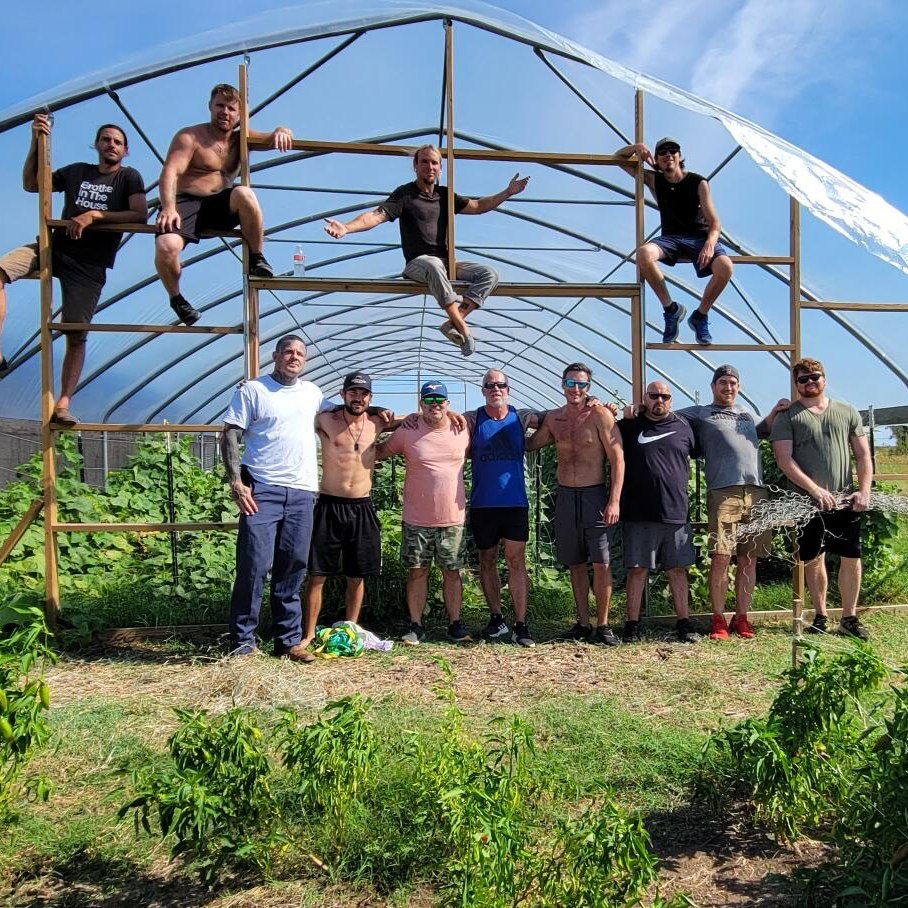
Join Service Work Saturdays to give back

Holistic
Healing

Focus on your mind, body, and spirit

What Long-Term Means at Ranch House

Most rehab in America runs on a 28-day clock, a number set decades ago by insurance convention rather than by anything we know about how men actually recover. Ranch House Recovery was built deliberately on a longer one. Our long-term residential program near Austin runs in months, not weeks, with most men staying 90 days or more and many staying six months, because that is the timeline on which addiction actually loosens its grip.

The reasoning is not philosophical; it is observable. A man who has spent five, ten, or twenty years organizing his life around a substance does not reorganize it in four weeks. The first month of any residential stay is mostly stabilization: sleep returning, the body recalibrating, the fog lifting. The work that changes the trajectory of a life, the honest therapy, the rebuilt habits, the repaired relationships, the practiced reliability, begins where short programs end.

Why Longer Treatment Works

The research here is unusually consistent. The National Institute on Drug Abuse lists adequate time in treatment among its core principles of effective care and is blunt about the threshold: participation shorter than about 90 days is of limited effectiveness for many people with serious addiction, and longer engagement predicts better outcomes.

The reasons are practical. Cognitive recovery from heavy substance use unfolds over months, which means the brain doing therapy in month three is literally better equipped than the brain that arrived. Trust between a man and his counselors, and between a man and his peers, takes weeks to form and is the precondition for the conversations that matter. And recovery skills are habits, which means they are built the way all habits are built: through repetition that a single month cannot hold. Thirty days interrupts a pattern. A long-term program replaces it.

What the Months Actually Contain

A long program is not a short program repeated. Each stretch does different work, month by month.

The first month stabilizes

Structure does the heavy lifting: the schedule, the ranch responsibilities, the rhythm of waking up needed. Therapy begins, and so does the community, but the deepest gains of month one are sleep, safety, and the slow return of a clear head.

Months two and three are where treatment actually starts

Individual and group therapy deepen, structured 12-step program work gets honest, and the daily life of the ranch keeps making its non-negotiable demands regardless of mood, teaching the most transferable lesson in recovery: commitments outlast feelings.

Months four and five

Men take on real responsibility inside the community, mentoring newer residents and leading work crews. Family sessions take on the hard conversations, amends and boundaries, with clinical support in the room. Practical rebuilding begins: work plans, legal cleanup, the unglamorous wreckage.

The final phase

is a deliberate handover from external structure to internal structure. The schedule loosens by design, aftercare stops being a plan on paper, and a man leaves with a tested support web rather than a certificate, with his sponsor's number already worn from use.

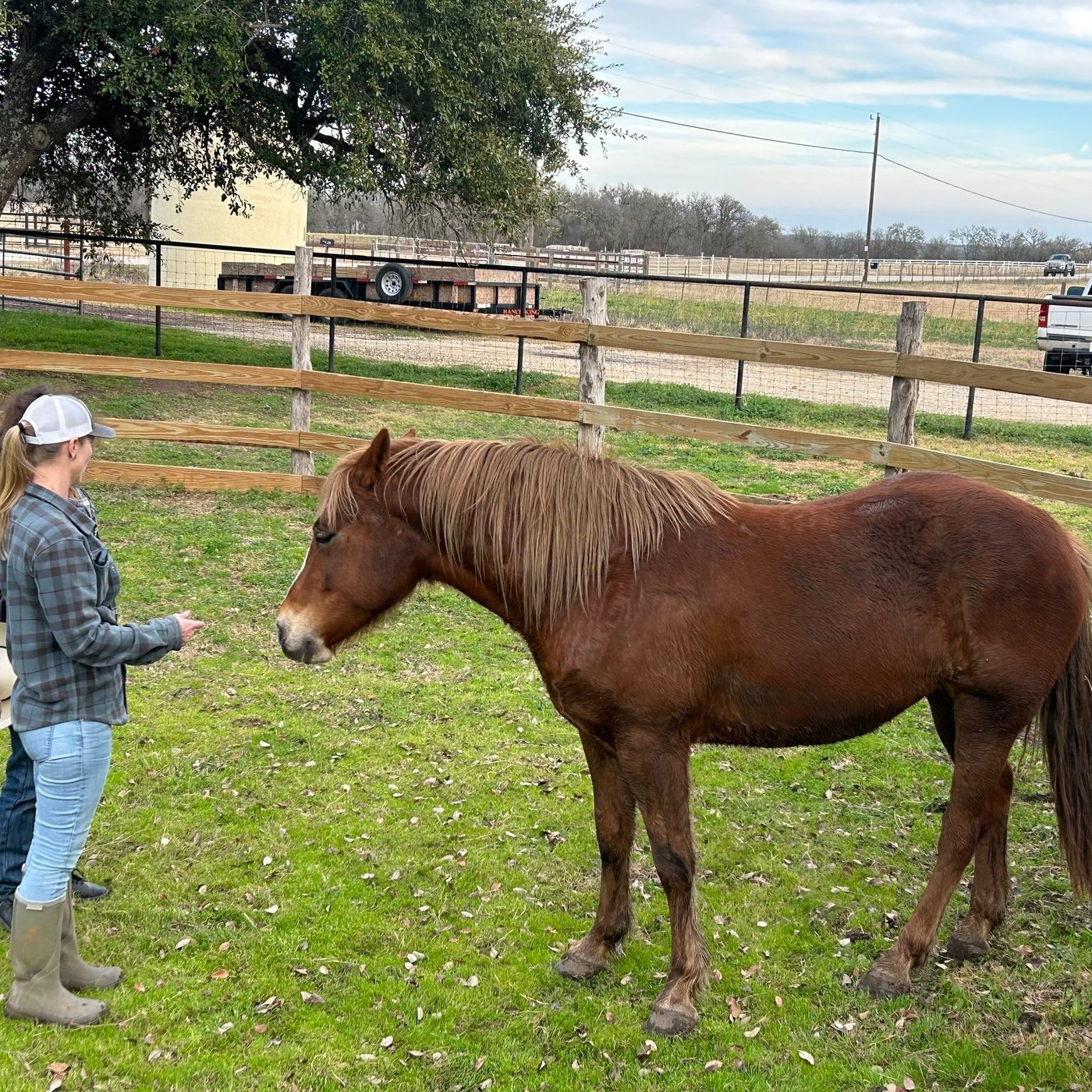
Through every phase, the clinical work and the ranch work run as one system, the approach we call Regenerative Recovery, woven through our daily programming and grounded in our philosophy that men recover by becoming reliable again, to animals, to other men, and finally to themselves.

Who Long-Term Care Fits

Long-term residential treatment is the right call when the addiction is long-standing or severe, when shorter programs have been tried and have not held, when co-occurring depression, anxiety, or trauma needs unhurried attention, or when the home environment is part of the problem. It is a serious commitment of time, and we will not pretend otherwise. The honest comparison is not six months against zero months. It is six months against another year of where things were heading.

Our Team

We’re passionate about helping you succeed.

Brandon Guinn

CEO/Founder

Jonathon Stewart

Director of ABD

Cody Cash

Executive Director

Alexandra Litke, RSPS

Administrative Director

Austin Garland

Program Director

Daniel Ximenes

Director of Operations

Seamus Ireland-Wrightd

Mentor

Scott McCormick

Mentor

SERVICE WORK SATURDAYS: Every Saturday, we get involved in our community.

Service Opportunities

Yard Clean-Up
Help local families tidy up their yards.

Support Non-Profits
Assist organizations making a difference.

Community Projects
Work with Parks and Rec on various tasks.

We Offer 30, 60 and 90-Day
Recovery Programs

30 Day Intensive

30-Day Intensive

Bouts of long-term recovery sometimes lead to a relapse. This individualized, intensive recovery regimen brings people back to their recovery lifestyle.

Call or email us. We can help your friend or loved one get the help they need to rebuild their sense of purpose and live a happy, fulfilling life.

60-Day Intensive

Our 60-day recovery program focuses not on why drugs and alcohol are the problem, but why they have become a not-so-effective solution. During our 60-day program, men focus on recreating their lives. They actively participate in the proven 12-step recovery process. They regain life skills, relationship skills, and the ability to have fun while sober.

90-Day Program

Our 90-day recovery program offers a powerful restorative experience by integrating the 12-step discipline into daily life, fostering strong interpersonal relationships and healthy mental and emotional habits. Recognizing that each person’s journey to addiction is unique, we provide personalized care tailored to individual recovery needs. 

Breaking the Stigma

By serving others, we show that those battling addiction are just like everyone else.

Everyone Makes Mistakes
Owning them and moving forward is key.

Transform Your Life
Giving back helps you grow and change for the better.

Ready to take the next step?

WE INVITE YOU TO COME BE APART OF WHAT WE’RE DOING

Frequently Asked Questions

Most men stay 90 days or longer, and many stay six months. Length is set clinically and individually, not by a package, and it is a conversation we have honestly during admissions and revisit throughout treatment.

Insurance typically authorizes residential care in increments rather than approving six months upfront, reviewing continued stays against medical necessity. Our admissions team verifies benefits before admission and maps the realistic funding picture in writing, including how insurance phases, private pay, and step-downs combine. Bring us the policy and we will give you straight numbers.

Yes, in structured ways that grow as treatment progresses, alongside scheduled family calls and family sessions. Early treatment limits outside contact by clinical design; the later months actively rebuild it. Out-of-state families can participate in sessions remotely.

The last phase exists to answer that question before it is asked: sober housing or a tested return-home plan, an active sponsor and home group, step-down care where needed, and an alumni community that keeps showing up. Discharge changes the address more than the life.